
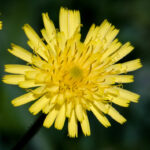
Mouse-ear Hawkweed
A traditional diuretic herb used to support fluid balance.
Mouse-ear Hawkweed (Hieracium pilosella, also called Pilosella officinarum) is a small member of the Asteraceae native to Europe and western Asia. The whole aerial plant is used in herbal preparations; its phytochemistry includes phenolic compounds, flavonoids such as luteolin and cinaroside, hydroxycoumarins, tannins, triterpenoids and vitamin C. Traditionally valued for diuretic use to relieve minor urinary complaints, the species has also attracted research interest for antioxidant and antibacterial activities, and its traditional diuretic use is recognized by the European Medicines Agency.
Available forms include dried herb powder, dry extracts and tinctures; traditional supplement doses have been reported in the range of about 500–1,200 mg per day depending on the preparation. Reported adverse effects are uncommon but clinical evidence is limited; use is generally advised against in people under 18, those who are pregnant or breastfeeding, and individuals with serious cardiac or neuropathic conditions without professional guidance. Uses and effects may vary by individual, and professional advice is recommended when considering therapeutic use.
At a Glance
Mouse-ear Hawkweed is a low-growing Asteraceae herb native to Europe and western Asia, commonly collected for its small yellow flowers and hairy grey-green leaves. Traditionally the whole aerial plant has been used in herbal preparations; key constituents include phenolic compounds, flavonoids, hydroxycoumarins, tannins, triterpenoids and vitamin C.
It is primarily noted for its traditional diuretic use and has been investigated for antioxidant and antibacterial properties, and is available as dried powders, extracts, tinctures and infusions.
| Common name |
|
|---|---|
| Scientific name | Hieracium pilosella (Pilosella officinarum) |
| Plant family | Asteraceae |
| Origin |
|
| Parts used | Whole aerial plant |
| Active compounds |
|
| Main benefits |
|
| Available forms |
|
Origin & History
Mouse-ear Hawkweed is native to the British Isles and occurs widely across Europe and western Asia. It typically grows in dry, poor soils and open, sunny habitats, forming low mats of grey-green, hairy leaves topped by small pale-yellow flowerheads; the whole aerial plant is used in traditional preparations.
Recorded use since the early Middle Ages includes treatments for influenza, brucellosis and rheumatism. Across different folk traditions it has been described as depurative, astringent and bactericidal; today its main recognized role in herbal practice is as a diuretic for minor urinary complaints, and historical uses have motivated research into antioxidant and antibacterial properties. Uses and effects may vary by individual.
Composition & Active Compounds
Mouse-ear Hawkweed is a low-growing plant with grey-green, hairy lanceolate leaves and small pale-yellow flowerheads; the whole aerial plant is typically harvested and dried for use. Its main chemical constituents include phenolic compounds, flavonoids, hydroxycoumarins, tannins, triterpenoids, caffeic and chlorogenic acids, and vitamin C, components that contribute to the herb’s antioxidant and antibacterial profiles reported in research.
The whole aerial plant is the part most commonly used in supplements.
- Phenolic compounds: broad class of plant metabolites including phenolic acids and tannins, linked to antioxidant activity
- Flavonoids (luteolin, cinaroside): polyphenolic pigments often associated with antioxidant effects
- Hydroxycoumarins (umbeliferone, skimmin): coumarin derivatives present in aerial parts, contributing to the plant’s bioactive profile
- Tannins: astringent polyphenols related to traditional antiseptic and astringent uses
- Triterpenoids (amirins, taraxerol, taraxasterol): terpenoid compounds common in Asteraceae with diverse biological roles
- Caffeic and chlorogenic acids: phenolic acids present in the herb, associated with antioxidant properties
- Vitamin C: water-soluble antioxidant found in aerial tissues
Properties & Effects
Mouse-ear Hawkweed is traditionally known for its role in supporting fluid balance and for a range of other herbal uses that have attracted scientific interest. Research and traditional use point to several properties, though evidence strength varies by effect.
Its diuretic use for relieving minor urinary complaints is the most well-documented traditional application and is recognized by the European Medicines Agency.
- Diuretic: may support increased urine production and is traditionally used for minor urinary complaints.
- Antioxidant: research suggests it may help protect cells from oxidative stress.
- Antibacterial: laboratory studies indicate it may show activity against certain bacterial strains.
- Anti-inflammatory: preliminary evidence suggests it may support reduction of inflammatory responses.
- Cardioprotective: early research points to potential supportive effects for cardiovascular health.
- Antimutagenic: some studies report possible activity that counteracts mutagenic processes in experimental systems.
- Antiproliferative: experimental data indicate potential to inhibit cell proliferation in certain models.
Dosage & How to Use
Suggested dosing is based on traditional use and available supplement preparations rather than standardized clinical schedules.
| Traditional supplement dose |
|
|---|
Safety, Side Effects & Contraindications
Caution is advised because clinical evidence for Mouse-ear Hawkweed is limited; certain groups are recommended to avoid its use without professional guidance. People under 18, those who are pregnant or breastfeeding, and individuals with serious cardiac or neuropathic conditions are specifically listed as groups to avoid this herb unless supervised by a healthcare professional.
Reported side effects are uncommon and no major adverse reactions have been widely documented, but limited clinical study means uncommon or rare effects may be under‑reported. No specific drug interactions are detailed in the available data; anyone taking prescription medicines or with chronic health issues should consult a healthcare professional before using the herb and discontinue use if adverse symptoms occur.
- Children under 18: use is not recommended as a precaution due to limited study in this age group.
- Pregnancy and breastfeeding: use is not recommended during pregnancy or lactation.
- Serious cardiac conditions: avoid use without specialist advice.
- Serious neuropathic conditions: avoid use without specialist advice.
Not recommended for people under 18, pregnant or breastfeeding women, or those with serious cardiac or neuropathic conditions; consult a healthcare professional before use.