Supplement

  • Krill

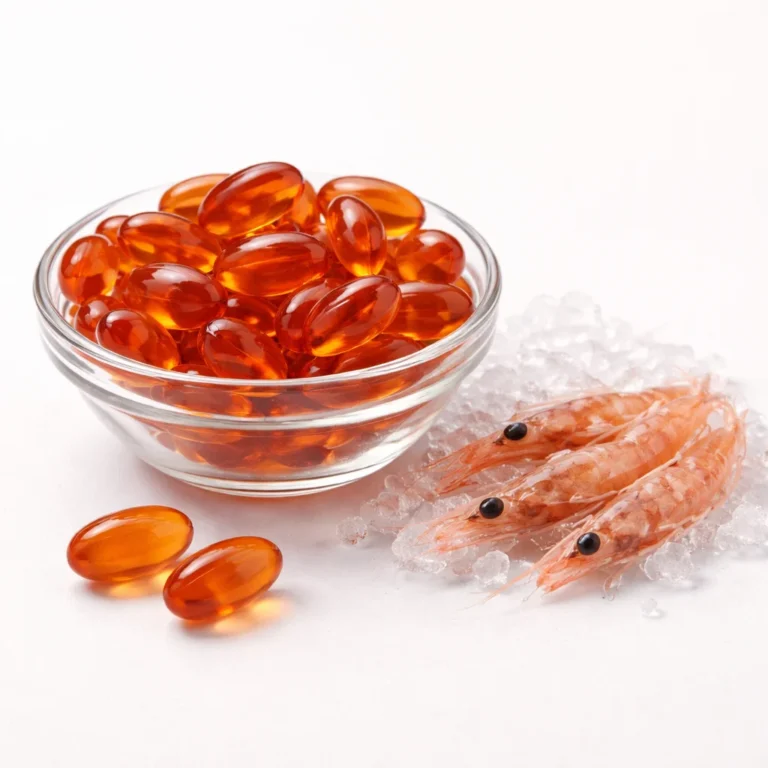
    Krill oil, derived from small marine crustaceans, is valued for its omega‑3 content and the antioxidant astaxanthin and is offered mainly as capsules. Research explores its antioxidant, anti‑inflammatory and cardiovascular effects, but responses vary and dosage should be matched to omega‑3 content.
  • Keratin

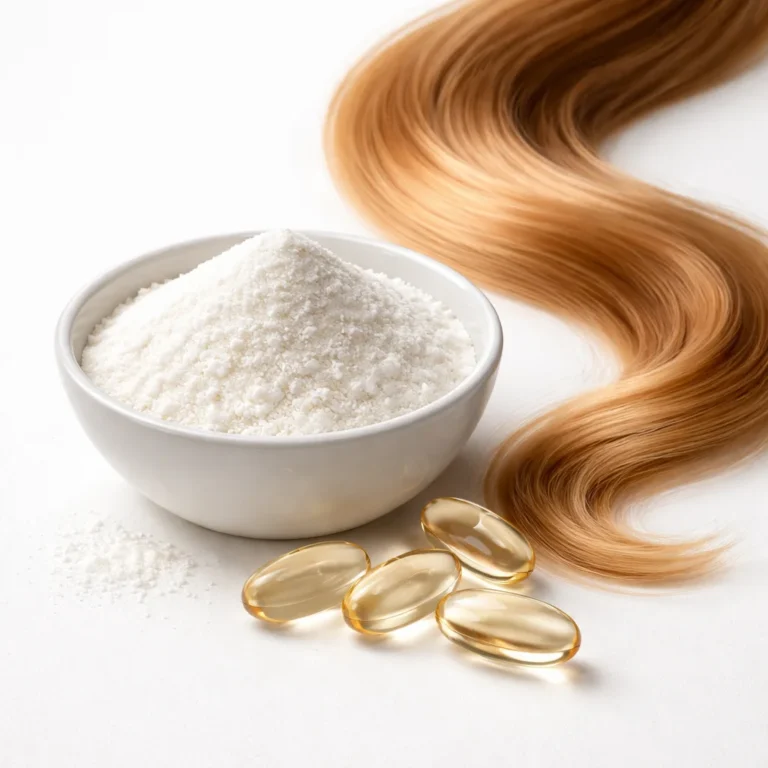
    Keratin is a structural protein central to hair, nails and skin, commonly sourced from wool and formulated for oral or topical use. Clinical reports at about 500 mg daily suggest improvements in hair strength, shine and nail hardness for some individuals. Results and tolerability vary between people.

  • Kefir

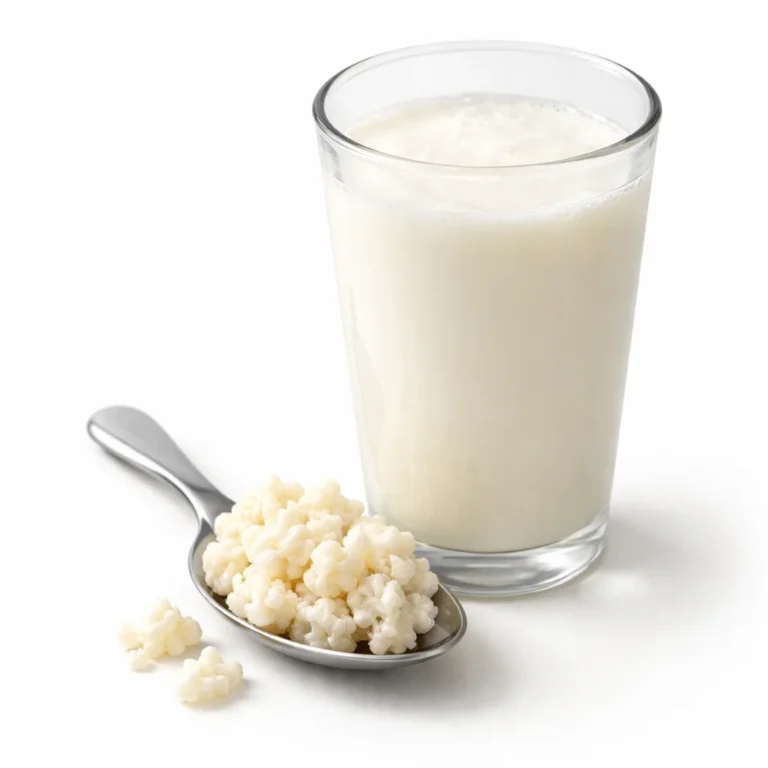
    Kefir is a traditional fermented milk beverage rich in live cultures and the polysaccharide kefiran, widely enjoyed for digestive well‑being and culinary use. It is valued for introducing probiotics into the diet and for supporting intestinal flora balance in some people.

  • Hyaluronic Acid

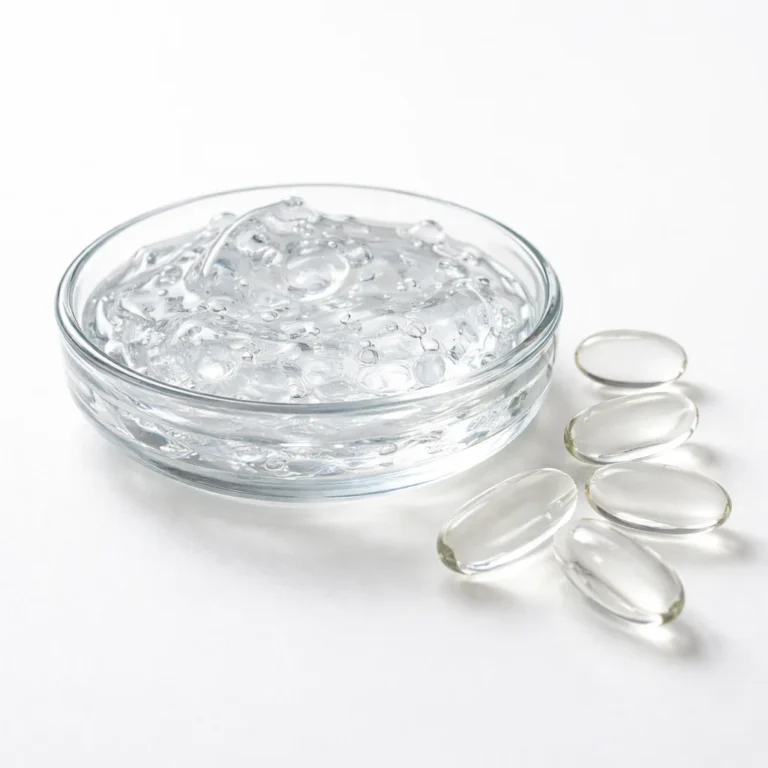
    An abundant extracellular polysaccharide, hyaluronic acid is prized for exceptional water‑binding that supports skin moisture and joint cushioning. It is produced by bacterial fermentation and supplied as injectables, topical gels and oral capsules, with common supplement doses between 120 and 240 mg per day.

  • Grapefruit Seed

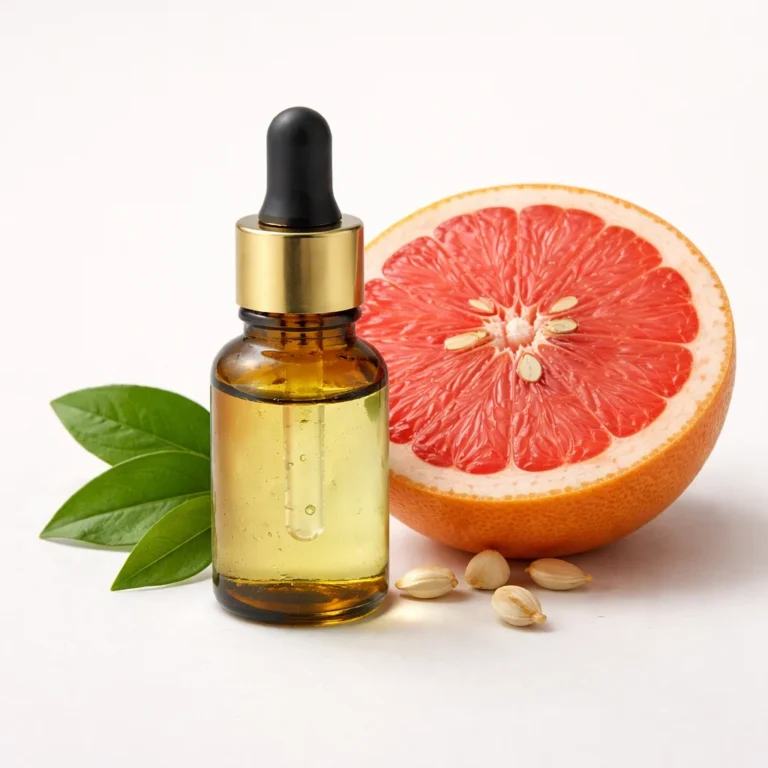
    Concentrated from grapefruit seeds, pulp and mesocarp, grapefruit seed extract is used in natural-health routines for immune support and to address microbial concerns. It contains citroflavonoids and vitamin C and is valued for reported antimicrobial and anti-inflammatory properties. Effects vary by individual; follow product guidance.

  • Glutathione

    Glutathione is a naturally occurring tripeptide found in cells and in foods such as citrus, brassica vegetables and mushrooms; it is widely referenced for antioxidant and detoxification roles. Typical adult supplemental ranges are often cited at 100–300 mg daily with a common upper limit of 600 mg.

  • Grape Skin

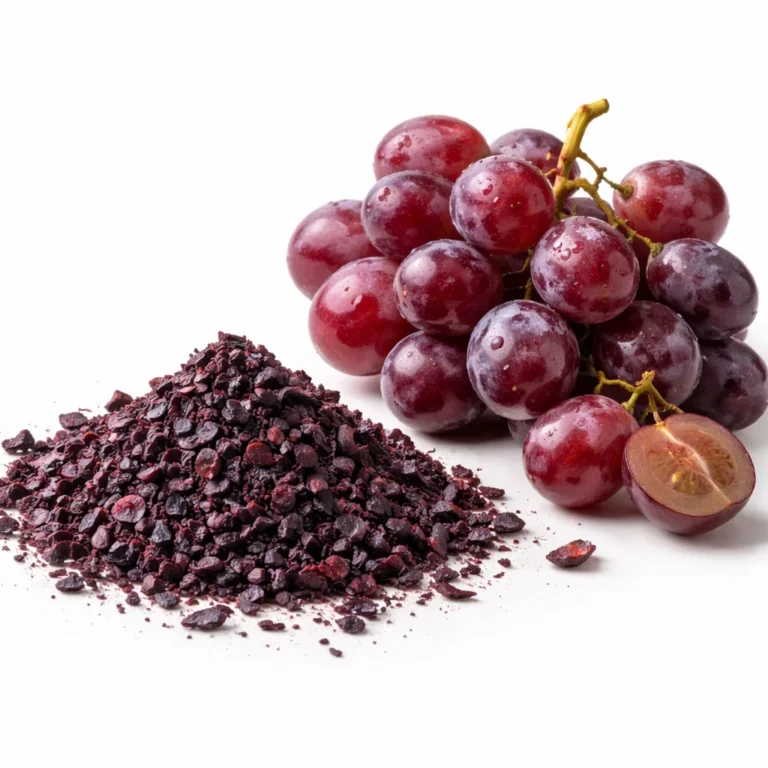
    Grape skin is the dried residue from pressing Vitis vinifera and concentrates polyphenols used in topical and supplement products for antioxidant and cosmetic applications. Its extracts are commonly formulated into creams, gels and capsules for skin-focused and circulation support uses.

  • Glucosamine

    Glucosamine supports cartilage structure and is commonly used in dietary supplements to help maintain joint comfort and mobility, often combined with chondroitin for cartilage support. Clinical studies frequently use a 1,500 mg daily dose for joint-related outcomes, but responses vary between individuals.

  • GABA

    GABA is an endogenous amino acid and the brain’s main inhibitory neurotransmitter, associated with relaxation, stress regulation and support for sleep onset. Supplemental GABA is used by some people to promote calm and help with falling asleep, though responses vary. Typical adult doses range from 250–750 mg daily.

  • Cod Liver Oil

    Cod Liver Oil is a traditional marine supplement high in vitamins A, D and E and long‑chain omega‑3s, used to support bone, immune and cardiovascular health. Concentrations vary by product, so dosing should be adjusted for age, diet and other supplements.

  • Chondroitin

    Chondroitin is a cartilage-derived glycosaminoglycan commonly used in supplements to support joint comfort, cartilage hydration, and flexibility in aging or active individuals. Research has explored its chondroprotective and anti-inflammatory effects, with many studies using a daily dose near 1200 mg over weeks to months.

  • Chitosan

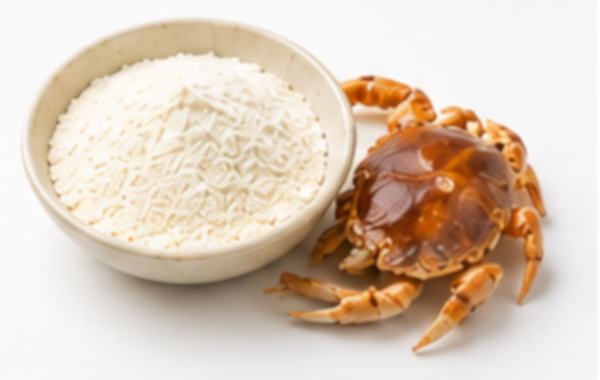
    Chitosan is a chitin-derived polysaccharide extracted from crustacean and mollusk shells and used in supplements for its fat-binding and antimicrobial research findings. Studies suggest it can bind dietary fats in the intestine and may influence cholesterol and appetite. Individual responses vary, and effects are not guaranteed.