
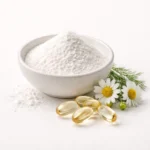
GABA
A calming neurotransmitter supplement used to support relaxation and sleep.
GABA (gamma-aminobutyric acid) is an endogenous amino acid that acts as the central nervous system’s main inhibitory neurotransmitter, helping to modulate neuronal excitability and counterbalance excitatory signals. It is involved in physiological processes related to stress regulation, anxiety modulation, pain transmission and the initiation of sleep.
As a dietary supplement, GABA is used by some people to promote relaxation and support sleep, with typical adult doses reported in the range of 250–750 mg per day. Individual responses and effects vary; possible side effects include drowsiness, fatigue, dizziness, nausea and headache, and supplementation is generally contraindicated during pregnancy and lactation.
At a Glance
GABA is an endogenous amino acid that serves as the central nervous system’s main inhibitory neurotransmitter, helping to modulate neuronal excitability and counterbalance excitatory signals.
It is involved in physiological processes related to stress and anxiety regulation, pain transmission and the initiation of sleep.
| Common name |
|
|---|---|
| Scientific name | Gamma-aminobutyric acid |
| Classification | Not applicable |
| Origin |
|
| Active compounds | Gamma-aminobutyric acid (GABA) |
| Main benefits |
|
| Available forms |
|
Origin & History
GABA is an endogenous small amino acid produced in the body through enzymatic conversion of glutamate and is also present naturally in a range of foods such as nuts, seeds, leafy greens, bananas and citrus. It appears as a crystalline molecule used in food fermentation processes and in pharmaceutical synthesis, and it is synthesized in vivo with assistance from nutrients such as vitamin B6.
GABA occurs naturally in many fermented foods and has been present in traditional diets across regions where fermentation is common. The molecule was first isolated by researchers working with animal tissue, and since then it has been a focus of research in neuroscience and food science rather than a classical herb used in traditional herbal systems.
Composition & Active Compounds
GABA appears as a small, odorless crystalline molecule with chemical formula C4H9NO2 and is reported as practically insoluble in water at room temperature; its main chemical constituent is gamma-aminobutyric acid, while biosynthetic precursors and cofactors are relevant to its formation. Gamma-aminobutyric acid (GABA) is the primary active compound found in supplements and the focus of its physiological roles.
- Gamma-aminobutyric acid (GABA): endogenous inhibitory amino acid, small crystalline molecule, chemical formula C4H9NO2
- Glutamate (glutamic acid): excitatory amino acid and metabolic precursor converted enzymatically into GABA
- Vitamin B6: enzymatic cofactor required for conversion of glutamate to GABA
Related Herbs


Properties & Effects
GABA is traditionally known for its calming role in the nervous system and its association with relaxation and sleep. Research suggests GABA may support regulation of stress and anxiety in some individuals.
- Stress and anxiety regulation: may support reduction of mild anxiety and promote a sense of calm for some people.
- Analgesic: may support relief from certain types of pain or discomfort in some cases.
- Neuronal activity modulation: may support healthy neuronal excitability and balanced nervous system activity.
- Sleep initiation: may support the onset of sleep and short-term relaxation that helps with falling asleep.
Dosage & How to Use
Typical adult supplementation ranges are summarized below; individual needs and responses vary.
| Stress and anxiety regulation |
|
|---|---|
| Analgesic |
|
| Neuronal activity modulation |
|
| Sleep initiation |
|
Safety, Side Effects & Contraindications
GABA supplementation is contraindicated for people who are pregnant or breastfeeding; these groups should avoid use. Known side effects at higher doses include somnolence, fatigue, dizziness, nausea, abdominal pain and headaches.
Certain medications, such as benzodiazepines, act on GABA receptors, so concurrent use could theoretically increase sedative effects; consult a healthcare professional before combining supplements with prescription drugs. If adverse symptoms occur, stop taking GABA and seek professional medical advice.
- Pregnancy and lactation: supplementation is contraindicated during pregnancy or breastfeeding
- High doses: may cause somnolence, fatigue, dizziness, nausea, abdominal pain and headaches
Not recommended during pregnancy or breastfeeding; consult a healthcare professional before use, especially if taking sedative medications or if there are existing health concerns.