
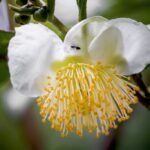
Green Tea
A traditional antioxidant-rich tea providing mild stimulation and metabolic support.
Green tea (Camellia sinensis) is a traditional beverage from the Far East prepared from young leaves and buds. Rich in catechins—especially epigallocatechin gallate (EGCG)—and containing natural caffeine, it is noted for mild stimulant effects and antioxidant activity. Leaves are consumed as brewed tea or processed into powders and extracts used in dietary supplements.
Common uses include temporary stimulation, antioxidant support and roles in weight‑management approaches owing to reported diuretic and thermogenic actions; individual responses may vary. Supplement formats and recommended amounts differ by product—typical standardized extract doses in research range roughly from 400 to 2,000 mg per day—so people sensitive to caffeine or with certain health conditions should consult a healthcare professional before use.
At a Glance
A widely consumed infusion prepared from the young leaves and buds of Camellia sinensis, processed to limit oxidation and preserve polyphenols.
It contains natural caffeine and high levels of catechins such as epigallocatechin gallate (EGCG).
| Common name |
|
|---|---|
| Scientific name | Camellia sinensis |
| Plant family | Theaceae |
| Origin | Far East |
| Parts used | Leaves |
| Active compounds |
|
| Main benefits |
|
| Available forms |
|
Origin & History
Green tea comes from the evergreen tea tree Camellia sinensis, native to the Far East. The plant favours warm, humid climates on acidic soils and is often cultivated at elevations between 1,000 and 2,000 meters; cultivation spread across Asia and major modern producers include China, India, Japan, Sri Lanka, Vietnam, Kenya and others.
Historically, green tea has been consumed as a daily beverage, incorporated into traditional medicine practices and woven into social and ceremonial life across different cultures. The Japanese tea ceremony is a notable example of green tea’s ceremonial and cultural significance. Early processing techniques—such as steaming in Japan or pan‑firing in other regions—to stop oxidation and preserve polyphenols shaped the many regional varieties of green tea seen today.
Composition & Active Compounds
Young green tea leaves are typically elongated and range from light to dark green; after harvest they are heated and dried or ground for products such as matcha. Chemically, the leaves are rich in polyphenols—especially catechins (including EGCG, ECG and epicatechin)—and also contain natural caffeine, amino acids like theanine, flavonoids, proanthocyanidins, phenolic acids, vitamins and mineral traces. These constituents shape the beverage’s flavor and are the primary targets of phytochemical research.
EGCG is the most studied catechin and a primary focus of green tea supplements.
- Catechins: class of polyphenolic compounds predominant in the leaves
- Epigallocatechin gallate (EGCG): a major catechin often quantified in extracts
- Epicatechin gallate (ECG): a galloylated catechin present in tea
- Epicatechin: non‑galloylated catechin occurring in leaves
- Caffeine: natural stimulant alkaloid found in tea leaves
- Theanine: amino acid contributing to flavor and neuroactive research interest
- Flavonoids: broader group of polyphenolic compounds related to catechins
- Proanthocyanidins: polymeric flavonoids occurring alongside other polyphenols
Related Herbs

Properties & Effects
Green tea is traditionally known as a mild stimulant beverage made from the young leaves of Camellia sinensis and used widely in daily diets and traditional medicine. It is associated with several physiological effects that have been examined in clinical and laboratory research.
Green tea is best documented for its antioxidant activity.
- Stimulant: may support temporary alertness and reduced feelings of fatigue.
- Antioxidant: research suggests it may support the body’s antioxidant defences against oxidative stress.
- Diuretic: may support increased urine output and reduction of fluid retention.
- Weight management: may support increased energy expenditure and contribute to weight‑management efforts when combined with diet and exercise.
- Metabolic support: research indicates it may be associated with favourable changes in blood lipids and glucose regulation in some studies.
- Oral health: may support dental health and help reduce bad breath.
Dosage & How to Use
Dosing depends on the extract and product formulation; typical research doses are shown below.
| Aqueous leaf extract (10% polyphenols) | 400–2,000 mg per day |
|---|
Safety, Side Effects & Contraindications
People with sensitivity to caffeine and certain health conditions are advised to limit or avoid green tea products; individual tolerance varies. Pregnant and breastfeeding people are specifically advised to limit intake of caffeinated products and to consult a healthcare professional if unsure.
Excessive consumption may cause nervousness, anxiety, restlessness, palpitations, insomnia and gastrointestinal disturbances in some individuals. Because green tea contains caffeine, it can worsen caffeine‑sensitive conditions and may affect how some treatments work; anyone taking regular medication or with chronic health issues should check with a healthcare professional before starting supplements or high‑dose extracts.
- Anxiety disorders: not recommended due to potential worsening of symptoms from caffeine.
- Insomnia: may worsen sleep disturbances; limit or avoid intake, especially later in the day.
- Cardiac problems: caution advised as stimulant effects can affect heart rate and rhythm.
- Stomach disorders: may aggravate gastrointestinal symptoms in sensitive individuals.
- Renal problems: caution advised for people with kidney conditions.
- Pregnancy and lactation: limit consumption of caffeinated products and consult a healthcare professional.
Contains caffeine; people with anxiety, insomnia, heart, stomach or kidney conditions, and pregnant or breastfeeding individuals should limit use and consult a healthcare professional before taking green tea or high-dose extracts.