
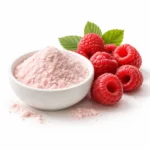
Raspberry Ketones
A raspberry-derived aroma compound marketed to support weight-management efforts.
Raspberry Ketones are a volatile phenolic compound responsible for the characteristic aroma of raspberries and widely used as a flavor and fragrance ingredient. Extracted from Rubus idaeus or produced synthetically, they are marketed as a dietary supplement for weight management due to chemical similarity with capsaicin and synephrine and their involvement in fat‑metabolism pathways.
Laboratory studies in human adipocytes reported increased fatty‑acid oxidation, reduced lipid accumulation and higher adiponectin secretion, and rodent experiments have shown reduced weight gain when raspberry ketones were combined with high‑calorie diets. Human clinical evidence remains limited, so safety and effects may vary between individuals; published guidance suggests not exceeding 200 mg per day and avoiding use in people with a known raspberry allergy.
At a Glance
A volatile phenolic compound responsible for raspberry aroma, raspberry ketone is used as a flavor and fragrance ingredient and is sold as a dietary supplement marketed for weight management.
Laboratory and animal studies report increased fatty‑acid oxidation, reduced lipid accumulation and prevention of weight gain in rodents, but human evidence is limited and effects may vary between individuals. A commonly cited maximum supplemental dose is 200 mg per day and use is not recommended for people with a known raspberry allergy.
| Common name |
|
|---|---|
| Scientific name | Rubus idaeus |
| Classification | Rosaceae |
| Origin |
|
| Parts used | Fruit |
| Active compounds | Raspberry ketone |
| Main benefits |
|
| Available forms | Capsule |
Origin & History
Rubus idaeus is believed to have originated in the region of Mount Ida and is native to temperate Europe and Asia. The raspberry shrub grows in a variety of soils, prefers semishade and is commonly found in woodland understories and plains; it is a hardy perennial that produces new canes each year.
The raspberry ketone is the volatile compound responsible for the fruit’s characteristic aroma and has been widely used as a flavoring and perfume ingredient in food and cosmetic products. The ketone occurs naturally in the fruit and may be obtained by extraction or produced synthetically; raspberries themselves have a long history of culinary use in preserves, desserts and confections across many cultures.
Composition & Active Compounds
The raspberry fruit is a red, juicy, fragrant berry; raspberry ketone is a volatile phenolic compound that contributes to this characteristic aroma and is present alongside a range of phenolic constituents. These chemical groups include major polyphenols and several minor phenolic acids and flavonoids that contribute to the fruit’s color, antioxidant properties and flavor profile. The raspberry ketone is the primary compound used in supplements and flavoring and is obtained from the fruit or produced synthetically for capsule formulations.
- Raspberry ketone: volatile phenolic aroma compound used as a flavor and fragrance ingredient; studied for effects on lipid metabolism in laboratory and animal work
- Ellagitannins: major polyphenolic compounds with antioxidant activity
- Anthocyanins: pigments responsible for red color and antioxidant properties
- Hydroxycinnamic acids: minor phenolic acids present in the fruit
- Flavonols: minor flavonoids contributing to the phytochemical profile
Related Herbs
Properties & Effects
Raspberry ketones are aromatic compounds derived from the raspberry fruit and are traditionally associated with flavoring uses and popular supplements aimed at supporting body‑weight control. Their public reputation rests on laboratory and animal research suggesting effects relevant to body fat and metabolic markers.
- Weight management: Research suggests it may support weight management and help limit weight gain in animal studies when combined with a healthy diet.
- Fat‑loss support: Research suggests it may help reduce fat accumulation in laboratory and animal studies, though human evidence is limited and individual responses vary.
- Antioxidant support: May contribute to the fruit’s overall antioxidant properties and support antioxidant intake.
- Flavoring and fragrance: Widely used as a flavoring and perfume ingredient in food and cosmetic products.
Dosage & How to Use
Observe recommended limits when taking raspberry ketone supplements.
| Supplemental use | Do not exceed 200 mg per day |
|---|
Safety, Side Effects & Contraindications
People with a known allergy to raspberry should avoid raspberry ketone supplements. Safety data in humans are limited, so individuals taking prescription medicines or with underlying health conditions should consult a healthcare professional before use.
Reported side‑effect information is sparse and formal toxicity testing is limited, so respect recommended dosing limits and discontinue use if adverse effects occur; effects and tolerability may vary between individuals.
- Allergy: Not recommended for people with a known raspberry allergy.
- Dosage caution: Toxicity testing is limited; do not exceed 200 mg per day.
May cause allergic reactions in people with raspberry allergy; human safety data are limited, so consult a healthcare professional before use—especially if taking medicines or managing health conditions.