
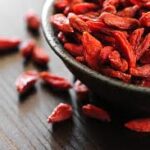
Goji Berry
A traditional Asian tonic often marketed as a nutrient-rich superfruit in dried, juice and supplement forms.
Goji Berry (Lycium barbarum) is a small red-orange fruit long used in traditional Chinese and Tibetan materia medica and marketed as a nutrient-dense “superfruit.” Commonly available as dried berries, juice, powders and capsule supplements, it is characterized by polysaccharides, carotenoids such as zeaxanthin, vitamin C and other antioxidants that contribute to its nutritional profile.
Native to China and now cultivated in many regions, goji is used both as a food ingredient and a traditional tonic. Uses and effects vary between individuals; potential considerations include allergy or intolerance, possible interactions with anticoagulant medications, and guidance from a healthcare professional for pregnant or breastfeeding people before use.
At a Glance
The fruit of Lycium barbarum, commonly called goji, is a small red-orange berry long used as a tonic and food ingredient in Chinese and Tibetan herbal practice. Its chemical profile includes polysaccharides, carotenoids such as zeaxanthin, flavonoids and vitamin C, which underpin its reputation for antioxidant and tonic properties.
| Common name |
|
|---|---|
| Scientific name | Lycium barbarum |
| Plant family | Solanaceae |
| Origin | China |
| Parts used | Berry |
| Active compounds |
|
| Main benefits |
|
| Available forms |
|
Origin & History
Goji Berry (Lycium barbarum) is native to China and traditionally grows on a branched shrub that can reach up to three metres in favourable conditions. It is adapted to temperate regions with good sun exposure and alkaline, well‑drained soils; wild and cultivated stands are historically concentrated in China, Mongolia and Tibet, and contemporary cultivation has expanded to parts of Europe and North America.
In traditional Chinese and Tibetan medicine, goji was used for many centuries as a tonic and stimulating food‑herb valued for its perceived revitalising properties. The name Gou Qi Zi, often translated as “fruit of happiness,” reflects its long cultural significance; the berry also appears in some regional Ayurvedic and folk practices and was introduced to wider Western markets in recent decades as a nutrient-rich food and supplement ingredient.
Composition & Active Compounds
Goji berries are small, oblong fruits with a red‑orange colour that develop on the branched shrub Lycium barbarum. Their chemical profile contains polysaccharides, carotenoids (notably zeaxanthin), flavonoids such as rutin, phenolic acids, a suite of vitamins and minerals, plant sterols and multiple amino acids, which together define the berry’s nutritional and bioactive composition. Polysaccharides are a principal active group in goji berries and are prominent in many supplement preparations.
- Polysaccharides: complex carbohydrate fractions highlighted in research and common in extracts
- Carotenoids (zeaxanthin, beta-cryptoxanthin, beta-carotene, neoxanthin): pigment compounds with antioxidant properties
- Flavonoids (rutin): plant-derived antioxidants
- Phenolic acids (caffeic acid, chlorogenic acid): antioxidant and phenolic constituents
- Vitamins (vitamin C, B1, B2, B6, B12, vitamin E): essential micronutrients present in varying amounts
- Minerals and trace elements (iron, zinc, selenium, calcium, phosphorus, copper): inorganic nutrients and cofactors
- Plant sterols (beta-sitosterol): bioactive sterol components
- Amino acids (including tryptophan, isoleucine): protein building blocks present in the berry
Properties & Effects
Goji berry is traditionally regarded as a tonic and revitalising food-herb in Chinese and Tibetan practice, used to support general energy and wellbeing.
Research emphasizes the berry’s antioxidant activity as the most consistently documented property.
- Antioxidant and anti-aging: research suggests it may support antioxidant defenses and be associated with anti-aging effects.
- Immune-supporting and antifatigue: traditionally used and reported to help support immune function and reduce fatigue.
- Neuroprotective: research suggests potential support for nervous system health and neuronal resilience.
- Metabolic support: some studies suggest it may help support healthy blood glucose and lipid levels.
- Tonic and invigorating: traditionally used as a general tonic to support vitality and well-being.
Dosage & How to Use
Dosage depends on product form and individual factors.
No specific dosage recommendations are available in the provided facts; follow the product label and consult a qualified healthcare professional for personalised guidance, especially if pregnant or breastfeeding or if taking anticoagulant medications.
Safety, Side Effects & Contraindications
Pregnant or breastfeeding people should consult a qualified healthcare professional before using goji berry; this precaution also applies to anyone with chronic health conditions or who takes regular medications. People taking anticoagulant or blood‑thinning drugs should seek medical advice before use because interactions have been reported or suggested. Individual responses vary, so personalised guidance is recommended.
Goji berries are generally reported as well tolerated in available sources, but some individuals may experience allergy or intolerance. If unexpected adverse effects occur, discontinue use and consult a healthcare professional; consider product quality, dose and concurrent therapies when assessing safety.
- Pregnancy and breastfeeding: seek medical advice before use.
- Anticoagulant therapy: may interact with blood‑thinning medications; consult a healthcare professional before use.
- Allergy or intolerance: some people may have allergic reactions or intolerance; avoid if allergy is known.
Consult a healthcare professional before using goji berry, especially if pregnant or breastfeeding, allergic, or taking anticoagulant medications.