
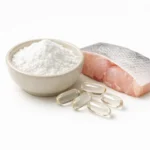
Taurine
Supports physical performance and perceived vitality.
Taurine is an amino acid found in high concentrations in the brain, skeletal muscle and retina. It plays roles in nervous system maturation and is commonly noted for its inclusion in energy drinks; as a dietary supplement it is frequently associated with effects on tone, vitality and physical performance.
Physiological functions attributed to taurine include stabilization of cell membranes in electrically active tissues (such as brain and heart) and facilitation of lipid absorption in the intestine. Research has explored potential benefits for exercise performance, blood pressure regulation and metabolic health, but evidence is preliminary and variable. Supplementation studied in trials is generally in the range of 1 to 3 grams per day; individual responses differ and people with medical conditions or those who are pregnant or breastfeeding should consult a healthcare professional before use.
At a Glance
A non-protein amino acid present in high concentrations in animal tissues, taurine is involved in several metabolic processes in electrically active organs such as the brain and heart.
It contributes to nervous system maturation, membrane stabilization and intestinal lipid absorption.
| Common name | Taurine |
|---|---|
| Scientific name | 2-aminoethanesulfonic acid |
| Origin |
|
| Active compounds | Taurine (2-aminoethanesulfonic acid) |
| Main benefits |
|
| Available forms |
|
Origin & History
Taurine is abundant in animal tissues and occurs in smaller amounts in some plants, fungi and bacteria. It can be produced endogenously from other amino acids and is obtained from dietary sources such as algae, oysters, meat and dairy; high concentrations are found in the brain, retina, skeletal muscle and heart.
It was first isolated from ox bile and named after the Latin word for bull. Since its discovery in the early nineteenth century, researchers classified it as a non-protein amino acid and investigated its biological roles. In more recent times it became commonly used as an ingredient in formulated products such as energy drinks and dietary supplements, which stimulated further scientific interest.
Composition & Active Compounds
Taurine typically appears as a white crystalline powder and is chemically identified as 2-aminoethanesulfonic acid. It is a free (non-protein) amino acid present at high concentrations in animal tissues and is the principal compound responsible for the biological activities attributed to taurine preparations.
Taurine (2-aminoethanesulfonic acid) is the primary active compound used in supplements.
- Taurine (2-aminoethanesulfonic acid): non-protein amino acid involved in nervous system maturation, membrane stabilization in electrically active tissues and intestinal lipid absorption



Properties & Effects
Taurine is commonly known as a non-protein amino acid present in high concentrations in animal tissues and used in supplements and formulated products for its reported effects on vitality and physical function.
Research suggests taurine may support physical performance, including improvements in strength and reductions in exercise-related muscle damage.
- Nervous system maturation: may support healthy development and function of the nervous system.
- Membrane stabilization: may support stability of cell membranes in electrically active tissues such as the brain and heart.
- Lipid absorption: may support intestinal absorption of dietary fats.
- Physical performance: research suggests it may support exercise capacity, strength and recovery.
- Energy and vitality: may support perceived energy and general sense of vitality.
- Blood pressure: some studies suggest it may help lower blood pressure, though effects and optimal dosing vary.
- Metabolic health: preliminary research suggests anti-inflammatory and antioxidant actions that could benefit metabolic issues related to obesity.
- Vision and retinal support: found in high concentrations in the retina and may support visual tissues.
Dosage & How to Use
Typical supplementation doses reported in studies fall within a limited daily range.
| Supplementation | 1 to 3 grams per day |
|---|
Safety, Side Effects & Contraindications
People considering taurine supplements should consult a healthcare professional, especially if they have existing health conditions or take medications; individual responses vary and safety depends on dose and context. Reported side effects are not extensively documented in the provided facts, but excess intake could affect the cardiovascular system and taurine can lower blood pressure, so caution is advised.
Use with stimulants or other active substances may alter effects, and observed responses in research have been variable; anyone who is pregnant, breastfeeding or has a serious medical condition should seek personalised medical advice before using taurine. Healthcare supervision is recommended for dose selection and monitoring.
- Children: not recommended without medical supervision.
- Pregnancy and breastfeeding: advise medical consultation before use.
- Low blood pressure: may lower blood pressure and could be unsuitable for people with hypotension.
- Circulatory problems: caution advised for those with circulatory disorders.
- Epilepsy: use may be inadvisable for people with seizure disorders.
- Thyroid disorders: consult a clinician if thyroid problems are present.
- Heart failure: people with heart failure should seek specialist advice before use.
Consult a healthcare professional before using taurine, especially if pregnant, breastfeeding, a child, or if you have low blood pressure, circulatory disorders, epilepsy, thyroid disease or heart failure.