
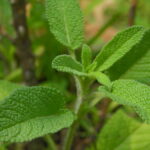
Sage
Aromatic tonic and antioxidant traditionally used to support vitality and relaxation.
Sage (Salvia spp.), notably Salvia officinalis and Salvia sclarea, is an aromatic shrub native to the Mediterranean whose leaves and flowers have long been used in herbal traditions. Rich in flavonoids, tannins and essential oils, sage is associated with tonic, antioxidant and anti-infectious properties and has been investigated for potential anxiolytic and relaxing effects; species and preparations differ and results may vary between individuals.
Common preparations include infusions, dry extracts, tinctures, capsules and essential oils, and sage is often applied for menstrual and menopausal complaints, nervous fatigue and other transient conditions. Safety considerations include avoiding internal use during pregnancy and breastfeeding and in children, respecting recommended dosages, and using essential oils diluted because compounds such as thujone can be toxic at high doses; consult a healthcare professional when needed, as uses and effects may vary by individual.
At a Glance
A woody aromatic herb from the Mediterranean, sage has a long history of use for its aromatic leaves and flowers in traditional herbal medicine and culinary applications.
It contains flavonoids, tannins and essential oils and is associated with tonic, antioxidant and anti-infectious properties.
| Common name |
|
|---|---|
| Scientific name |
|
| Plant family | Lamiaceae |
| Origin | Mediterranean basin |
| Parts used |
|
| Active compounds |
|
| Main benefits |
|
| Available forms |
|
Origin & History
Sage originates from the Mediterranean basin and includes multiple Salvia species that thrive in sunny, well‑drained habitats; plants range from low subshrubs to robust erect herbs and are grown both wild and in cultivation. Historically, leaves and flowers were gathered for culinary, ritual and medicinal purposes across European and Mediterranean cultures, with different species prized for specific aromas and uses.
Its Latin name salvia, meaning the one who saves, reflects a long-standing reputation in antiquity as a plant associated with longevity and protective uses. Over the centuries sage has been incorporated into folk traditions for energy, vitality and reproductive matters, and species such as Salvia officinalis, Salvia sclarea and Salvia lavandulifolia have prominent roles in herbal practice; harvesting typically focuses on leaves and flowers.
Composition & Active Compounds
Sage is an aromatic subshrub with grey‑green, oval leaves and spikes of blue‑purple flowers; the leaves and flowers are the parts most commonly harvested. Chemically the plant is rich in essential oils, tannins and flavonoids and also contains diterpenes and triterpenes, a profile that underpins its antioxidant, anti‑infectious and relaxing properties described in the literature.
The leaves are the primary part used in supplements and are especially valued for their flavonoids, tannins and essential oils.
- Flavonoids: antioxidant polyphenols including luteolin
- Luteolin: a specific flavonoid found in sage
- Tannins: polyphenolic compounds, include rosmarinic acid
- Rosmarinic acid: a phenolic acid with antioxidant activity
- Carnosic acid: a diterpenoid present in sage
- Oleanolic acid: a triterpenoid found in leaves
- Ursolic acid: a triterpenoid present in sage
- Essential oils: complex volatile fraction containing camphor, limonene, diterpenols and sesquiterpenes
Properties & Effects
Sage is traditionally regarded as a multifaceted herb used to support general vitality, calm the nervous system and address minor infectious concerns. Uses and individual responses can vary, and historical and research reports emphasize several distinct properties.
Antioxidant activity is among the most consistently reported effects attributed to sage.
- Tonic effect: traditionally used to support general energy and bodily tone.
- Antioxidant: may support the body’s antioxidant defenses.
- Anti-infectious: research suggests it may be useful for addressing minor microbial or antiseptic needs.
- Relaxing / Anxiolytic: may support relaxation and reduction of transient nervous tension or anxiety.
Dosage & How to Use
Follow preparation-specific guidance and product instructions when using sage preparations.
| Internal use |
|
|---|---|
| External use |
|
Safety, Side Effects & Contraindications
Sage should be used with caution: it is explicitly contraindicated for pregnant and breastfeeding women and for children, and recommended dosages should be respected. Known adverse effects include potential toxicity from thujone at high internal doses and the possibility of allergic or skin reactions when topical preparations are used; essential oils require dilution and must not contact eyes or mucous membranes.
Because sage has reported actions on the nervous and endocrine systems, extra caution is advised when taking medications or managing conditions that affect those systems; consult a healthcare professional before use. Start with low amounts to check tolerance, follow product instructions, and seek medical advice if uncertain or if unusual symptoms occur.
- Pregnancy and breastfeeding: use is contraindicated for pregnant and lactating women.
- Children: not recommended for use in children.
- Thujone toxicity: compounds such as thujone can be toxic in high internal doses; respect recommended dosages.
- Essential oil precautions: always dilute in a vegetable oil, avoid eyes and mucous membranes, and begin with low doses to reduce allergy risk.
Avoid use during pregnancy and breastfeeding and in children; high internal doses may pose thujone-related risks. Consult a healthcare professional before use, especially if taking medications or managing health conditions.