
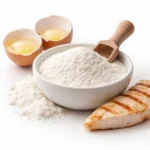
Amino Acids
Protein building blocks that support energy, muscle maintenance and immune proteins.
Amino acids are small organic molecules that link together to form proteins, the macronutrients required for tissue repair, enzyme and hormone synthesis, and daily physiological function. Widely used in sports nutrition and plant-based diets, specific compounds such as branched-chain amino acids (BCAAs — leucine, isoleucine, valine) and the non-proteinogenic taurine are noted for roles in energy metabolism and performance; concentrated nutrient sources like spirulina also supply a complete profile of essential amino acids.
Available as dietary components or as supplements in powders, capsules and tablets, amino acid products are commonly used to support energy, muscle maintenance and immune-related proteins, though individual responses vary. Recommended intakes depend on age, health and the particular amino acid; supplements are generally not advised for children or pregnant and breastfeeding people without professional guidance.
At a Glance
Organic molecules known as amino acids assemble into proteins and serve as building blocks for tissues, enzymes and various physiological compounds.
Amino acids include essential proteinogenic forms and non-proteinogenic compounds such as taurine, and are provided by dietary proteins or concentrated supplements like spirulina.
| Common name | Amino Acids |
|---|---|
| Origin |
|
| Active compounds |
|
| Main benefits |
|
| Available forms |
|
Origin & History
Amino acids are organic molecules found throughout the biosphere and form the building blocks of proteins in all plants, animals and microorganisms. They occur naturally in protein-rich foods such as meat, fish, eggs, legumes, seeds and algae, and can also be concentrated into supplements like spirulina or provided as isolated compounds including glutamine, arginine and taurine.
Across cultures, reliance on protein-rich foods has been the primary way populations obtained essential amino acids for growth, repair and daily function. Scientific identification and characterization of individual amino acids progressed during the 19th and 20th centuries, and more recently specific amino acids and combinations (for example branched-chain amino acids) have been isolated and formulated for targeted nutritional uses.
Composition & Active Compounds
Amino acids are small organic molecules that, when isolated, appear as colorless crystalline solids and biochemically consist of a central carbon bonded to an amine group and a carboxyl group, with a variable side chain that determines each amino acid’s properties. These basic constituents join into linear chains to form proteins; key active compounds include the essential proteinogenic amino acids and notable non-proteinogenic derivatives that influence energy, muscle and metabolic functions.
Essential amino acids are particularly important because the body cannot synthesize them and they must be obtained from the diet or supplements.
- Leucine: branched-chain amino acid involved in muscle protein synthesis
- Isoleucine: branched-chain amino acid supporting energy metabolism
- Valine: branched-chain amino acid contributing to muscle metabolism
- Taurine: non-proteinogenic amino acid linked to energy-related formulations
- Glutamine: amino acid involved in nitrogen transport and recovery
- Arginine: amino acid precursor for nitric oxide and involved in circulation
- Lysine: essential amino acid required for protein assembly
- Methionine: essential sulfur-containing amino acid
- Phenylalanine: essential aromatic amino acid
- Threonine: essential amino acid important for protein balance
- Tryptophan: essential amino acid and precursor for several bioactive compounds
- Carnitine: amino-acid–derived compound noted as a metabolic derivative



Properties & Effects
Amino acids are traditionally known as the basic units of proteins and are commonly used to support physical performance, tissue maintenance and general physiological functions. Their supplementation is often considered in contexts such as sports nutrition, aging and diets that may lack complete protein sources.
Research suggests amino acids are particularly notable for supporting muscle mass and strength in settings like exercise and age-related muscle loss.
- Energy and vitality: May support energy levels and endurance during physical activity or daily demands.
- Muscle mass and strength: May support maintenance or increases in muscle mass and strength, especially alongside exercise.
- Immune support: May support immune system function by contributing to protein components involved in defense.
- Skin and hair health: May support daily renewal processes of skin, hair and nails.
- Bone and joint support: May be of interest for maintaining bone matrix and supporting joint-related tissues.
Dosage & How to Use
Dosage guidance for amino acids is typically based on overall protein intake recommendations rather than fixed doses for each amino acid.
| Recommended protein intake | 0.83 g/kg/day protein for healthy adults (ANC) |
|---|---|
| Older adults | ANC slightly higher than 0.83 g/kg/day |
| Amino acid supplements | No specific dosing recommendations for individual amino acids, consult a healthcare professional |
Safety, Side Effects & Contraindications
Amino acid supplements are not universally appropriate and should be used with caution; they are generally not recommended for children or for people who are pregnant or breastfeeding. Individual amino acids can have different safety profiles, so additional contraindications may apply depending on the specific compound and the user’s health status.
Side effects and interactions vary by amino acid, dose and product formulation, and are not detailed in the provided information; therefore consultation with a healthcare professional is advised before starting supplementation, especially for those taking medications or with underlying health conditions.
- Children: Use of amino acid supplements is not recommended for children.
- Pregnancy and breastfeeding: Amino acid supplements are not recommended during pregnancy or breastfeeding.
Not recommended for children or during pregnancy and breastfeeding; consult a healthcare professional before use, especially if you have health conditions or take medications.