
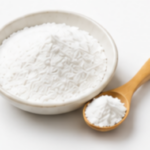
L-Carnitine
Supports energy metabolism and exercise recovery.
L-Carnitine is the biologically active form of carnitine involved in transporting long‑chain fatty acids into mitochondria for oxidation and cellular energy production. Naturally synthesized in the liver and kidneys and obtained from animal foods, L‑carnitine is presented in supplements as powders, liquids, capsules or tablets and has been widely studied for potential roles in exercise performance, post‑exercise recovery and weight management.
Reported uses and effects vary by individual and study context; some research suggests benefits for physical performance, recovery and reductions in body mass index, but results are not uniform. Typical supplemental doses reported in research range from about 1 to 3 g per day. Contraindications generally include use without medical advice in children, pregnant or breastfeeding people and individuals with epilepsy; uncommon side effects can include abdominal pain, nausea, vomiting and diarrhea. Seek personalized guidance from a qualified health professional before starting supplementation.
At a Glance
A small, water-soluble molecule, L-Carnitine facilitates mitochondrial transport of long‑chain fatty acids for oxidation and cellular energy production. It occurs naturally in the body and in animal foods and is available as supplements in powders, liquids, capsules and tablets. Reported uses include support for exercise performance, recovery and weight management, but effects vary between individuals and depend on dose and context.
| Common name |
|
|---|---|
| Scientific name | 3-hydroxy-4-trimethylammonio-butanoate |
| Origin |
|
| Active compounds | L-carnitine |
| Main benefits |
|
| Available forms |
|
Origin & History
L-Carnitine takes its name from the Latin carnis, meaning meat, reflecting its identification in animal tissues and its abundance in muscle. The compound occurs naturally in the body—synthesized primarily in the liver and kidneys—and is supplied through animal-based foods; chemically it exists as the biologically active L‑isomer distinct from an inactive D‑form.
Research into L‑carnitine’s role in fatty acid transport and energy metabolism led to interest in dietary supplementation across athletic and clinical contexts. Publicity linking carnitine supplements with sporting success helped popularize their use among athletes and the wider public. Over time it moved from early scientific curiosity to a commonly available supplement in various formats, while cultural attitudes toward its use and perceived benefits have continued to vary.
Composition & Active Compounds
Pure L‑carnitine is typically a white crystalline powder; chemically it is 3‑hydroxy‑4‑trimethylammonio‑butanoate and exists as stereoisomers with differing biological activity. L‑carnitine is the biologically active isomer used in supplements and in the body for fatty acid transport into mitochondria.
- L-carnitine: Biologically active isomer involved in long‑chain fatty acid transport and cellular energy metabolism
- D-carnitine: Inactive stereoisomer not associated with the biological effects of L‑carnitine
Related Herbs

Properties & Effects
L-Carnitine is traditionally known for its associations with energy metabolism and common use in contexts of exercise and weight management. It is often used in research and supplementation aimed at supporting performance, recovery and metabolic health.
Among the most consistently reported effects in studies are support for energy production and improvements in exercise performance.
- Energy production: may support cellular energy availability and overall energy levels.
- Physical performance: research suggests it may support exercise capacity and reduce exercise-related muscle stress or discomfort.
- Recovery: may support faster or easier recovery after physical exertion.
- Weight management: may support weight management and has been associated with modest reductions in body mass index in some studies.
- Antioxidant activity: may exhibit antioxidant properties that could contribute to cellular protection.
- Organ support: may support the function of organs such as the heart, liver, muscles and brain.
- Reproductive support: research indicates it may play a role in sperm maturation and aspects of male fertility.
Dosage & How to Use
General dosing reported in research is variable and individualized; typical supplemental amounts fall within a common range.
| Physical performance | 1 to 3 g per day |
|---|---|
| Recovery | 1 to 3 g per day |
| Weight loss | 1 to 3 g per day |
Safety, Side Effects & Contraindications
L‑Carnitine supplements are generally considered safe for many adults when used at common supplemental doses, but certain groups should avoid use without medical supervision. Use without medical advice is specifically contraindicated for children, pregnant and breastfeeding people, and individuals with epilepsy; people with chronic conditions or who take regular medications should consult a health professional before starting supplementation because individual risks and potential interactions can vary.
Reported adverse effects are uncommon and typically mild; documented side effects include abdominal pain, nausea, vomiting and diarrhea. If persistent or severe symptoms occur, discontinue use and seek medical advice; a clinician can advise on safety relative to medications, pre‑existing conditions and personal risk factors.
- Children: Use without medical advice is contraindicated.
- Pregnant and breastfeeding people: Use without medical advice is contraindicated.
- Individuals with epilepsy: Use without medical advice is contraindicated.
Avoid use without medical advice in children, pregnant or breastfeeding people, and individuals with epilepsy; consult a healthcare professional before starting L‑carnitine to discuss safety and potential interactions.