Energy & Vitality

  • Raspberry Ketones

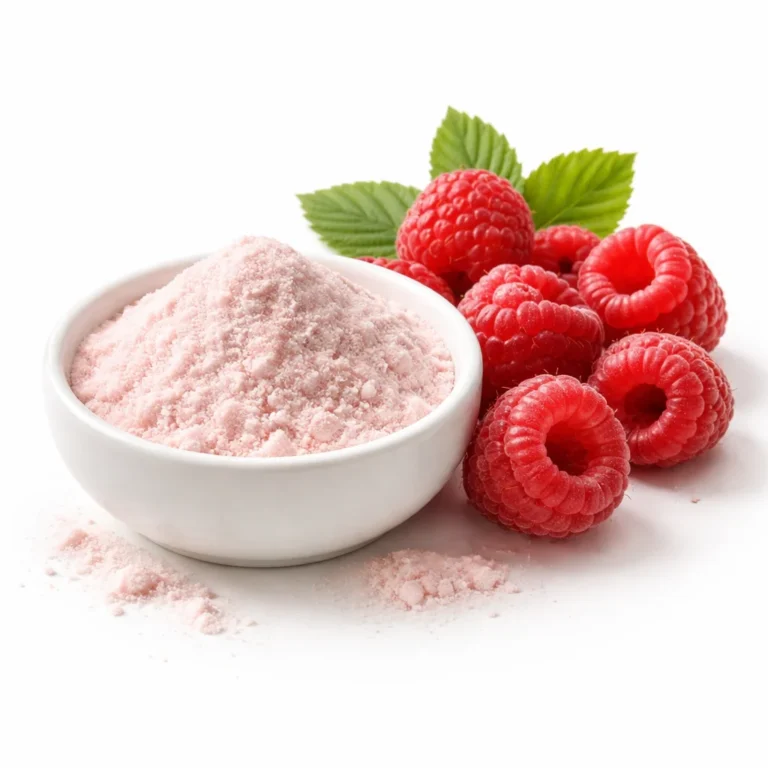
    Raspberry ketone is a raspberry-derived aroma compound sold as a weight-management supplement, backed mainly by laboratory and animal studies. Human evidence is limited and effects vary between individuals. Use capsule forms and respect the common 200 mg/day guidance while avoiding use if allergic.
  • Phosphorus

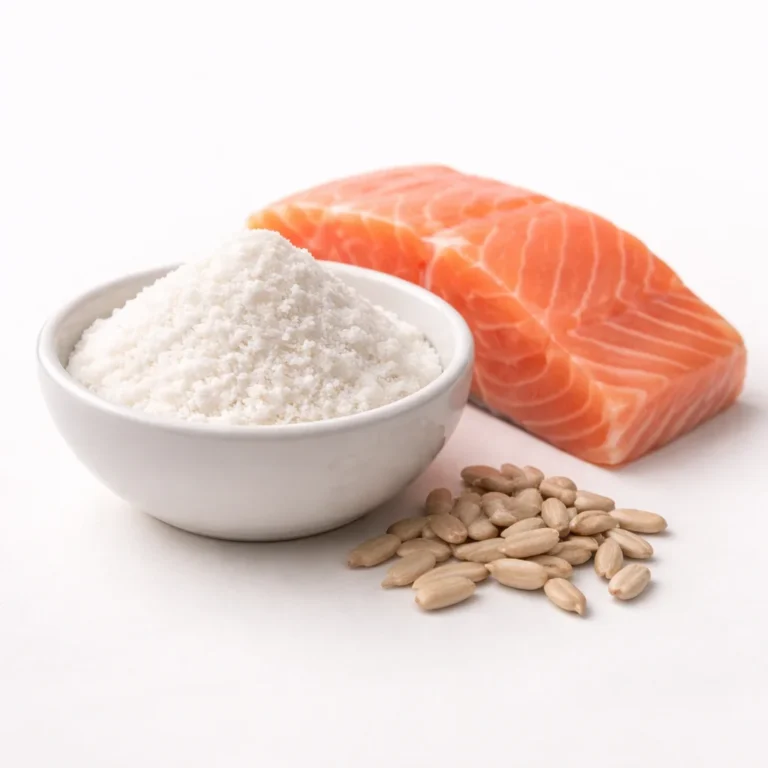
    Phosphorus is a ubiquitous mineral present as phosphate in foods and the body, essential for bone and tooth structure and for cellular energy processes. It supports mineralization of bones and contributes to normal energy metabolism. Intake varies and requires caution in kidney disease.

  • Nettle

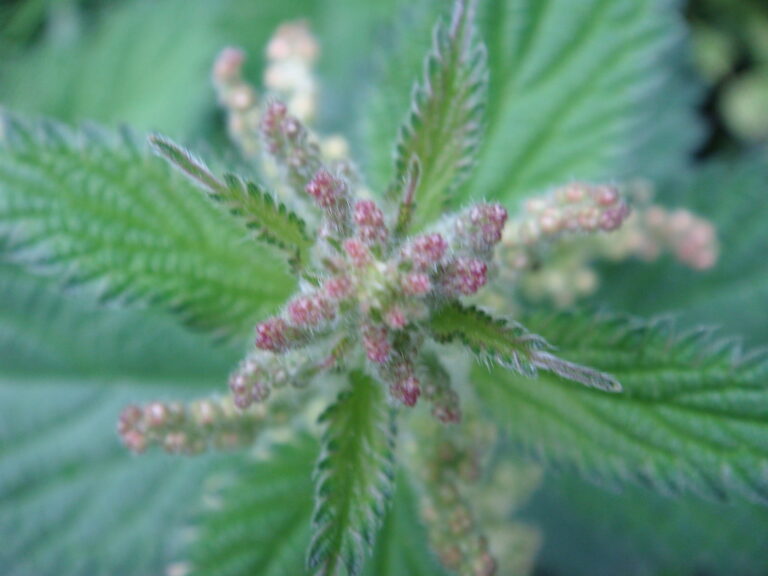
    Nettle is a nutrient-rich herb used for centuries for its remineralising, diuretic and depurative qualities. Leaves and roots supply minerals, vitamins and flavonoids in tinctures, infusions and powders. Effects vary by individual, and it may support general vitality when taken appropriately; consult a healthcare professional for personalised advice.

  • Muira Puama

    An Amazonian shrub used traditionally as a restorative tonic, muira puama’s bark and root are employed in tinctures and extracts for antifatigue and aphrodisiac uses, and is used globally in small doses in various formulations, often appearing in modern supplements. Limited clinical studies suggest possible benefits for sexual function, but individual responses vary.

  • Magnesium

    An essential mineral involved in over 300 biochemical reactions, magnesium supports energy metabolism, nerve and muscle function and contributes to bone and dental health. Supplemental magnesium is available in several salt forms and may help reduce fatigue while individual needs and safety considerations vary.

  • Maca

    Maca is a high‑altitude Peruvian root traditionally used as a nutritive staple and vigor‑promoting remedy, commonly consumed dried or as powder and capsules. Research has examined effects on libido, sperm parameters and menopausal symptoms, but individual responses vary and evidence is mixed.

  • L-Citrulline

    L-Citrulline is a naturally occurring amino acid found in watermelon and produced in the small intestine that supports muscle metabolism, vascular function, and brain metabolic processes when used as a supplement. Typical supplemental doses range from 3 to 5 grams taken orally, often before exercise.

  • L-Lysine

    L‑lysine is an essential amino acid present in protein-rich foods and used in supplements to support muscle recovery and collagen formation. Research suggests it may help with muscle repair and reduce recurrence of herpes simplex in some people. Individual responses vary; consult a clinician for guidance.

  • L-Carnitine

    L-Carnitine supports mitochondrial fatty acid transport and is commonly used in sports and weight‑management supplements. Research suggests it may support exercise performance, recovery, and modest reductions in body mass index in some studies. Individual responses vary; consult a professional for personalized advice.

  • Kola Nut

    An African seed long chewed to relieve fatigue and enhance alertness, kola nut is now supplied as powdered extract in capsules and tablets. Its dried seed contains caffeine alongside tannins and polyphenols and is noted for stimulant and antioxidant activity. Effects and tolerance vary by individual.

  • Iron

    Essential for oxygen transport and cellular function, iron supports hemoglobin formation and normal energy metabolism. Supplementation is used when intake or stores are insufficient, but effects vary by individual and excess can be harmful. Common side effects include gastrointestinal upset; consult healthcare guidance.

  • Green Tea

    Green tea is a traditional infusion made from Camellia sinensis leaves, rich in catechins and natural caffeine. It is valued for mild stimulation and antioxidant support, with common use in dietary supplements and weight‑management approaches. Individual responses vary and people sensitive to caffeine should take care.