
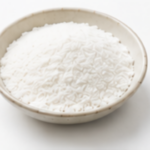
L-Lysine
An essential amino acid that supports muscle recovery and collagen formation.
L-Lysine is an essential amino acid required from the diet that supports protein synthesis, contributes to collagen formation and is involved in muscle maintenance and tone. It is found naturally in meat, fish, eggs, dairy and legumes and is produced commercially by bacterial fermentation; oral supplements are available as tablets or capsules.
Research has investigated L‑lysine for roles such as supporting recovery after exercise and reducing recurrence and severity of herpes simplex in some studies, but effects vary between individuals. Typical supplemental approaches described in the literature range from about 500 mg per day to 1 g taken multiple times daily; people with kidney disease, gallstones or high cholesterol should seek medical advice before use, and any unexpected side effects warrant stopping supplementation and consulting a healthcare professional.
At a Glance
An essential amino acid that cannot be produced by the body, L‑lysine must be obtained from diet or supplements and is incorporated into proteins across tissues. It contributes to protein synthesis, supports collagen formation and is involved in muscle maintenance and recovery. It occurs naturally in meat, fish, eggs, dairy and legumes and is also produced commercially by bacterial fermentation for supplement use.
| Common name |
|
|---|---|
| Scientific name | α-amino-ε-aminocaproic acid |
| Origin |
|
| Active compounds |
|
| Main benefits |
|
| Available forms |
|
Origin & History
L‑lysine is an essential amino acid found naturally in proteins of animal and plant foods such as meat, fish, eggs, dairy and legumes. It was first identified during protein hydrolysis studies that isolated the amino acid from cheese casein by chemists Drechsel and Albrecht Kossel and is present biologically in the L‑form used for protein assembly.
Commercial production later scaled up to supply the livestock industry, where lysine was used to support animal growth and muscle development. Subsequently, fermentation-based manufacturing made lysine widely available for research and supplementation, and it has featured in biochemical investigations including early DNA structural studies where its placement in models was revised as knowledge progressed.
Composition & Active Compounds
L‑lysine is a white to transparent crystalline amino acid, soluble in water and essentially odorless; its molecular formula is C6H14N2O2 and the biologically active form used in proteins and supplements is the L‑isomer. The primary active constituent is the amino acid L‑lysine itself, with related compounds such as carnitine and arginine noted for their metabolic connections and roles in energy processes and protein interactions. L‑lysine is the principal compound supplied in supplements and is responsible for the described nutritional functions.
- L-Lysine: essential amino acid, component of proteins and collagen
- C6H14N2O2: molecular formula of L‑lysine
- Carnitine: compound derived from lysine involved in fatty acid transport and cellular energy
- Arginine: another amino acid referenced in relation to viral replication dynamics
Related Herbs

Properties & Effects
L‑lysine is traditionally recognized as an essential amino acid important for protein formation and for supporting musculoskeletal and connective tissue health. Research supports L‑lysine’s role in supporting muscle repair and recovery after intense exercise.
- Muscle strengthening: may support repair, maintenance and recovery of muscle tissue after intense exercise.
- Recovery: may support recovery from physical exertion and muscle fatigue.
- Muscle tone: may support the maintenance of normal muscle tone and function.
- Collagen synthesis: may support collagen formation and connective tissue integrity.
- Antiviral: research suggests it may reduce occurrence, severity and healing time of recurrent herpes simplex infections in some people.
Dosage & How to Use
Reported intake and supplement ranges include dietary recommendations and study doses.
| Dietary intake | 31 mg/kg/day |
|---|---|
| Supplementation | 500 mg per day |
| Recurrent herpes |
|
Safety, Side Effects & Contraindications
Use of L‑lysine is not recommended for people with certain medical conditions; specifically, it is advised that individuals with kidney disease, gallstones or high cholesterol avoid supplementation unless supervised by a healthcare professional. Anyone receiving prolonged medical treatment should consult a clinician before starting L‑lysine to ensure it is appropriate in their situation.
At commonly recommended doses, adverse effects are uncommon, but any new or unexpected symptoms after starting supplementation should prompt discontinuation and medical review. Exercise caution and seek professional advice when combining supplements with prescription treatments or when managing chronic health conditions.
- Renal disease: not recommended for people with kidney disease.
- Gallstones: not recommended for people with gallstones.
- High cholesterol: not recommended for people with high cholesterol.
Not recommended for people with kidney disease, gallstones, or high cholesterol; consult a healthcare professional before use, especially if on long-term medication.