Immune Support

  • Lactic Ferments

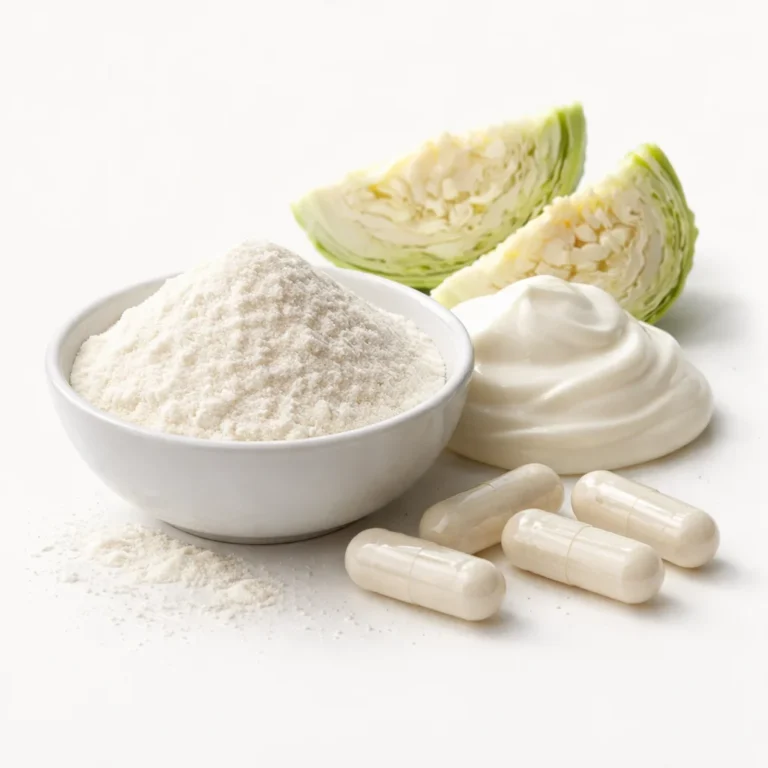
    Lactic ferments are probiotic microorganisms commonly used in fermented foods and supplements to support intestinal balance and digestive comfort. They are supplied as single strains or multi-strain blends and effects vary by species and product. Individual responses and dosing depend on strain and formulation.
  • Klamath

    Klamath is a blue‑green microalga harvested from Oregon’s Lake Klamath, prized for concentrated nutrients, phycocyanins and phenylethylamine. Used as a whole‑algae supplement in powders, tablets and capsules, it is associated with antioxidant and immune‑supporting properties. Consult a healthcare professional if taking anticoagulants.

  • Kefir

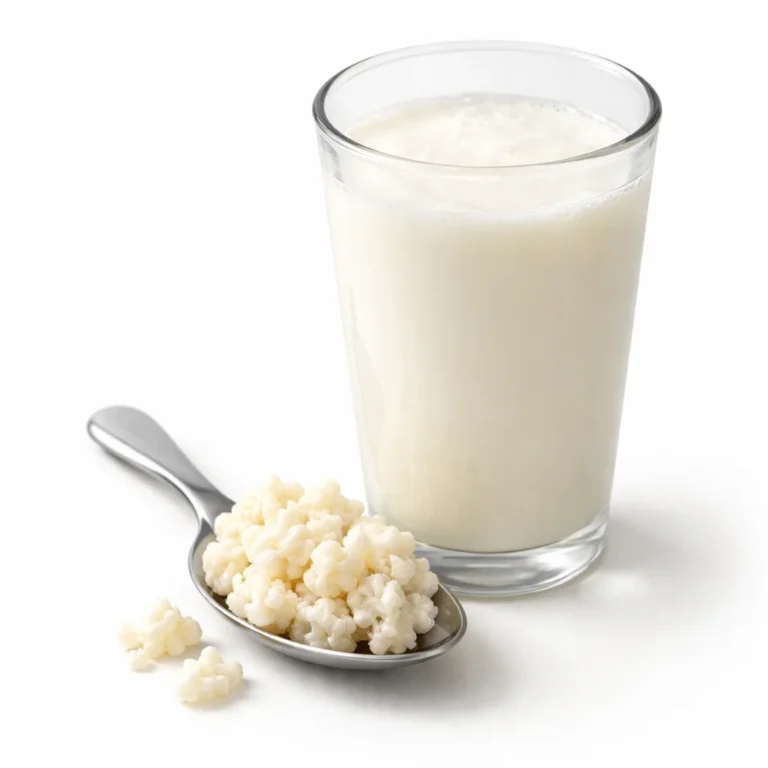
    Kefir is a traditional fermented milk beverage rich in live cultures and the polysaccharide kefiran, widely enjoyed for digestive well‑being and culinary use. It is valued for introducing probiotics into the diet and for supporting intestinal flora balance in some people.

  • Iron

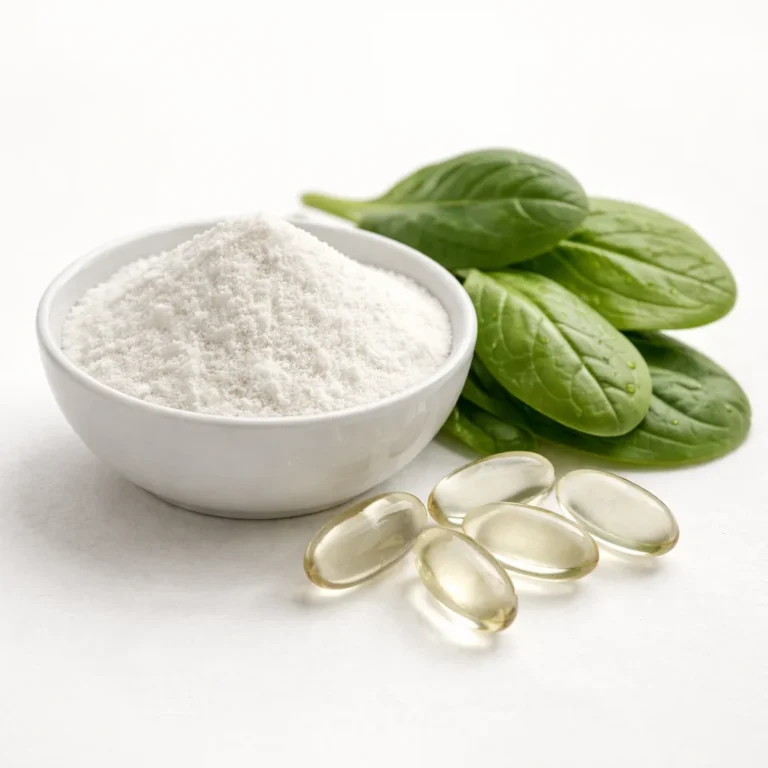
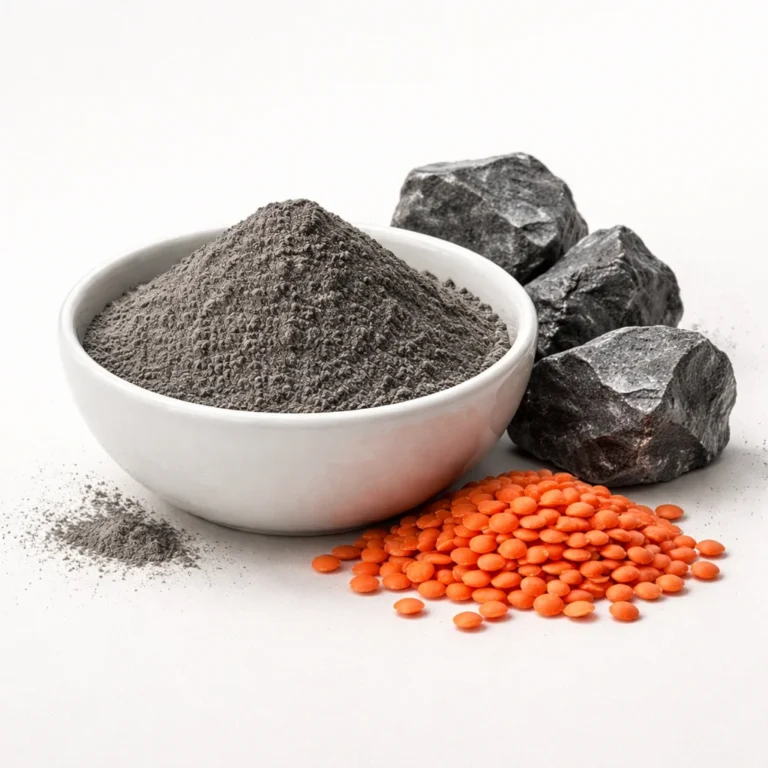
    Essential for oxygen transport and cellular function, iron supports hemoglobin formation and normal energy metabolism. Supplementation is used when intake or stores are insufficient, but effects vary by individual and excess can be harmful. Common side effects include gastrointestinal upset; consult healthcare guidance.

  • Grapefruit Seed

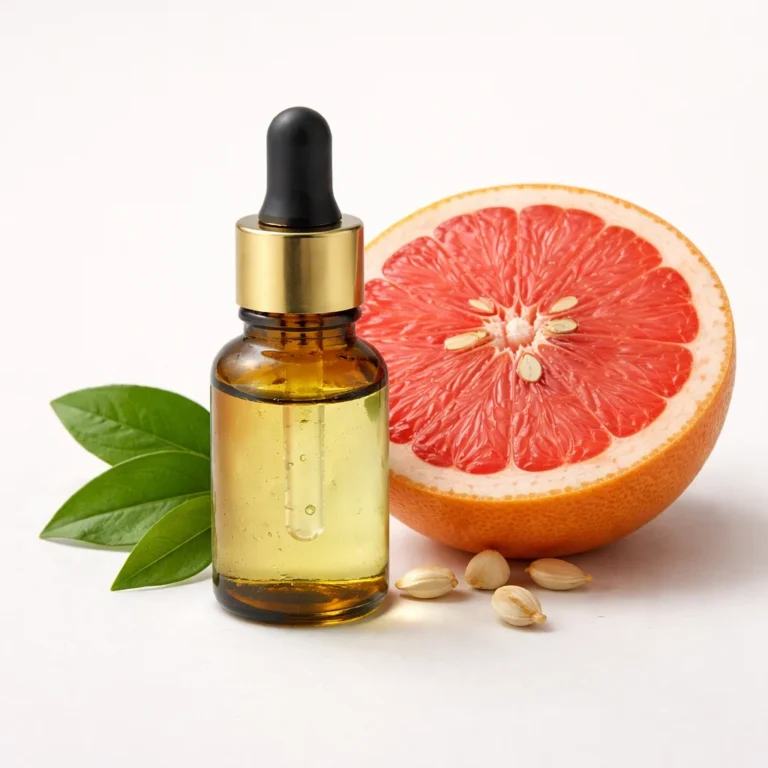
    Concentrated from grapefruit seeds, pulp and mesocarp, grapefruit seed extract is used in natural-health routines for immune support and to address microbial concerns. It contains citroflavonoids and vitamin C and is valued for reported antimicrobial and anti-inflammatory properties. Effects vary by individual; follow product guidance.

  • Glutathione

    Glutathione is a naturally occurring tripeptide found in cells and in foods such as citrus, brassica vegetables and mushrooms; it is widely referenced for antioxidant and detoxification roles. Typical adult supplemental ranges are often cited at 100–300 mg daily with a common upper limit of 600 mg.

  • Ginseng

    Ginseng root is a traditional northeast Asian tonic used to support energy, resilience and vitality, valued for its ginsenosides and antioxidant profile. Individual responses vary and some people may experience side effects or interactions with medications. Consult a healthcare professional before using supplements.

  • Garlic

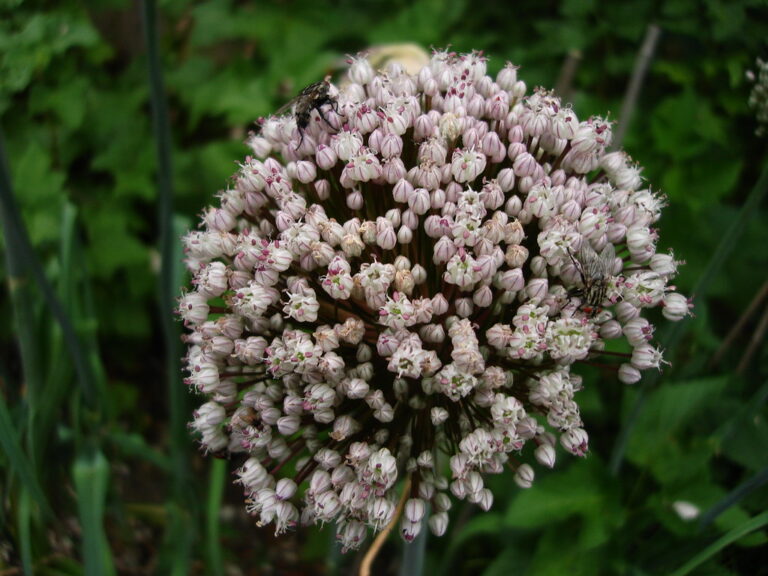
    Garlic is a pungent bulb used culinary and medicinally, valued for sulfur compounds studied for cardiovascular, antimicrobial and antioxidant actions. Research suggests garlic may support healthy blood lipids and blood pressure in some people. Individual responses and tolerability vary considerably.

  • Eleutherococcus

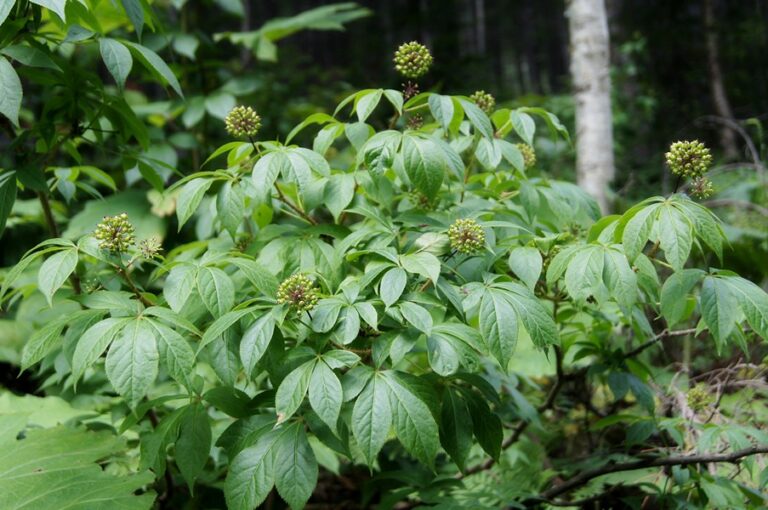
    A hardy Asian shrub valued for its root, Eleutherococcus is traditionally used as an adaptogen and general tonic to support energy, resilience and seasonal immune function. Products range from powders and tinctures to dry and liquid extracts, and responses may vary by individual.

  • Eucalyptus Globulus

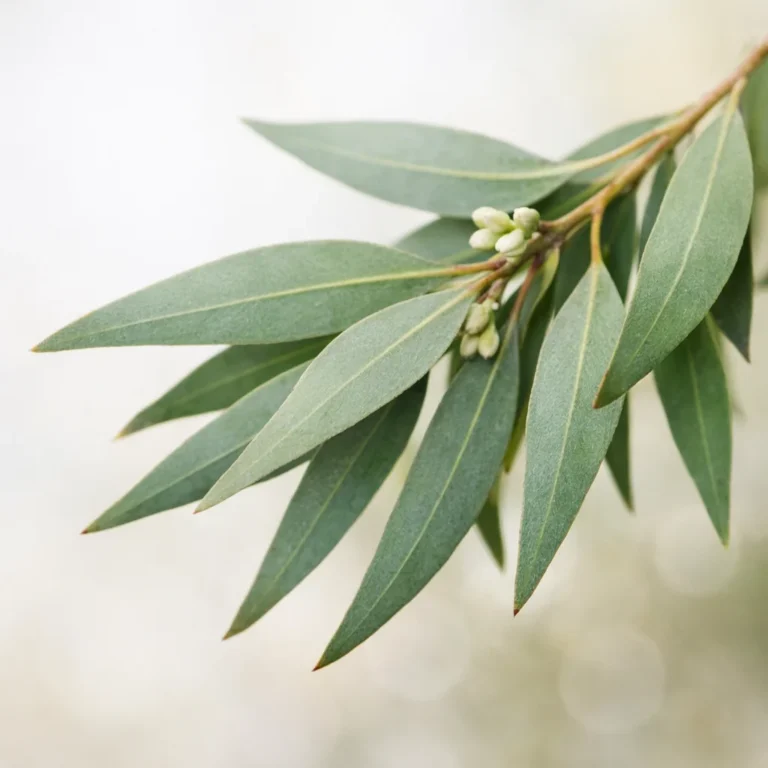
    Eucalyptus globulus yields a potent leaf oil and an herbal infusion traditionally used to ease respiratory discomfort and freshen indoor air. The essential oil is dominated by 1,8‑cineole and should be used diluted and with caution in pregnancy, lactation and young children.

  • Eucalyptus Radiata

    Eucalyptus Radiata yields a clear, slightly sweet essential oil distilled from leaves and used in aromatic and topical preparations for respiratory and skin concerns. Its leaf-derived oil is prized for a high 1,8‑cineole profile and versatile aromatic uses. Uses and effects vary by individual; follow safety guidance.

  • Cypress

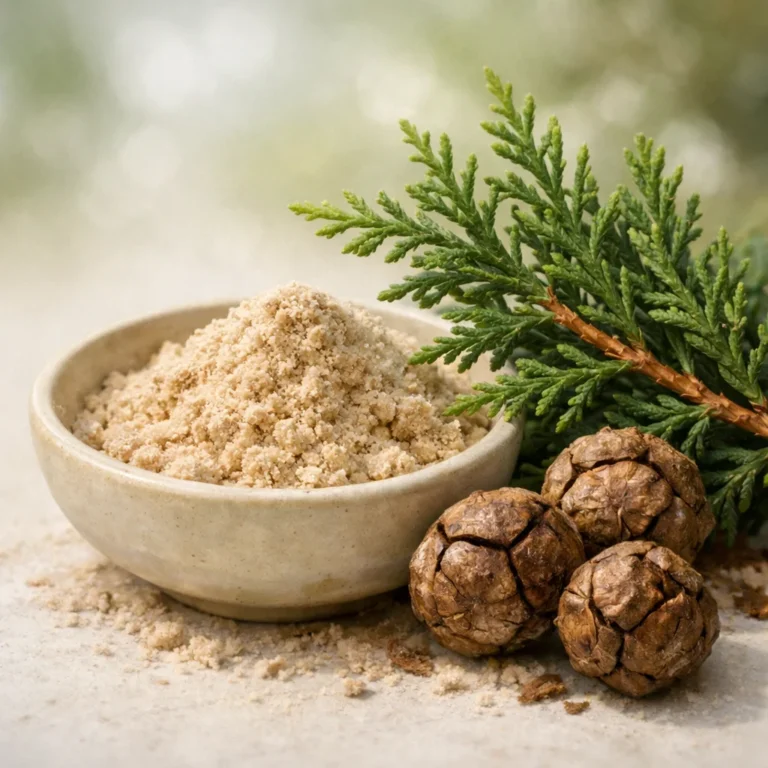
    Cypress is an evergreen Mediterranean tree whose green cones and essential oil are used in supplements and aromatherapy for circulatory and antimicrobial applications. Cones contain tannins, flavonoids and terpenes that are the focus of traditional use and research. Effects vary by individual.