
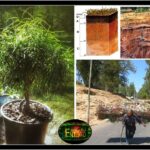
Eucalyptus Globulus
A cooling, aromatic leaf oil traditionally used for respiratory comfort.
Eucalyptus Globulus is an evergreen tree native to Australia whose mature leaves yield an essential oil rich in 1,8‑cineole (eucalyptol). Leaf infusions, steam inhalations and controlled diffusion of the essential oil are commonly used in herbal and aromatherapy contexts to support respiratory comfort, act as an air antiseptic and provide a cooling, stimulating aroma; diluted topical preparations are traditionally applied in massage for local soothing effects.
Dosage and safety vary by preparation and individual sensitivity: a typical infusion uses 1.5–3 g of dried leaves per 150 mL cup (up to four cups daily in respiratory situations), massage blends dilute the essential oil to about 5–20% in a carrier oil, inhalation methods often add around five drops to a bowl of hot water for 1–10 minutes, and only a few drops are usually sufficient for room diffusion. The essential oil is potent and should not be used orally without professional advice; it is contraindicated in pregnancy, lactation and young children, and people with known hypersensitivity or asthma should consult a healthcare professional. Uses and effects may vary by individual.
At a Glance
An evergreen tree native to Australia, Eucalyptus globulus produces leaves rich in essential oil dominated by 1,8-cineole (eucalyptol).
Leaf infusions, steam inhalations and diluted essential oil preparations are traditionally used in herbal and aromatherapy contexts for respiratory comfort and for air antisepsis. Uses and effects may vary by individual.
| Common name |
|
|---|---|
| Scientific name | Eucalyptus globulus |
| Plant family | Myrtaceae |
| Origin | Australia |
| Parts used | Leaves |
| Active compounds |
|
| Main benefits |
|
| Available forms |
|
Origin & History
Eucalyptus globulus is native to Australia and thrives across a range of habitats from coastal lowlands to upland forests. The species is a tall evergreen with smooth, shedding bark and long, narrow leaves that contain a fragrant essential oil; these botanical traits have supported both wild growth and widespread cultivation outside its native range.
Aboriginal Australian communities were the first to use the tree’s sap and leaves medicinally, applying sap to wounds and using leaves for fever and respiratory complaints. Over subsequent centuries Eucalyptus globulus was introduced into Mediterranean and subtropical regions worldwide for forestry, land‑management and industrial purposes; its rapid growth made it valuable for timber and pulp production, and it was sometimes planted in marshy areas to reduce standing water. Traditional uses and cultural associations vary by region and community, and practices evolved as the tree spread beyond Australia.
Composition & Active Compounds
Eucalyptus globulus is a large evergreen tree with smooth, peeling bark and long, narrow, sickle‑shaped mature leaves; juvenile foliage is broader and often bluish, which inspired the name “blue gum.” The mature leaves yield 1–3% essential oil dominated by 1,8‑cineole and also contain a mix of monoterpenes, sesquiterpenes, triterpenes, ketones and aldehydes. These constituents shape the oil’s strong aromatic profile and are the basis for its traditional uses in inhalation, diffusion and topical blends.
The leaves are the primary part used in supplements and their essential oil is dominated by 1,8‑cineole (eucalyptol).
- 1,8‑cineole (eucalyptol): Major constituent of the leaf essential oil, responsible for the camphor‑like aroma and a principal active terpene.
- alpha‑pinene: Monoterpene present in the oil that contributes to the resinous, pine‑like scent.
- limonene: Monoterpene with a citrus‑like fragrance found in smaller amounts.
- aromadendrene: Sesquiterpene contributing to the oil’s complex aromatic profile.
- Triterpenes: Larger non‑volatile compounds present in the leaves.
- Ketones: Organic constituents detected in the oil composition.
- Aldehydes: Volatile constituents that contribute to the overall chemical profile.


Properties & Effects
Eucalyptus globulus is traditionally known for preparations from its leaves and essential oil that are used in respiratory care and in aromatherapy to freshen indoor environments.
Its most well-documented traditional use is as a respiratory decongestant.
- Respiratory decongestant: May support relief of nasal and chest congestion and ease cough symptoms.
- Air antiseptic: May help purify indoor air when used in controlled diffusion.
- Anti-inflammatory and analgesic: When applied diluted in a carrier oil, it may help soothe local musculoskeletal or rheumatic discomfort.
- Stimulant and refreshing: Often described as having a cooling, invigorating aroma that may feel refreshing or stimulating.
Dosage & How to Use
Dosage depends on the preparation; the following guidance is drawn from the provided usage recommendations.
| Infusion |
|
|---|---|
| Massage |
|
| Diffusion |
|
| Inhalation |
|
| Oral use | Not recommended without medical advice |
Safety, Side Effects & Contraindications
Use of Eucalyptus globulus products requires caution because the essential oil is potent and individual sensitivity varies. The provided guidance indicates the oil and strong preparations are contraindicated in certain groups and should not be used internally without professional advice.
Known adverse effects include possible skin irritation and allergic reactions; a tolerance patch test on the inner elbow is recommended before topical use. People with asthma should seek medical guidance before using eucalyptus preparations, and ingestion of the essential oil is not advised without a healthcare professional’s recommendation. If any adverse reaction occurs, discontinue use and consult a healthcare provider.
- Pregnancy: Contraindicated for pregnant women.
- Lactation: Contraindicated for breastfeeding women.
- Children: Contraindicated for young children.
- Hypersensitivity: Do not use if allergic or hypersensitive to eucalyptol.
- Asthma: People with asthma should consult a healthcare professional before use.
- Oral use: Not recommended without medical advice.
- Topical precautions: Essential oil must be diluted and a skin tolerance test is advised.
Avoid use of eucalyptus essential oil in pregnancy, breastfeeding and young children; consult a healthcare professional before use, especially if asthmatic, allergic or considering internal use.