Immune Support

  • Cod Liver Oil

    Cod Liver Oil is a traditional marine supplement high in vitamins A, D and E and long‑chain omega‑3s, used to support bone, immune and cardiovascular health. Concentrations vary by product, so dosing should be adjusted for age, diet and other supplements.
  • Chlorella

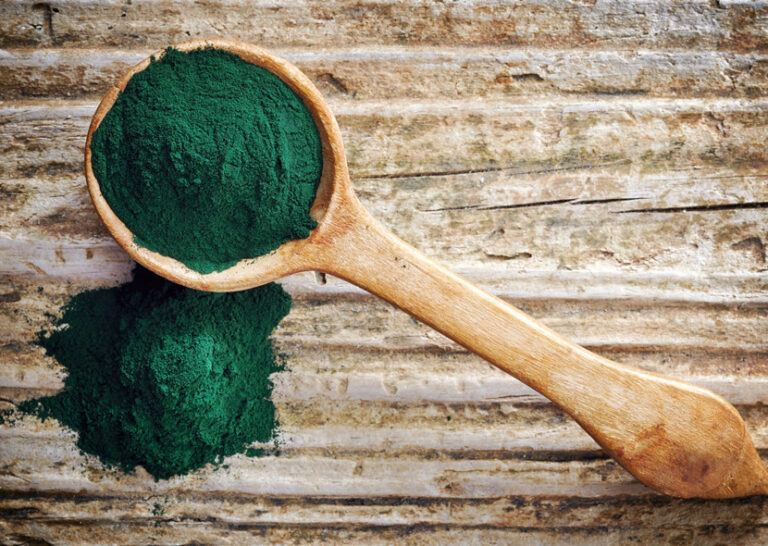
    Chlorella is a nutrient-dense single-celled green microalga used as a dietary supplement for its rich chlorophyll, B vitamins, iron and omega‑3 content globally. Research highlights antioxidant and detoxification properties and potential support for vascular and immune markers, though individual responses vary.

  • Cat’s Claw

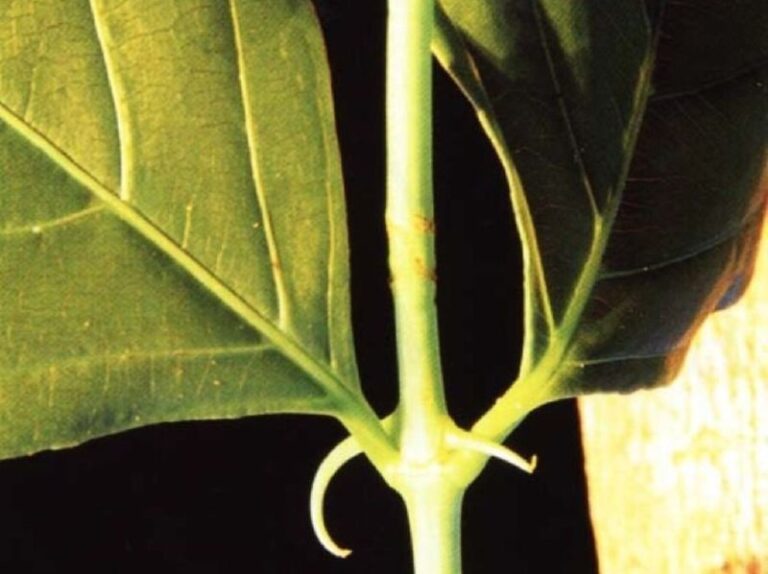
    Cat’s Claw is a South American vine used traditionally for a wide range of remedies, with preparations made from bark, roots and leaves. It is primarily known for immune-supporting, anti-inflammatory and antioxidant activity. Effects vary by species and formulation; consult a healthcare professional before use.

  • Camu Camu

    Camu Camu is a tart Amazonian berry prized for its exceptionally high vitamin C content and rich polyphenol profile, traditionally consumed as a diluted juice, powder or in capsules to support energy and seasonal resilience. Its antioxidant-rich fruit is commonly marketed as powder, capsule or juice.

  • Black Seed

    Black Seed (Nigella sativa) has been used across the Mediterranean and Southwest Asia for culinary and traditional purposes, processed into seeds, oils and supplements for antioxidant and immune-supportive roles. Cold‑pressed oil with thymoquinone is commonly used in capsules at 1,000–2,000 mg daily.

  • Bee Pollen

    Bee pollen is a nutrient-dense hive product collected as compact pellets by forager bees, rich in proteins, vitamins, minerals and antioxidants. Traditionally used to support energy, urinary comfort in men with prostate concerns and relief of some menopausal symptoms. Effects vary between individuals; consult a professional.

  • Amino Acids

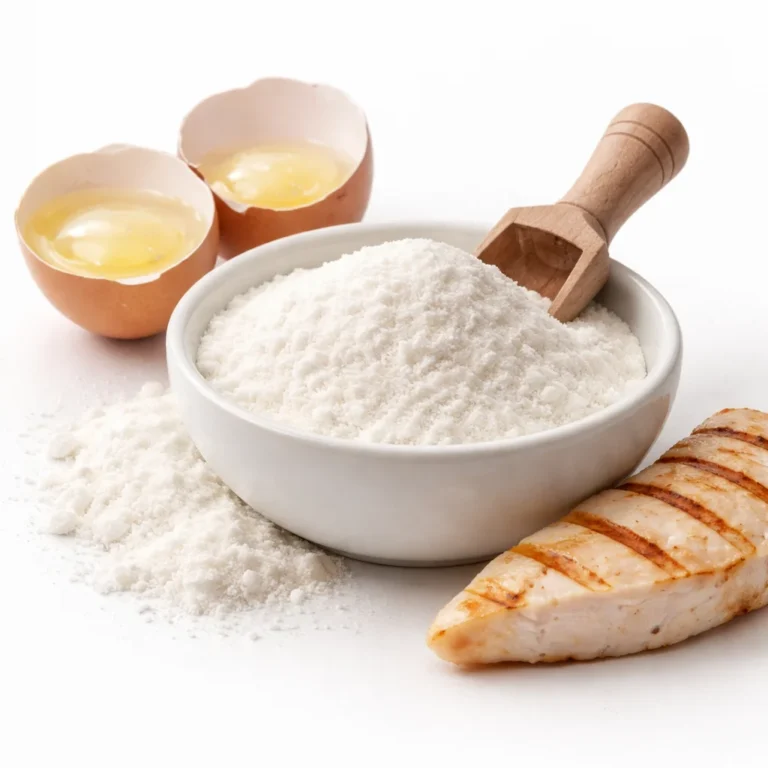
    Amino acids are the building blocks of proteins and are used to support energy, muscle maintenance and immune-related proteins through diet or supplements. Essential amino acids must be obtained from food or concentrated sources such as spirulina or targeted supplements.

  • Echinacea

    Echinacea is a North American perennial used in herbal practice for immune support and topical wound care. Roots, leaves and flowers are prepared as tinctures, powders and extracts with alkylamides, phenolics, flavonoids and polysaccharides. Individual responses and safety considerations vary.

  • Acerola

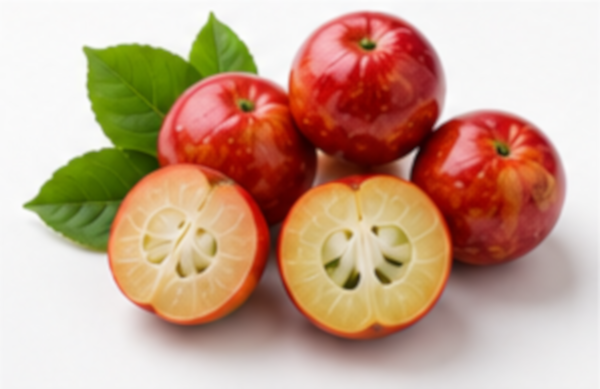
    Acerola is a small tropical cherry prized for its exceptionally high natural vitamin C content and complementary flavonoids and anthocyanins. The fruit is commonly eaten fresh, juiced, or processed into powders and supplements to support energy and antioxidant intake. Its bright red berries spoil quickly after harvest.

  • Ginger

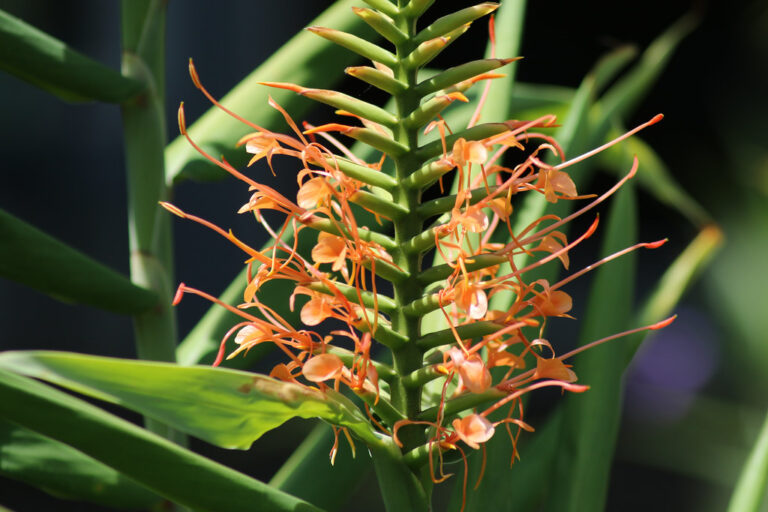
    Warm, aromatic rhizome used as spice and traditional tonic with phenolics like gingerol and shogaol. Research and traditional use point to antioxidant, anti-inflammatory and anti-nausea roles, though responses vary by individual. Use and tolerability depend on dose and personal health.

  • Goji Berry

    Goji berry is a small red-orange fruit used for millennia in Chinese and Tibetan herbal traditions and now sold worldwide as dried berries, juice and supplements. Research highlights its rich antioxidant and vitamin composition, notably polysaccharides and carotenoids, which contribute to its use as a nutritional tonic.

  • Tea Tree

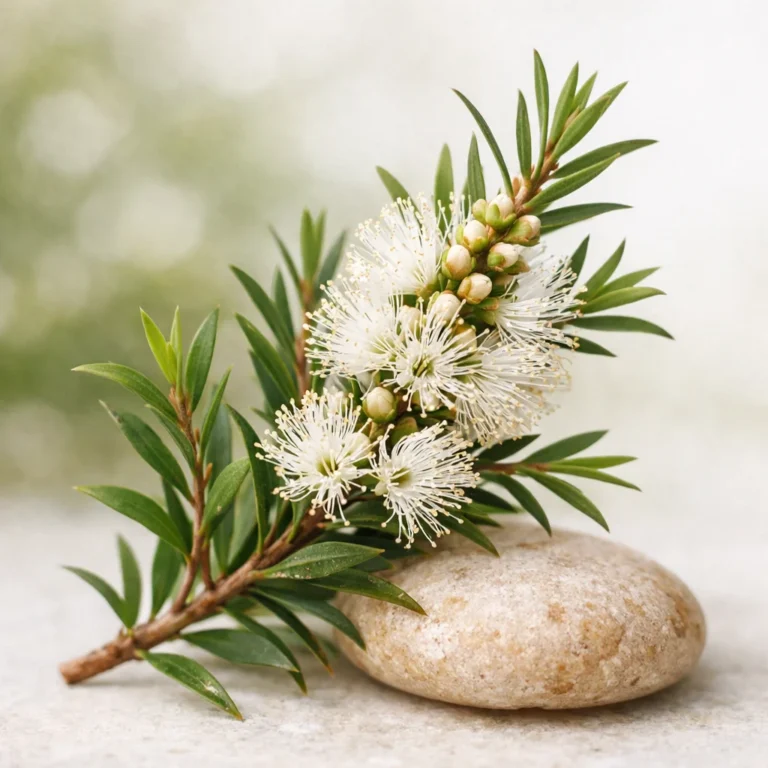
    Tea tree oil, distilled from Melaleuca alternifolia leaves, is widely used in topical products and aromatherapy for its traditional cleansing and toning roles. It is valued for broad-spectrum antimicrobial and skin-supporting applications, though individual responses vary and products are highly concentrated.