
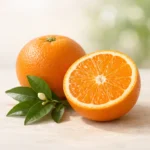
Sweet Orange
Citrus fruit rich in vitamin C with a fragrant peel oil for relaxation.
Sweet Orange (Citrus sinensis) is a widely cultivated fruit tree originally from Asia, valued both for its sweet edible fruit and the aromatic peel. The fresh fruit is a recognized source of vitamin C and antioxidants, while the peel can be cold-pressed to yield an essential oil rich in limonene and other monoterpenes with a bright, citrus scent used in aromatic preparations.
Fruit, peel and essential oil have diverse uses: the fruit is consumed for nutritional value, and the essential oil is commonly used in aromatherapy and gentle topical or diluted oral preparations for relaxation of the environment and traditional digestive comfort. Uses and effects may vary by individual; appropriate dilution and safety precautions are recommended when working with the essential oil.
At a Glance
Sweet Orange is a widely cultivated fruit tree producing sweet edible fruit and a fragrant peel that yields an essential oil used in aromatic preparations.
The fruit is a dietary source of vitamin C, and the peel yields a limonene-rich essential oil commonly used in aromatherapy and topical or diluted oral preparations.
| Common name |
|
|---|---|
| Scientific name | Citrus sinensis |
| Plant family | Rutaceae |
| Origin | Asia |
| Parts used |
|
| Active compounds |
|
| Main benefits |
|
| Available forms |
|
Origin & History
Sweet Orange (Citrus sinensis) is native to Asia and is closely related to the bitter orange (Citrus aurantium); it grows as an evergreen tree with glossy leaves, white flowers and a thick peel that yields a fragrant essential oil. The species thrives in tropical and subtropical climates and is cultivated worldwide, with major production in Brazil, the United States, Mexico, China, India, parts of Southeast Asia and Mediterranean countries.
Introduced to western regions through maritime trade, the sweet orange quickly displaced bitter varieties in popularity and became both a valued food crop and an ornamental plant. During the Renaissance, oranges were cultivated in orangeries and regarded as symbols of prestige and refinement. The fruit has long been used for its flavor and nutritional qualities, while the peel has supplied cold-pressed oil for perfumery, aromatic preparations and household scenting.
Composition & Active Compounds
Sweet Orange is an evergreen shrub or small tree with glossy dark green leaves, fragrant white flowers and round fruits with a thick, orange peel that is readily cold‑pressed to yield essential oil. The fresh fruit is notable for its vitamin C content and antioxidant flavonoids, while the peel and its oil are rich in volatile terpenes such as limonene; these constituents shape the fruit’s nutritional profile and the peel oil’s aromatic and antioxidant characteristics.
The peel is the primary source of cold‑pressed essential oil, and limonene is the dominant compound in that oil.
- Vitamin C: water‑soluble antioxidant abundant in the fruit
- Limonene: major volatile terpene in the peel oil, responsible for the citrus aroma
- Naringenin: citrus flavonoid present in the fruit with antioxidant activity
- Hesperetin: citrus flavonoid contributing to the fruit’s antioxidant profile

Properties & Effects
Sweet Orange is traditionally known for its edible fruit and the fragrant oil obtained from the peel, commonly used in culinary, aromatic and topical preparations.
The fruit is a widely recognized dietary source of vitamin C and antioxidants.
- Antioxidant: The fruit may support antioxidant intake and contribute to overall nutritional antioxidant status.
- Relaxation: The essential oil is traditionally used in aromatherapy and diffusion to promote relaxation and a calm atmosphere.
- Digestive comfort: The essential oil is traditionally used, when diluted, to help ease digestion and reduce feelings of bloating.
- Air antiseptic: The essential oil used in diffusion may help freshen indoor air and support gentle purification of indoor spaces.
Dosage & How to Use
Follow dilution guidance and safety precautions when using Sweet Orange essential oil by mouth, on skin or in a diffuser.
| Oral |
|
|---|---|
| Topical |
|
| Diffusion | A few drops in a diffuser; follow the device instructions |
Safety, Side Effects & Contraindications
Certain people should avoid Sweet Orange essential oil or seek professional advice before using it: pregnant and breastfeeding women and children are not recommended to use the oil unless directed by a healthcare professional, and people with epilepsy or asthma should consult a clinician before use. The oil contains natural compounds that can cause allergic or irritant reactions in sensitive individuals.
Known side effects include skin irritation, allergic responses and increased sensitivity to sunlight after topical application; the oil must be diluted before oral or skin use and a patch (tolerance) test is advised. If taking medications or managing a chronic condition, consult a healthcare professional prior to use for personalized guidance.
- Pregnancy and breastfeeding: Not recommended unless a healthcare professional advises otherwise.
- Children: Use is not recommended for children except under medical guidance.
- Allergy risk: May cause allergic reactions in people sensitive to components such as limonene; perform a skin tolerance test before topical use.
- Epilepsy and asthma: Seek medical advice before use if affected by epilepsy or asthma.
- Photosensitivity: Avoid sun exposure for up to 8 hours after applying the oil to skin because it can increase sun sensitivity.
- Dilution required: Essential oil must be diluted before oral or topical use to reduce risk of irritation.
Not recommended for pregnant or breastfeeding women, young children, or people with epilepsy or asthma without medical advice; topical oil can cause photosensitivity and allergic reactions—consult a healthcare professional before use.