Herb

  • Garlic

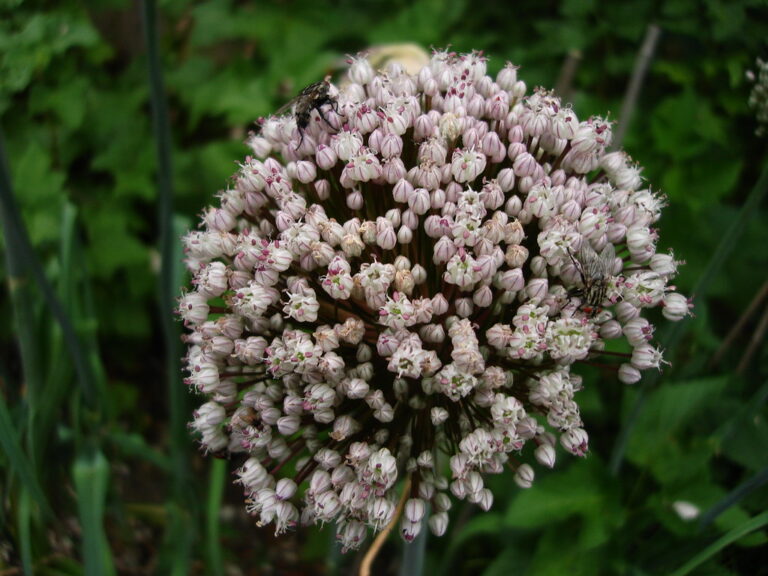
    Garlic is a pungent bulb used culinary and medicinally, valued for sulfur compounds studied for cardiovascular, antimicrobial and antioxidant actions. Research suggests garlic may support healthy blood lipids and blood pressure in some people. Individual responses and tolerability vary considerably.
  • Garcinia

    Native to Southeast Asian forests, Garcinia fruit rind is used culinary and in traditional Ayurveda; extracts contain hydroxycitric acid studied for appetite and lipid effects. Supplements standardized to HCA are commonly taken for weight‑related goals, though results vary and safety considerations apply. Consult a professional before use.

  • Fennel

    Fennel offers anise‑like flavor and a long history of culinary and herbal use across the Mediterranean. Its seeds and roots are used in teas, extracts and essential oils for digestive comfort and mild expectorant support. Individual responses vary and precautions apply for pregnancy and allergy.

  • Fenugreek

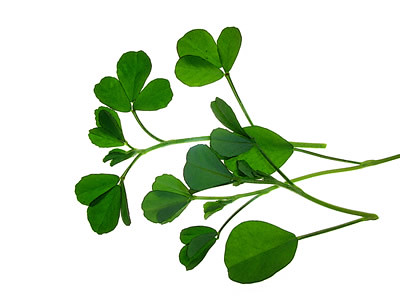
    Fenugreek is a Mediterranean annual whose seeds are used as spice and in traditional remedies for appetite, digestion, blood sugar and lactation support. Seeds contain compounds such as diosgenin, trigonelline and 4‑hydroxyisoleucine and are sold as whole seeds, powders and extracts.

  • Evening Primrose

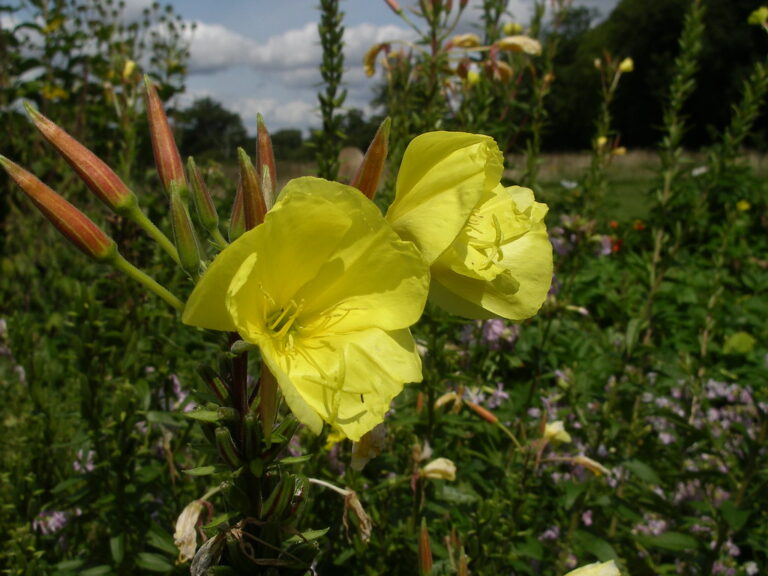
    Evening Primrose oil is pressed from the seeds of Oenothera biennis and is prized for its omega-6 fatty acids, notably gamma-linolenic acid, used in dietary and topical preparations for women’s comfort and skin support. Research suggests evening primrose oil may support relief of menstrual and menopausal symptoms for some individuals, though responses vary.

  • Eleutherococcus

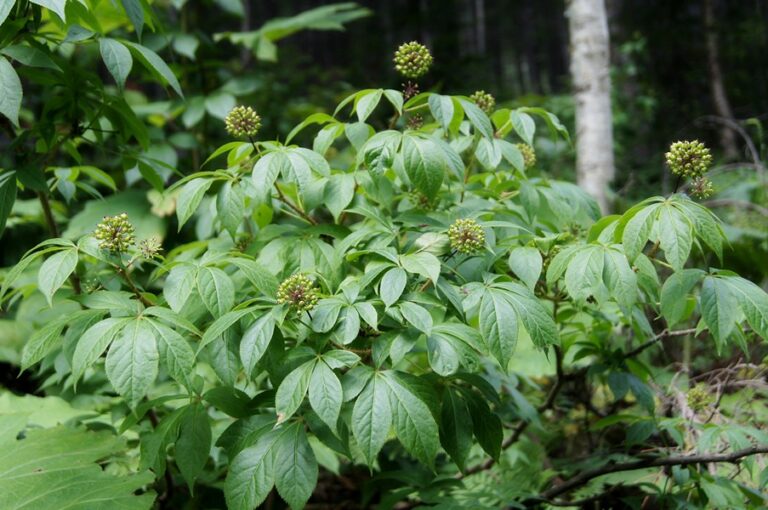
    A hardy Asian shrub valued for its root, Eleutherococcus is traditionally used as an adaptogen and general tonic to support energy, resilience and seasonal immune function. Products range from powders and tinctures to dry and liquid extracts, and responses may vary by individual.

  • Devil’s Claw

    Rooted in the semidesert landscapes of southern Africa, Devil’s Claw is a tuberous plant used traditionally for joint discomfort and digestive issues. Harpagophytum extracts are commonly standardized for harpagosides. Individual responses vary; follow dosing guidance and consult a professional for safety.

  • Desmodium

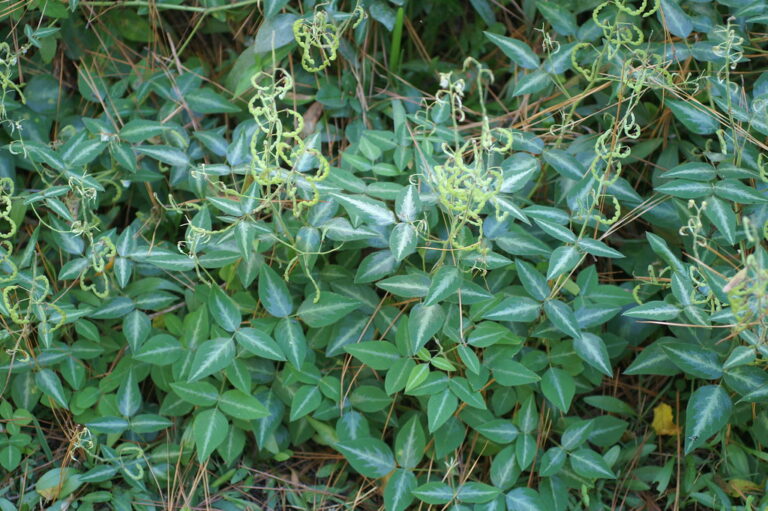
    Desmodium adscendens is a tropical herb used traditionally for liver support and to address spasmodic conditions. Leaves and stems are commonly used in supplements for their hepatoprotective and antispasmodic properties. Available as powders, extracts and capsules; effects vary by individual.

  • Dong Quai

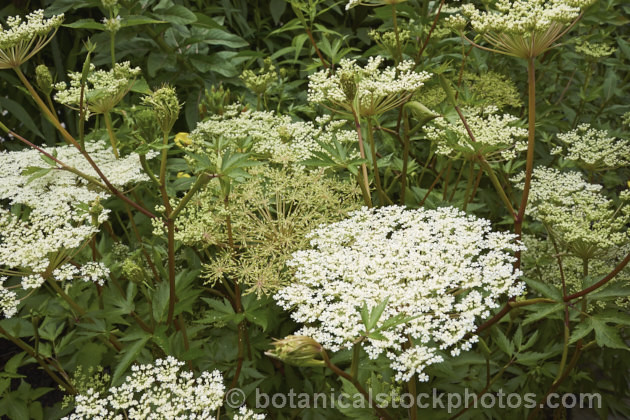
    Traditional Chinese medicinal root used for menstrual, premenstrual and menopausal support, and to aid circulation. Commonly marketed as root extracts, capsules or herbal decoctions with standardized ligustilide content. Consult a healthcare professional before use if pregnant, breastfeeding or taking blood‑thinning or glucose‑lowering medications.

  • Damiana

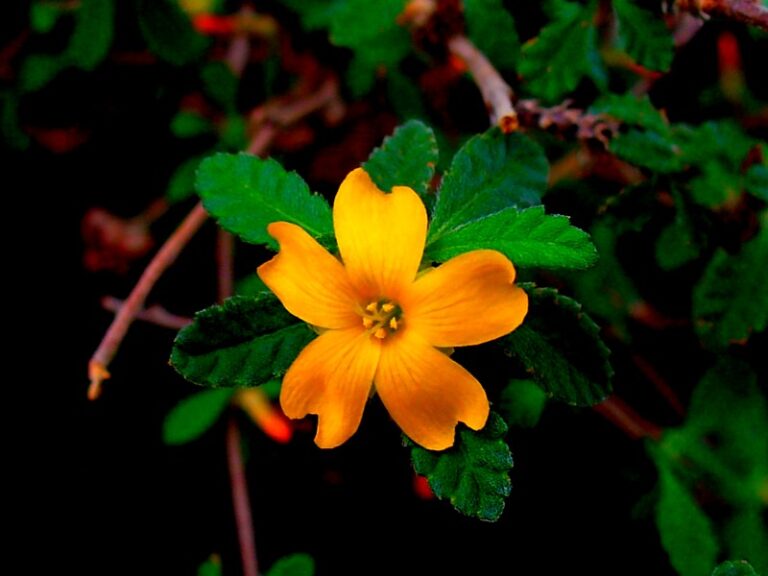
    Damiana is a fragrant shrub whose dried leaves are used in teas and extracts traditionally associated with libido support and mild tonic effects. Standardized leaf extracts and infusions are the most common formats in contemporary supplements. Use and effects may vary by individual.

  • Dandelion

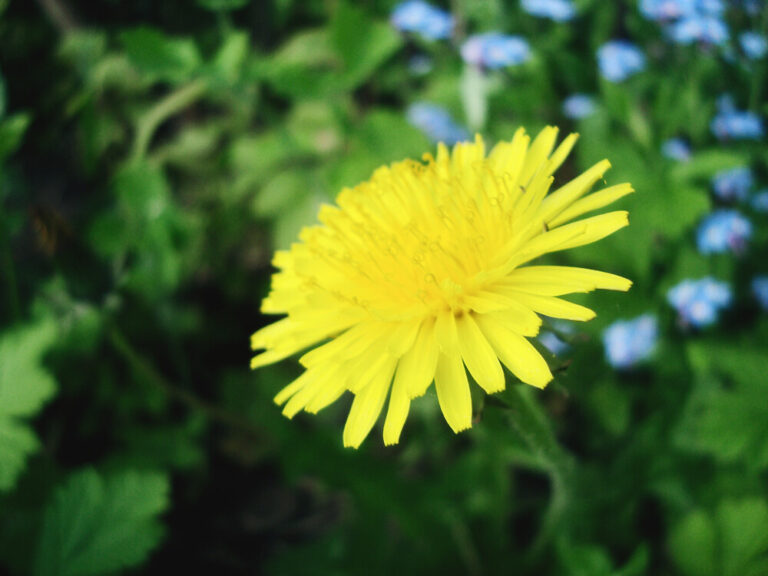
    Dandelion is a common perennial whose leaves and roots have long been used in food and herbal preparations for digestive support and bodily drainage. Its roots are rich in inulin and both leaves and roots are used as infusions, tinctures and extracts. Uses and effects vary by individual.

  • Coleus Forskohlii

    A perennial member of the mint family, Coleus forskohlii is valued for root-derived forskolin and standardized extracts used in dietary supplements for metabolic and cardiovascular research. Traditional use and modern studies most often focus on weight management, vascular effects and intraocular pressure, though results vary by individual.