Herb

  • Couch Grass

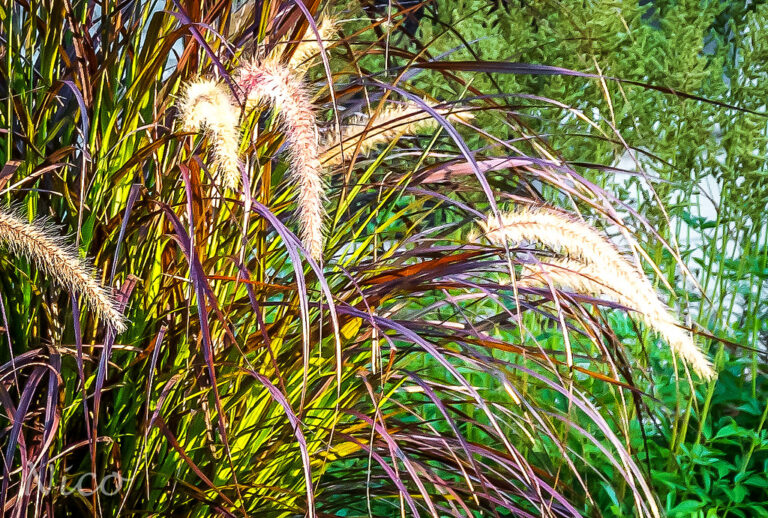
    Couch Grass is a perennial grass whose rhizome has long been used in herbal practice for urinary drainage and soothing mucous membranes. Traditional preparations favour the dried rhizome for infusions, capsules or fluid extracts to support gentle diuretic and anti-inflammatory uses. Individual responses vary; precautions apply.
  • Cornflower

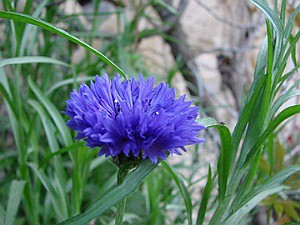
    Cornflower hydrosol, distilled from vivid blue Centaurea cyanus petals, is prized in gentle eye and skincare routines for its cooling, mildly astringent character and historical use. Traditionally applied with cotton pads or mists to soothe tired or irritated eyes and refresh skin. Individual responses vary.

  • Cinnamon

    Warm, aromatic bark and distilled leaf oil, cinnamon is used globally in cuisine and traditional medicine for digestion and as a stimulating tonic. Laboratory studies report antimicrobial activity and it is commonly used for difficult digestion. Effects and tolerability vary by individual; consult guidance for concentrated oils.

  • Chrysanthellum

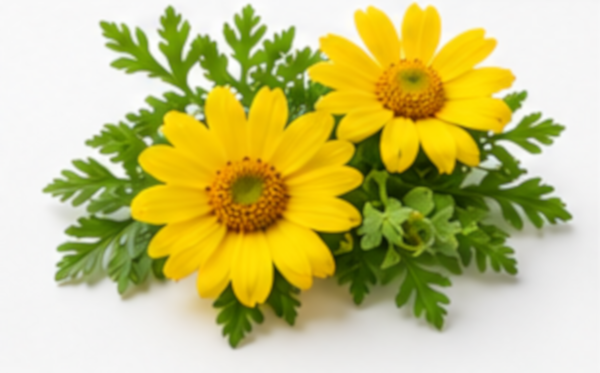
    Chrysanthellum is a small yellow-flowered herb used traditionally in South America and Africa for liver and circulatory support, often prepared as infusions or standardized extracts. It is most noted for hepatoprotective and digestive supporting properties. Individual responses vary and safety considerations apply.

  • Cherry Stems

    Cherry stems are dried peduncles of sour cherry prized in traditional herbalism for their draining and detoxifying reputation, rich in potassium salts and polyphenols. They are commonly used in infusions or powdered supplements to support fluid balance and urinary tract health.

  • Chaste Tree

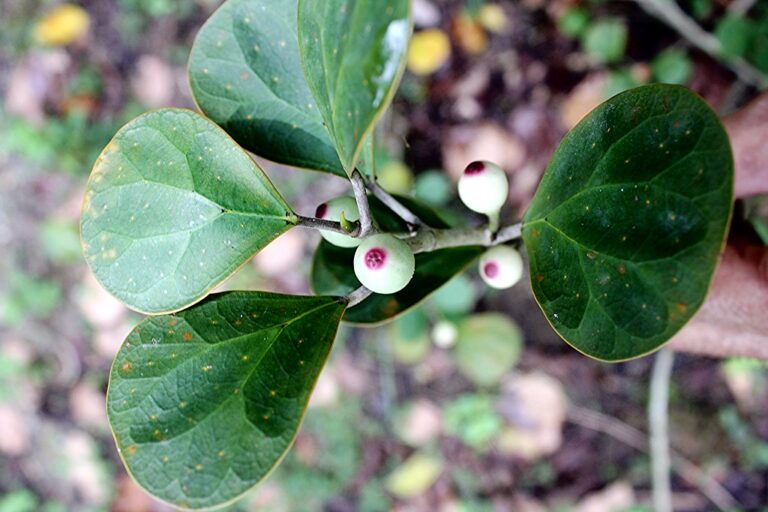
    Chaste tree is a Mediterranean shrub whose dried berries have been used since antiquity for menstrual and premenstrual complaints. Research points to diterpenes in the berries that may influence pituitary and ovarian activity and support cycle regulation. Individual responses vary and medical advice is recommended before use.

  • Cat’s Claw

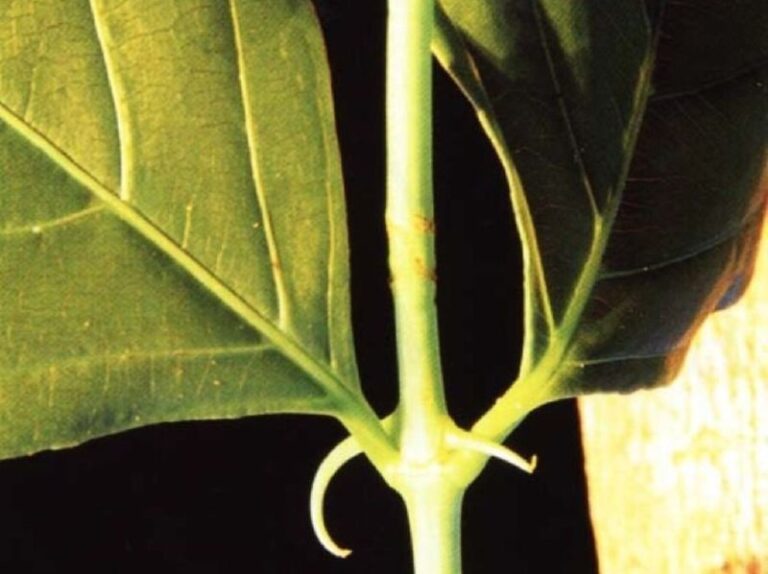
    Cat’s Claw is a South American vine used traditionally for a wide range of remedies, with preparations made from bark, roots and leaves. It is primarily known for immune-supporting, anti-inflammatory and antioxidant activity. Effects vary by species and formulation; consult a healthcare professional before use.

  • Carrot

    Root vegetable prized for beta‑carotene and carotenoids, commonly eaten raw, cooked or juiced, and used in topical preparations from its seed oil. Its carotenoids are associated with antioxidant activity and skin‑care uses, though effects vary by individual. Consult product directions and a professional before concentrated use.

  • Caraway

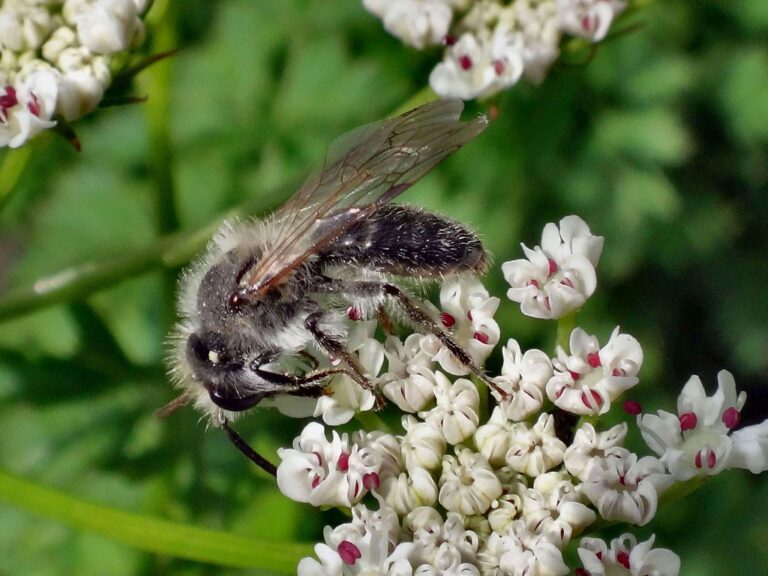
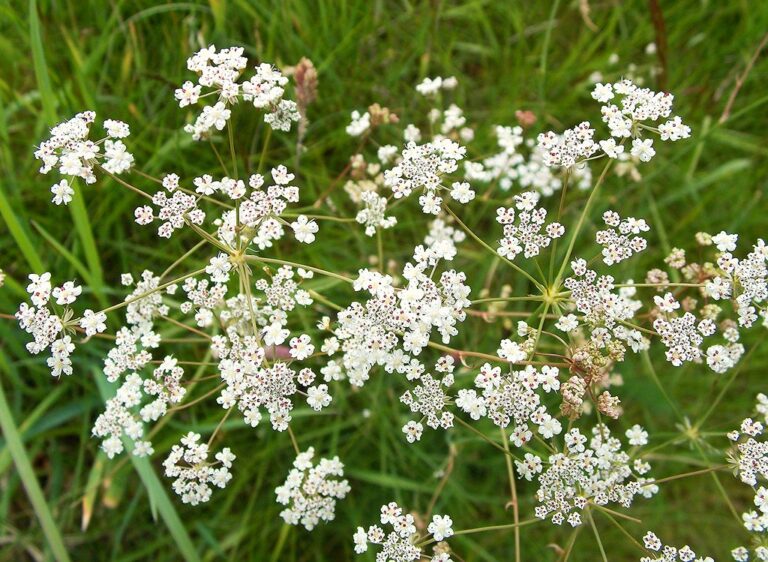
    Caraway seeds are aromatic brown fruits used in cooking and traditional herbalism for digestive comfort and mild respiratory support. Its essential oil, rich in carvone, is prized for digestive and expectorant applications. Use varies by individual; follow product guidance.

  • California Poppy

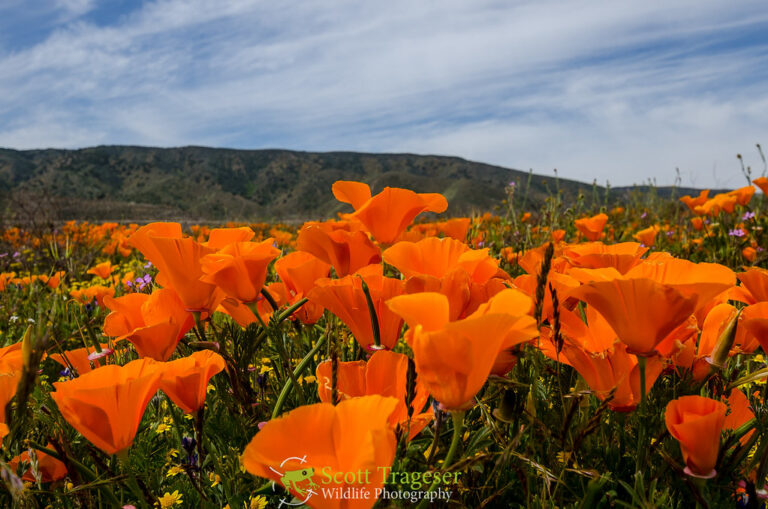
    California poppy is a North American herb prized for its bright yellow‑orange flowers and use as a mild calming botanical. Traditional and research sources associate it with anxiolytic and sedative effects, and extracts are standardized to californidine. Individual responses vary; consult a professional for guidance.

  • Calendula

    Calendula flowers are used widely in topical preparations for skin care and mucosal washes, prized for soothing and wound-supporting properties. Its bright petals are rich in flavonoids and carotenoids and are commonly processed into oils, creams and tinctures. Individual responses may vary.

  • Burdock

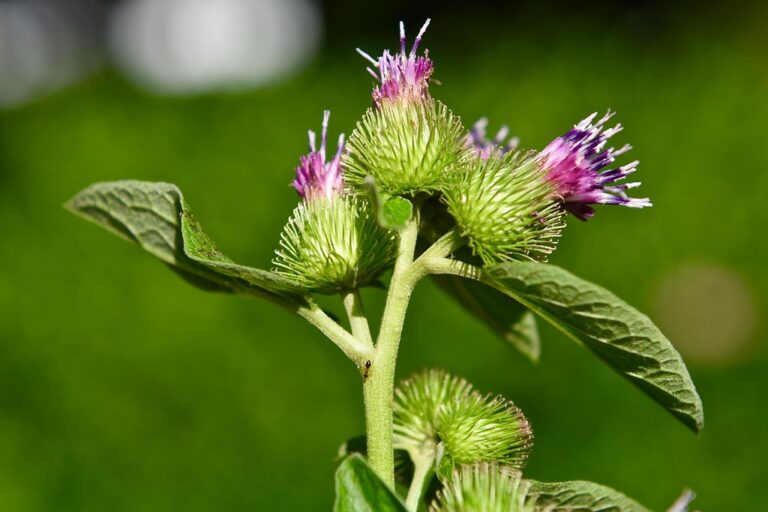
    Root and leaves of burdock have long been used to support the body’s cleansing processes and to address oily, inflamed or troubled skin across traditional systems. Traditional preparations and modern supplements commonly use the inulin-rich root for intestinal and dermatological support.