Chaste Tree
A traditional herb used to support menstrual balance and premenstrual comfort.
Chaste Tree (Vitex agnus-castus) is a Mediterranean shrub whose dried berries have a long history of herbal use. The fruits contain labdane diterpenes (including rotundifuran), flavonoids and iridoids, and these constituents have been investigated for effects on pituitary and ovarian activity; this pharmacology underlies the plant’s traditional role as a hormonal regulator applied to menstrual irregularities and premenstrual symptoms.
Preparations include dried berries, tinctures and standardized dry extracts (a common daily extract dose cited by regulatory authorities is 20 mg), and clinical reports range from traditional use to controlled studies. Individual responses can vary; use is generally advised with caution — chaste tree is contraindicated in pregnancy and lactation, in adolescents, and in people with certain pituitary disorders or a personal/family history of breast cancer, and reported adverse effects include gastrointestinal upset, dizziness, headache, acne and allergic reactions. Medical supervision is recommended when considering use.
At a Glance
A Mediterranean shrub used in traditional herbal medicine, chaste tree produces small peppery berries that are dried and processed into extracts and supplements. Its chemical profile includes labdane diterpenes, flavonoids and iridoids, and these constituents have been researched for effects on pituitary and ovarian activity related to menstrual health.
| Common name |
|
|---|---|
| Scientific name | Vitex agnus-castus |
| Plant family | Verbenaceae |
| Origin | Mediterranean region |
| Parts used | Fruits (berries) |
| Active compounds |
|
| Main benefits |
|
| Available forms |
|
Origin & History
Chaste tree is native to the Mediterranean region and grows naturally in moist habitats such as riverbanks, springs, streams, coastal marshes and wetlands. The shrub has been cultivated and naturalized in parts of Europe and beyond, where it often occurs near waterways and in coastal zones.
Used since antiquity, chaste tree appears in classical herbal sources and was recommended by ancient physicians for a range of women’s health-related applications in traditional practice. In the Middle Ages, monks were said to chew the berries to curb sexual desire, giving the plant the common name “monk’s pepper” and the reputation for promoting chastity. These historical and cultural uses persisted into later herbal traditions and informed ongoing interest in the plant’s bioactive constituents.
Composition & Active Compounds
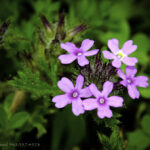
The chaste tree is a woody shrub reaching about 1–2 metres, with greyish hairy branches, lance-shaped dark green leaves, spikes of violet flowers and small black-reddish drupes (berries) that are the primary material used in herbal preparations. Its chemical profile is dominated by labdane diterpenes, iridoids, flavonoids, steroids and alkaloids, and the plant also yields an essential oil fraction containing α-pinene and limonene; these constituents are the focus of research because of their actions on pituitary and ovarian activity. Rotundifuran, a labdane diterpene concentrated in the dried berries, is regarded as a key active constituent linked to the plant’s hormonal effects.
- Labdane diterpenes (rotundifuran, vitexilactone): compounds investigated for effects on progesterone and prolactin secretion
- Iridoids (aucuboside, agnoside): glycosidic constituents present in the berries with potential bioactivity
- Flavonoids (casticin, vitexin): phenolic compounds contributing to the phytochemical profile
- Steroids: plant steroid constituents found in the fruit extracts
- Alkaloids: minor nitrogenous compounds in the berries
- α-Pinene and limonene: volatile monoterpenes identified in the essential oil fraction
Related Herbs
Properties & Effects
Chaste tree is traditionally known for its use in women’s reproductive health, particularly for addressing menstrual disorders and premenstrual complaints.
It is most widely recognized for supporting premenstrual symptom relief and menstrual cycle regulation.
- Hormonal regulation: research suggests it may support hormonal balance related to the menstrual cycle.
- Premenstrual symptom relief: may support reduction of common premenstrual symptoms such as fatigue, irritability, breast tenderness and bloating.
- Menstrual cycle regulation: may support more regular menstrual cycles and help with absent or irregular periods.
- Other investigational benefits: under study for potential support with fertility issues and for symptoms associated with premenopause and menopause.
Dosage & How to Use
One widely referenced dosing guideline relates to standardized dry extract preparations.
| Dry extract (daily) | 20 mg |
|---|
Safety, Side Effects & Contraindications
Use of chaste tree is contraindicated as a precaution in several groups: pregnant and breastfeeding women, children and adolescents under eighteen, people with a personal or strong family history of breast cancer, individuals with pituitary disorders unless under medical supervision, and women undergoing in vitro fertilization. Consultation with a healthcare professional is recommended before use, especially for people with hormonal or reproductive concerns.
Serious adverse events have not been widely reported to date, but treatment can cause mild to moderate side effects in some people; reported reactions include digestive upset, dizziness, headache, acne and allergic responses such as itching or swelling. Because chaste tree contains active constituents that may influence pituitary and ovarian activity, caution and medical oversight are advised.
- Pregnancy and breastfeeding: use is contraindicated as a precaution.
- Children and adolescents: not recommended for individuals under eighteen years old.
- Personal or family history of breast cancer: avoid use when there is a predisposition or history of breast cancer.
- Pituitary disorders: avoid unless under medical supervision.
- Women undergoing IVF: use is contraindicated in this context.
Avoid during pregnancy or breastfeeding and consult a healthcare professional before use, especially with a history of pituitary disorders or breast cancer or when undergoing fertility treatments.