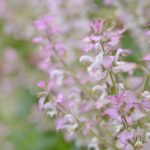
Clary Sage
A calming aromatic oil traditionally used for relaxation and menstrual or menopausal support.
Clary Sage (Salvia sclarea) is a tall, aromatic perennial native to the Mediterranean, cultivated for its essential oil obtained from the flowering tops. The oil is characteristically rich in linalyl acetate (about 50–75%), linalool (9–15%) and sclareol, producing a warm, musky‑amber fragrance; dried flowering tops are also used as an herbal infusion.
Traditionally and in research contexts, clary sage essential oil has been used as an antispasmodic, mild sedative/ansiolytic, anti‑inflammatory and antifungal botanical, and for symptom relief related to menstrual irregularities and menopause. Common practical guidance favors topical dilution (for example, roughly one drop of essential oil to 3–4 drops of carrier oil) and application by massage or inhalation. Clary sage oil is contraindicated in hormone‑dependent cancers, during pregnancy and breastfeeding, and in children under 12, and its topical use is often avoided during the luteal/second half of the menstrual cycle. Individual responses vary and this information is intended for educational purposes, not as medical advice.
At a Glance
A Mediterranean perennial in the mint family, clary sage yields aromatic flowering tops that are harvested for steam-distilled essential oil.
The oil is distinguished by very high linalyl acetate content and has traditional uses as an antispasmodic, mild sedative/ansiolytic and for menstrual or menopausal support.
Dried flowering tops are also used as an infusion. Practical use typically focuses on topical dilution of the essential oil or inhalation, and individual responses vary.
| Common name |
|
|---|---|
| Scientific name | Salvia sclarea |
| Plant family | Lamiaceae |
| Origin | Mediterranean basin |
| Parts used | Flowering tops |
| Active compounds |
|
| Main benefits |
|
| Available forms |
|
Origin & History
Clary sage (Salvia sclarea) is native to the Mediterranean basin and belongs to the mint family (Lamiaceae). A perennial or biennial with a tall, aromatic habit, it prefers dry, sunny sites and well‑drained soils; plants are typically harvested for their flowering tops between June and September and are not tolerant of prolonged temperatures below −7°C.
Across Mediterranean cultures clary sage has a long history of use in traditional medicine and as a fragrance plant: the flowering tops were used in infusions and the steam‑distilled oil for topical and aromatic applications, while cultivated strains were selected for high sclareol content. In perfumery, sclareol from clary sage has been valued as an amber‑scented fixative and stabilizer in many fragrances. The species is now grown beyond its native range (including parts of Europe, China and North America) for both its essential oil and dried herbal material, and it has accumulated a variety of folk uses related to relaxation, menstrual and menopausal support and topical antimicrobial uses.
Composition & Active Compounds
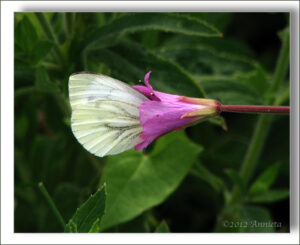
Clary sage is a tall, aromatic plant with a woody stem that typically reaches 40 cm to 1 m and sometimes grows taller. Leaves are broad, toothed and softly hairy, and the plant produces white to purple flowers from June to August. Flowering tops are harvested for steam-distilled essential oil or dried for infusions. The essential oil is dominated by linalyl acetate (about 50–75%), with linalool (9–15%), sclareol (0.5–2.5%), germacrene D and beta-caryophyllene as other notable constituents. These compounds shape the oil’s fragrance and are associated with its traditional aromatic and topical uses.
Linalyl acetate is the most abundant constituent and largely defines clary sage oil’s aroma and many of its reported effects.
- Linalyl acetate: Major ester (50–75%), contributes to aroma and is associated with antispasmodic and calming effects.
- Linalool: Monoterpene alcohol (9–15%), floral-citrus scent, associated with anti-inflammatory and calming properties.
- Sclareol: Diterpene alcohol (0.5–2.5%), linked to estrogen-like activity and valued as a perfumery fixative.
- Germacrene D: Sesquiterpene contributing to aroma and reported antifungal activity.
- Beta-caryophyllene: Sesquiterpene with a spicy note, associated with anti-inflammatory effects.
Properties & Effects
Clary sage has been traditionally used for its aromatic essential oil and infusions, often applied for relaxation, menstrual and menopausal complaints, and topical applications. Its uses in folk and clinical contexts focus on vapour or diluted topical use rather than internal high‑dose administration.
The oil’s estrogen‑like activity is notable and may help with menopausal and menstrual symptoms in some people.
- Hormonal regulator: May support relief of menopausal symptoms and menstrual irregularities in some people.
- Antispasmodic: May help reduce muscle spasms and menstrual cramping.
- Anti-inflammatory: May support reduction of minor inflammatory discomfort.
- Analgesic: May provide mild short‑term relief of pain such as muscular or menstrual pain.
- Anxiolytic and sedative: May help reduce feelings of anxiety and promote mild relaxation.
- Antifungal: May exhibit activity against certain topical fungal organisms.
- Circulatory support: May help with minor circulatory complaints such as heavy legs, varicose veins or hemorrhoids.
Dosage & How to Use
Typical topical and aromatic dosages from traditional practice are listed below.
| Menopause, premenopause, menstrual disorders |
|
|---|---|
| Circulatory disorders |
|
| Mood changes, anxiety, emotional fatigue | Smell the essential oil directly from the bottle. |
Safety, Side Effects & Contraindications
Clary sage essential oil should be used cautiously because it is not appropriate for everyone; some groups are specifically advised to avoid it. Known safety guidance identifies groups and timing where use is contraindicated, and individual reactions can vary so lower exposures and proper dilution are commonly recommended.
Because clary sage oil contains constituents with estrogen‑like activity, people with hormone‑sensitive conditions or those taking hormonal therapies should consult a healthcare professional before using it. If any adverse reaction occurs, discontinue use and seek medical advice; topical oils should be diluted according to practice guidance and inhalation used with caution.
- Hormone-dependent cancer: Contraindicated; do not use.
- Pregnancy and breastfeeding: Do not use during pregnancy or while breastfeeding.
- Children: Not for use in children under 12 years of age.
- Luteal/second half of menstrual cycle: Avoid use during the second part of the menstrual cycle (from day 14 onward).
Contains estrogen-like constituents; avoid if you have hormone-dependent cancer, and do not use during pregnancy, breastfeeding, or in children under 12; consult a healthcare professional before use.