Herb

  • Valerian

    Valerian root is a traditional Eurasian herb used for its calming, mildly sedative reputation and long history in herbal medicine. Underground parts such as roots and rhizomes are processed into powders, extracts and tinctures and are the primary materials used in supplements. Effects vary by individual.

  • Milk Thistle

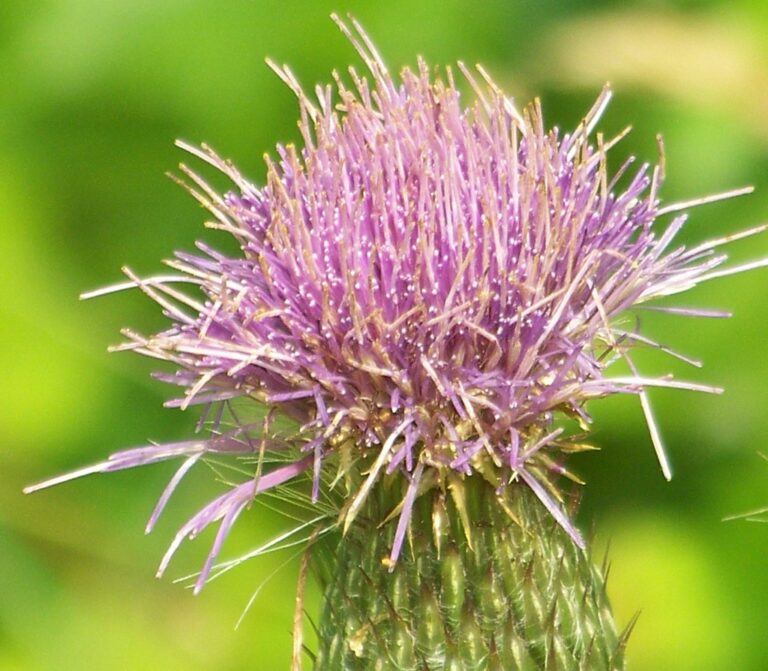
    Milk thistle is a biennial Asteraceae herb whose seeds are rich in silymarin and traditionally used for liver and biliary complaints. Silymarin is a seed‑derived flavonolignan complex studied for antioxidant and hepatoprotective activity, though effects vary by individual. Consider professional guidance before supplementing.

  • Echinacea

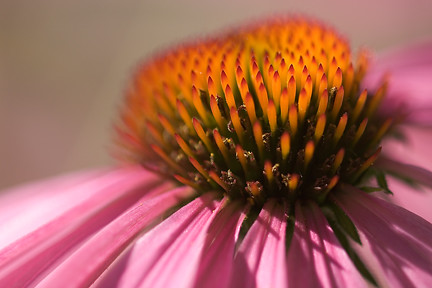
    Echinacea is a North American perennial used in herbal practice for immune support and topical wound care. Roots, leaves and flowers are prepared as tinctures, powders and extracts with alkylamides, phenolics, flavonoids and polysaccharides. Individual responses and safety considerations vary.

  • Ginger

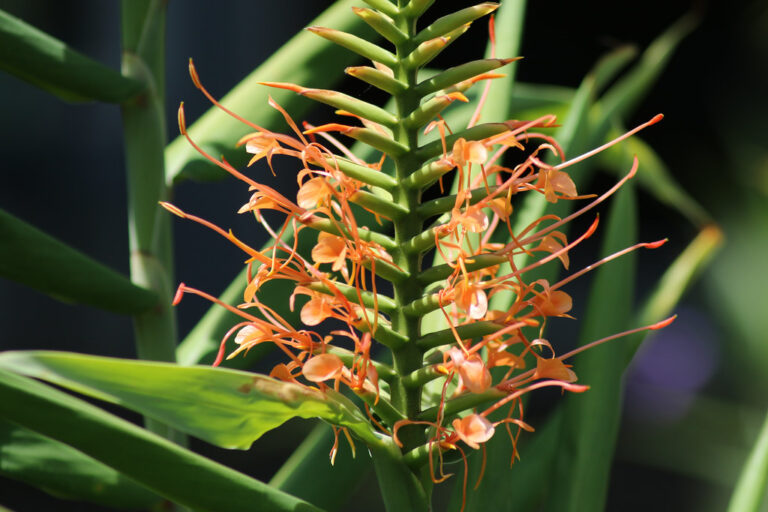
    Warm, aromatic rhizome used as spice and traditional tonic with phenolics like gingerol and shogaol. Research and traditional use point to antioxidant, anti-inflammatory and anti-nausea roles, though responses vary by individual. Use and tolerability depend on dose and personal health.

  • Turmeric

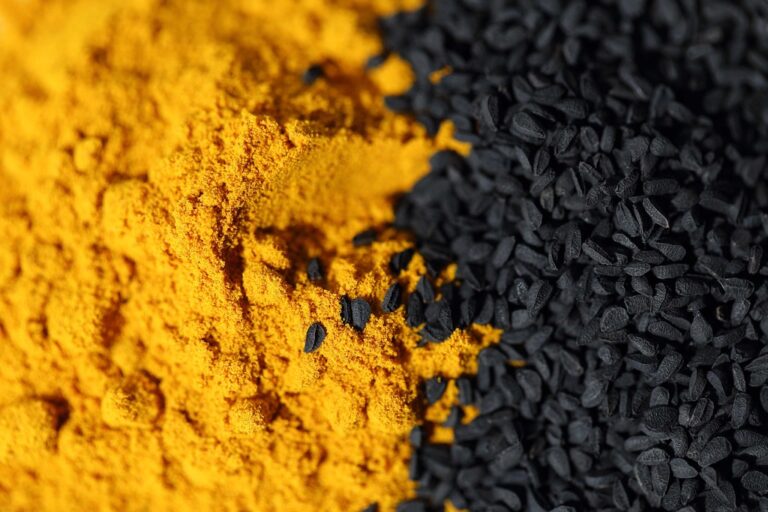
    Turmeric is an aromatic rhizome used for millennia as a spice, dye and traditional remedy originating in India and Southeast Asia. Modern interest centers on its curcuminoids and their anti-inflammatory and antioxidant properties, though individual responses vary. Consider formulation and dosing when using supplements.

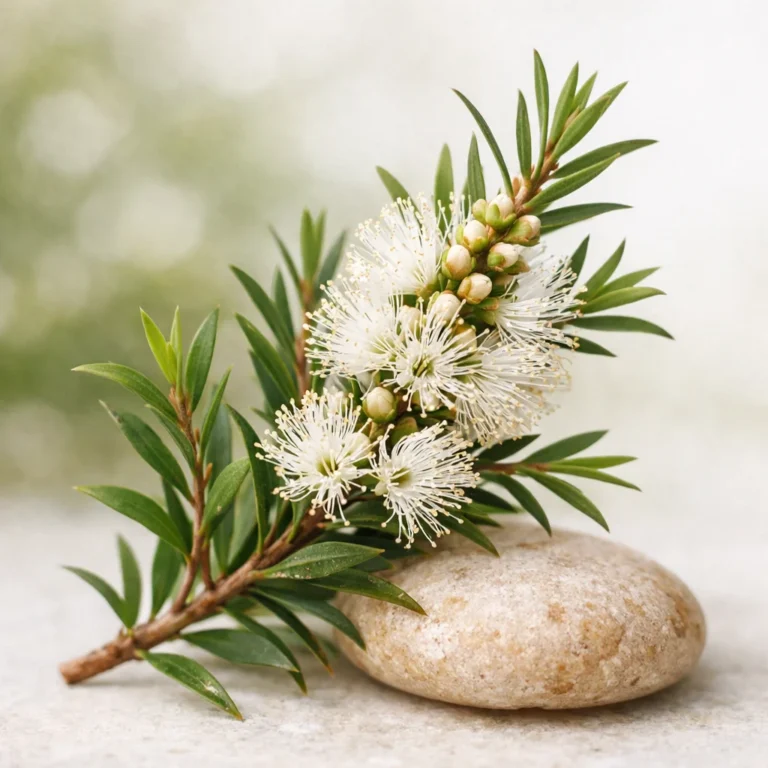
  • Tea Tree

    Tea tree oil, distilled from Melaleuca alternifolia leaves, is widely used in topical products and aromatherapy for its traditional cleansing and toning roles. It is valued for broad-spectrum antimicrobial and skin-supporting applications, though individual responses vary and products are highly concentrated.

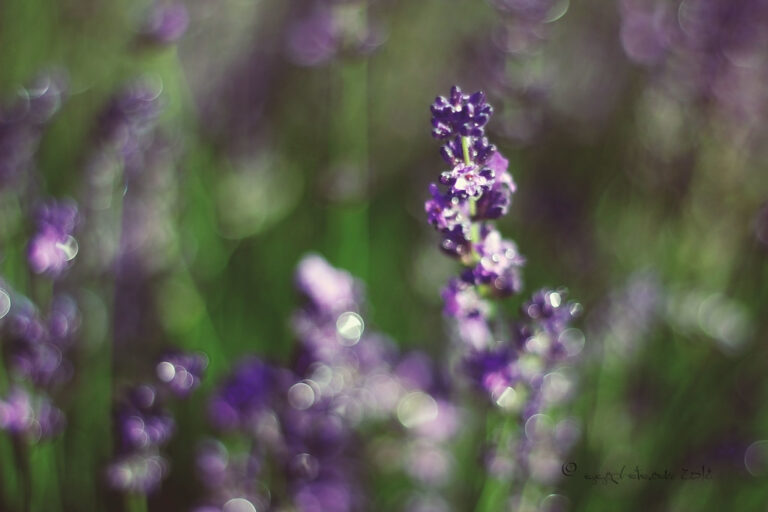
  • True Lavender

    True Lavender is a fragrant Mediterranean subshrub whose flowering tops yield an essential oil widely used in aromatherapy and topical care. Its essential oil is valued for calming aroma and skin‑soothing applications. Effects vary by individual; follow dilution guidance and seek professional advice.

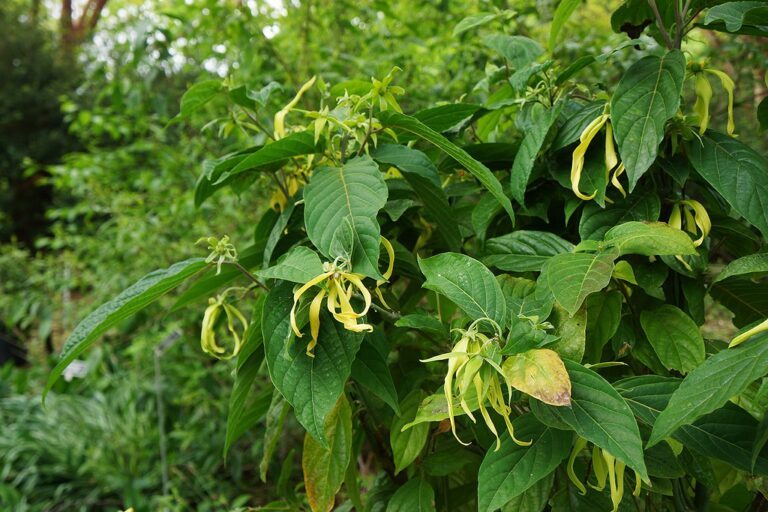
  • Ylang Ylang

    Ylang ylang is a tropical tree whose fragrant flowers yield an essential oil prized in perfumery and aromatherapy for calming and hair care uses. The distilled flower oil is applied by diffusion, topical dilution and occasional small oral use in traditional aromatherapy contexts.