
Valerian
A Eurasian herb whose underground parts are prized for calming properties and traditional use for nervousness and sleep disturbances.
Valerian (Valeriana officinalis) is a perennial Eurasian herb whose underground parts—roots, rhizomes and stolons—are used in traditional herbal medicine for their calming and mildly sedative properties. The dried root releases a distinctive aroma and has a long history of use by classical physicians; it is commonly used today to address mild nervous tension and sleep disturbances associated with anxiety or stress.
Key constituents include valepotriates, valerenic acid, valerenal and glutamine, and preparations are available as powdered root, dry extracts, fluid extracts, tinctures and infusions. Typical supplement doses reported for powdered root range from 500 mg to 2 g per day with short-term use generally advised (up to six weeks). Valerian is not recommended for people with hepatic disorders, pregnant or breastfeeding individuals, or children under 12; side effects are uncommon but can include headache, dizziness, nausea or abdominal discomfort, and sedative effects may reduce alertness. Uses and effects vary by individual, so consult product labeling or a healthcare professional for personalized guidance.
At a Glance
Valerian is a perennial herb native to temperate Eurasia whose underground parts have been used traditionally for calming and mild sedative effects.
Its dried roots, rhizomes and stolons are processed into powders, dry and fluid extracts, tinctures and infusions and are the primary medicinal parts.
| Common name |
|
|---|---|
| Scientific name | Valeriana officinalis |
| Plant family | Valerianaceae |
| Origin | Eurasia |
| Parts used |
|
| Active compounds |
|
| Main benefits |
|
| Available forms |
|
Origin & History
Valeriana officinalis is native to temperate and subpolar regions of Eurasia and prefers cool, moist soils. It commonly grows in ditches, wet woodlands and along streams, is found up to 1000 metres altitude, and is cultivated in several European countries as well as in Russia and North America; the underground parts (roots, rhizomes and stolons) are usually harvested in autumn and dried for use.
Classical physicians such as Hippocrates, Dioscorides and Galen recommended valerian to relieve sleep disturbances and nervous tension. The species was also noted by Pliny the Elder for spasms and nervous contractions and has long been part of European herbal traditions; dried root emits a distinctive aroma that attracts cats, which contributed to its popular name as a cat-attracting herb.
Composition & Active Compounds
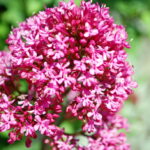
Valerian is a tall perennial herb with a vertical rhizome, numerous roots and occasional stolons; the aerial stem can reach around 2 metres and bears opposite leaves and clusters of small white to pink flowers. The main chemical constituents reported in the underground parts include valepotriates, valerenic acid, valerenal and glutamine, alongside an essential oil fraction; these constituents are the focus of phytochemical and pharmacological research because they are believed to contribute to the plant’s calming and mild sedative reputation.
The underground roots, rhizomes and stolons are the parts most used in supplements and traditional preparations.
- Valepotriates: unstable iridoid esters (examples include valtrate and isovaltrate) present in the root and rhizome.
- Valerenic acid: a sesquiterpenic acid reported as a major marker compound in valerian preparations.
- Valerenal: an aldehyde component found in the underground parts.
- Glutamine: an amino acid detected in root material.
Related Herbs
Properties & Effects
Valerian is traditionally used as a calming herb and mild sedative to address nervous tension and sleep-related complaints.
Its sedative effects and use for sleep difficulties are the most widely documented traditional applications.
- Sedative effect: research and traditional use suggest it may support reduction of mild sleep disturbances and make it easier to fall asleep.
- Calming and relaxing: traditionally used to help reduce mild nervous tension, stress and agitation.
- Muscle spasm relief: traditionally used to ease spasms or muscle tension of nervous origin.
Dosage & How to Use
Dosage depends on form and product; the following guidance reflects reported uses for powdered root and supplements.
| Powdered root |
|
|---|---|
| Dietary supplements |
|
Safety, Side Effects & Contraindications
Valerian is generally well tolerated but should be avoided by people with liver disorders; as a precaution it is not recommended for pregnant or breastfeeding individuals or for children under 12. Uses and effects vary by individual, so consult a healthcare professional or product labeling for personalised guidance.
Reported side effects are uncommon and usually mild, including headache, dizziness, nausea and abdominal discomfort. Use beyond six weeks may be associated with sleep disturbance, and abrupt discontinuation has been reported to cause a transient state featuring palpitations and agitation in some cases. The herb’s sedative effect can reduce alertness, so avoid driving or operating machinery while taking valerian.
- Contraindicated in hepatic disorders: people with liver disease should avoid use.
- Pregnancy and breastfeeding: not recommended as a precaution.
- Children under 12: use not recommended.
- Reduced alertness: may impair driving or operation of dangerous machinery.
Not recommended for people with liver disorders, pregnant or breastfeeding individuals, or children under 12; sedative effects may impair alertness — consult a healthcare professional before use.