
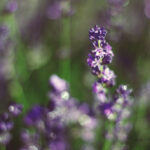
True Lavender
A fragrant Mediterranean herb with a sweet summer aroma, commonly used in aromatherapy and topical preparations for its soothing scent.
True Lavender (Lavandula angustifolia), also called fine or officinal lavender, is a Mediterranean perennial subshrub valued for its sweet summer fragrance and the essential oil distilled from its flowering tops. The plant’s compact grey‑green foliage and purple flower spikes are widely cultivated for aromatherapy, perfumery and topical preparations.
The essential oil is rich in monoterpenols such as linalool and esters like linalyl acetate and has been investigated for calming effects when diffused, as well as for topical soothing and antimicrobial activity. Uses and effects may vary by individual; appropriate dilution, product quality and professional advice are recommended—especially for children, pregnant or breastfeeding people, and those with respiratory conditions.
At a Glance
A compact Mediterranean subshrub prized for fragrant purple flower spikes and for the essential oil obtained from its flowering tops.
The essential oil is rich in monoterpenols such as linalool and esters like linalyl acetate and is used in aromatherapy and topical preparations.
| Common name |
|
|---|---|
| Scientific name |
|
| Plant family | Lamiaceae |
| Origin | Mediterranean region |
| Parts used | Flowering tops |
| Active compounds |
|
| Main benefits |
|
| Available forms |
|
Origin & History
True Lavender is native to the Mediterranean basin, where it thrives in sunny, dry, rocky soils and open landscapes. The plant has been valued for its fragrance and practical uses since antiquity; its Latin name is linked to lavandaria, meaning items washed, reflecting early use in baths, linens and perfumery.
From the Middle Ages, lavender was cultivated in monastery gardens and used in fumigations and washes to scent clothing and living spaces. In more recent centuries cultivation expanded across southern Europe, with France and Bulgaria emerging as important producers; the distilled essential oil became central to perfumery, household fragrance and traditional topical applications in many cultures.
Composition & Active Compounds
True Lavender is a low perennial subshrub 20–60 cm tall with compact grey‑green, hairy leaves and upright stems bearing purple‑blue flower spikes; the flowering tops are the primary material for distillation and herbal preparations. Its chemistry is dominated by an essential oil rich in monoterpenols and esters, together with monoterpenes, sesquiterpenes and a range of polyphenols such as tannins, flavonoids and rosmarinic acid derivatives; these constituents shape the plant’s aroma and are the focus of much topical and aromatic use. Linalool is a principal active constituent and the flowering tops are the main part used to obtain the essential oil for supplements and topical products.
- Linalool: monoterpenol contributing to fragrance and associated with calming and topical soothing effects
- Linalyl acetate: ester that influences aroma and is abundant in true lavender oil
- β‑ocimene (trans and cis): monoterpene components of the volatile profile
- β‑caryophyllene: sesquiterpene present in the essential oil
- 1,8‑Cineole: oxygenated monoterpene occurring as a minor component
- Camphor: ketonic component present in small amounts
- Tannins: polyphenolic compounds in the flowering tops
- Flavonoids: polyphenols contributing to antioxidant activity
- Coumarin derivatives: aroma‑active phenolic compounds
- Rosmarinic acid derivatives: characteristic phenolic acids in the herb
- Triterpenes: non‑volatile constituents of the plant material
- Phytosterols: plant sterols found in the aerial parts
Properties & Effects
True Lavender is traditionally known for its fragrant flowering tops and for use as an aromatic and topical herb in calming and skin care applications. Research suggests it is particularly noted for promoting relaxation and reducing stress when used in diffusion or aromatic preparations.
- Relaxation and stress reduction: Research suggests it may support relaxation and help reduce feelings of stress or mild agitation when used in diffusion.
- Skin soothing: Traditionally used topically to soothe minor skin irritations such as insect bites, minor burns and small cuts when properly diluted.
- Antimicrobial: May have antimicrobial properties appreciated in diffusion for air purification and in topical care of small wounds when applied appropriately.
- Skin healing and regeneration: Traditionally used to support wound healing and skin regeneration in minor superficial skin injuries when applied diluted.
- Antispasmodic and muscle relaxant: May support relief of muscle tension and spasms when used in massage preparations.
Dosage & How to Use
Follow dilution guidance for topical use and the manufacturer’s instructions for diffusion.
| Topical (skin application) |
|
|---|---|
| Diffusion |
|
Safety, Side Effects & Contraindications
True Lavender essential oil is generally well tolerated and the available information reports no specific universal contraindications. Medical advice is recommended before use in children, people who are pregnant or breastfeeding, and in individuals with asthma.
Known adverse effects can include skin irritation or allergic reactions when applied undiluted; there is also a risk of overdose with any essential oil if misused. Always dilute before topical application and consider consulting a healthcare professional if taking medications or managing chronic health conditions.
- Children: seek medical advice before use
- Pregnancy and breastfeeding: consult a healthcare professional prior to use
- Asthma: obtain medical advice before use
- Patch test: perform a tolerance patch on the elbow fold before broader skin application
- Dilution requirement: essential oil should be diluted before topical use (perform a patch test)
- Overdose risk: use with caution and follow recommended dilution and dosing guidance
Consult a healthcare professional before using True Lavender if pregnant, breastfeeding, for children, or if you have asthma; dilute essential oil before topical use and perform a patch test.