Herb

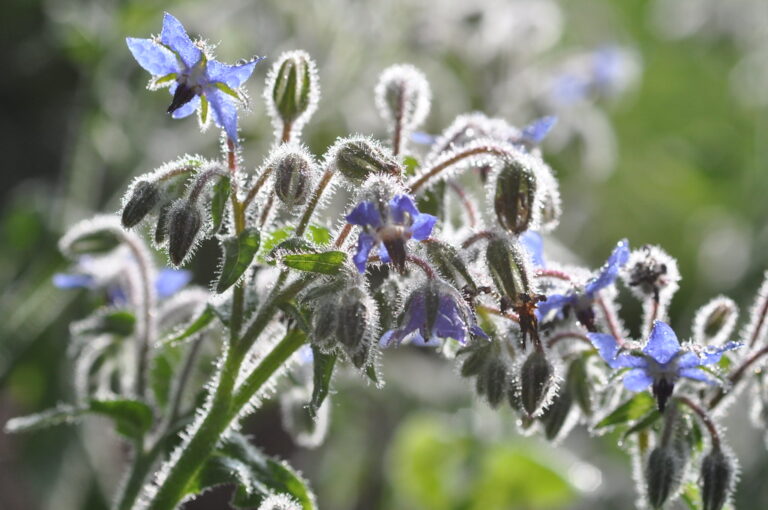
  • Borage

    Borage is an annual Mediterranean herb prized for edible leaves and a seed oil high in gamma-linolenic acid, used in topical and oral preparations. Clinical research has explored seed oil for reducing symptoms in rheumatoid arthritis. Safety varies by preparation; aerial parts can contain hepatotoxic pyrrolizidine alkaloids.
  • Black Seed

    Black Seed (Nigella sativa) has been used across the Mediterranean and Southwest Asia for culinary and traditional purposes, processed into seeds, oils and supplements for antioxidant and immune-supportive roles. Cold‑pressed oil with thymoquinone is commonly used in capsules at 1,000–2,000 mg daily.

  • Black Radish

    Black Radish is a pungent winter root prized in culinary and herbal traditions for its dense flesh and high glucosinolate content. Traditionally used to support bile flow, digestion and urinary drainage, it is valued as a detoxifying and liver‑supporting vegetable. Preparation and doses vary by product.

  • Black Garlic

    Aged and fermented from ordinary garlic, black garlic develops a soft, sweet‑umami profile and concentrated antioxidant compounds during prolonged heating and humidity. Research highlights its antioxidant and anti-inflammatory activity and its use as a culinary ingredient or dietary supplement. Individual responses may vary.

  • Birch

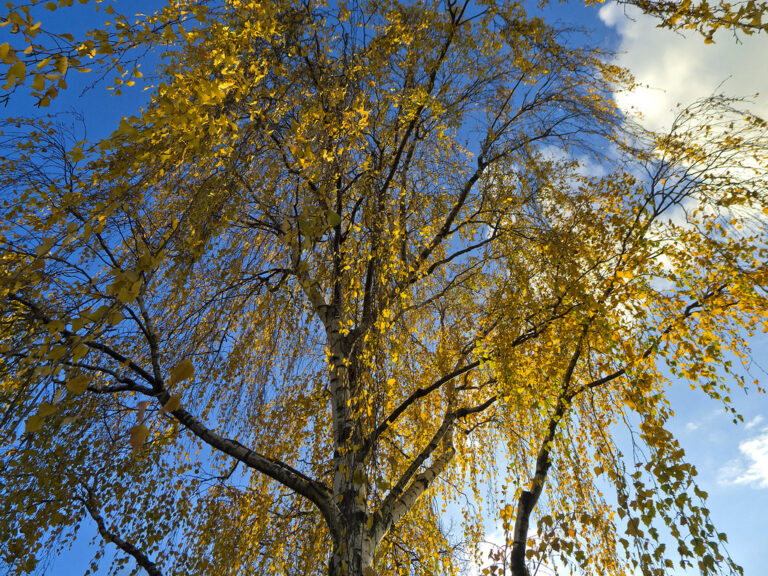
    Slim European tree used in traditional herbalism for diuretic and depurative support. Birch preparations—leaves, bark, sap and buds—are commonly used to promote fluid elimination and support joint comfort. Some people may experience gastrointestinal or allergic reactions. Consult a healthcare professional if you have cardiac, renal, pregnancy or pollen sensitivities.

  • Baccharis

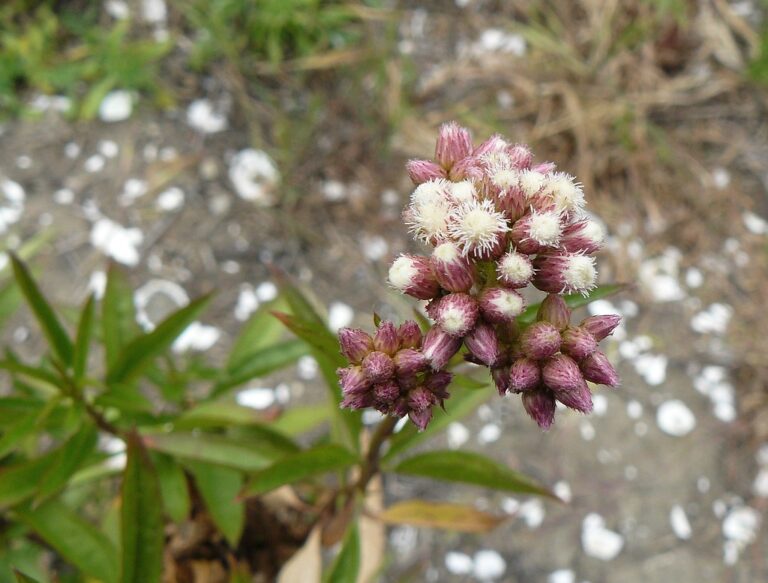
    A South American perennial used for digestive complaints and liver support, Baccharis contains flavonoids and terpenoids studied for gastroprotective and hepatoprotective effects. Traditional preparations use ten to fifteen grams of dried aerial parts per half litre of water as an infusion. Individual responses vary and caution is advised.

  • Bamboo

    Resin from bamboo (tabashir) is prized for its high silica and mineral content and is traditionally used as a remineralizing and anti‑rheumatic preparation. Products are commonly sold as powders, capsules or tablets with reported daily ranges around 400–900 mg. Effects and tolerability can vary between individuals.

  • Artichoke

    Artichoke leaves are used in traditional herbalism and supplements for digestive comfort and support of healthy lipid processing. Leaf extracts contain phenolic acids and flavonoids and are often used to promote bile flow and metabolic clearance. Tolerability varies by individual; follow product guidance.

  • Angelica

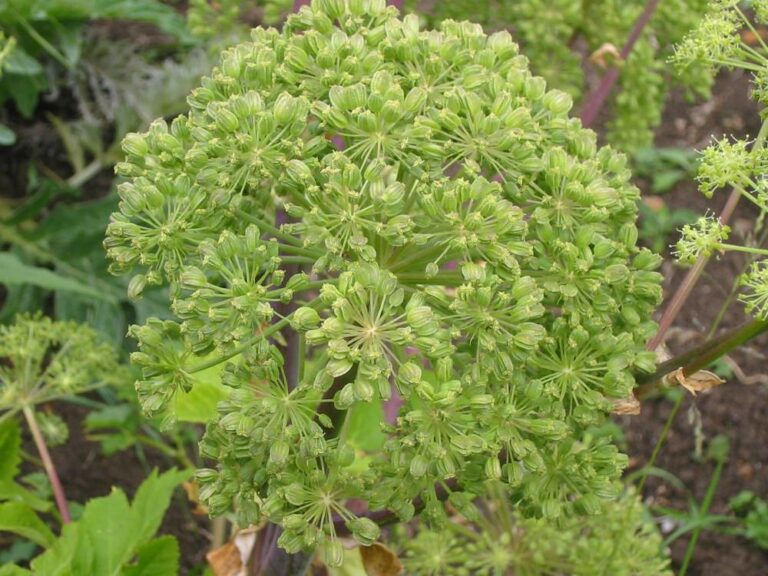
    Angelica is a tall northern European herb prized for its large root and traditional use in digestive, tonic and folk medicine preparations. Root extracts are commonly used to support digestive comfort and appetite while some compounds can cause photosensitivity in some people.

  • Annatto

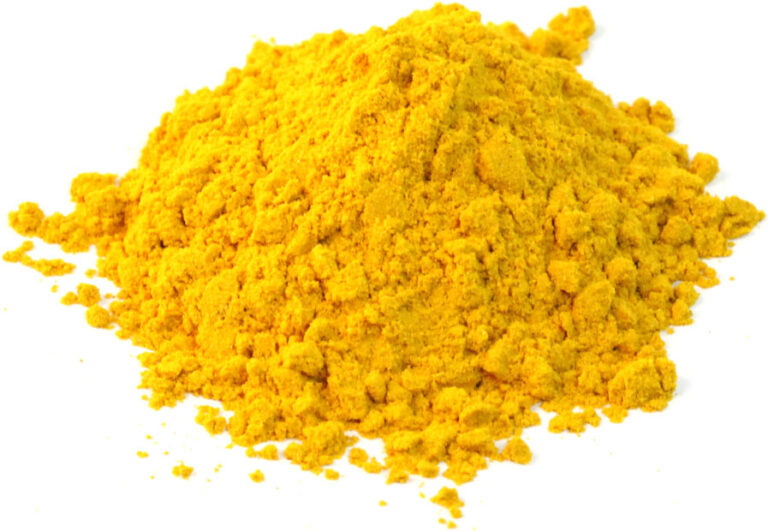
    Annatto seeds yield red‑orange pigments used widely as natural food colorants and in cosmetic and tanning preparations, valued for antioxidant and anti‑inflammatory properties. Seed pigments such as bixin and norbixin are the primary active constituents studied for protective skin and coloring uses.

  • Aloe Vera

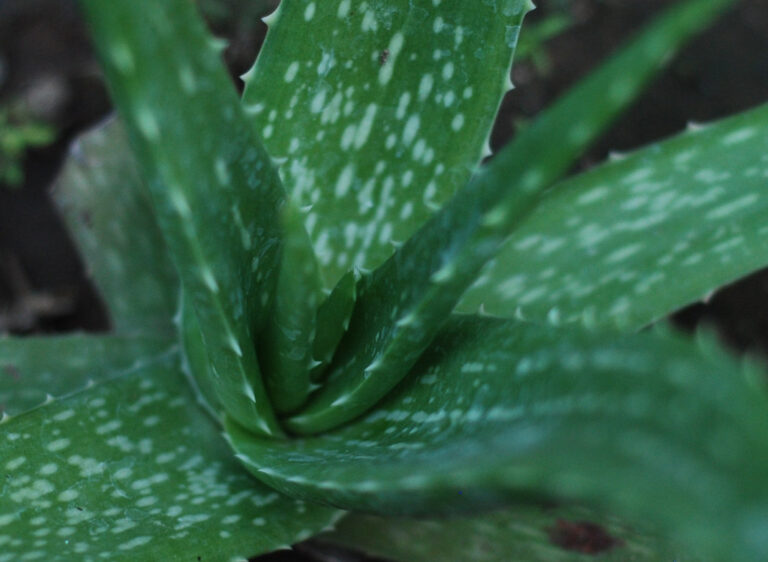
    Aloe Vera is a stemless succulent whose leaves contain a clear mucilaginous gel and a bitter latex; the gel is used for topical hydration and skin support while the latex is associated with oral laxative effects. Use, effects and safety can vary and interactions or contraindications are possible.

  • Ashwagandha

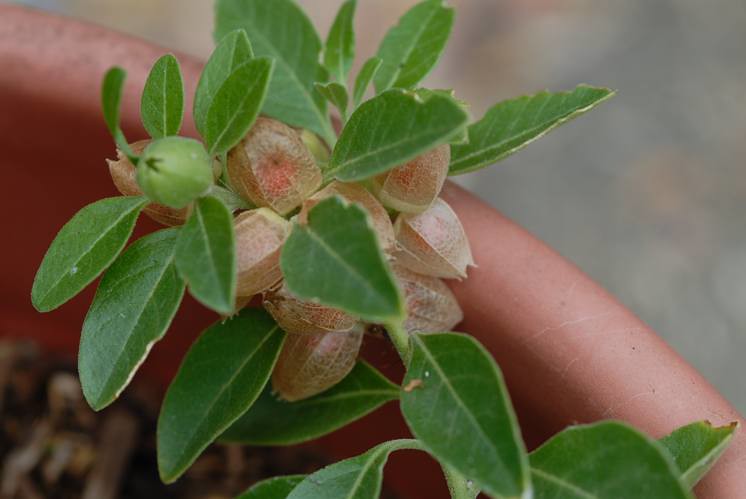
    Ashwagandha root is a traditional Ayurvedic tonic used to support stress resilience, vitality and recovery during demanding periods. Standardized root extracts and powdered root are commonly used in supplements and traditional preparations. Individual responses vary and certain groups should avoid use or consult a healthcare professional.