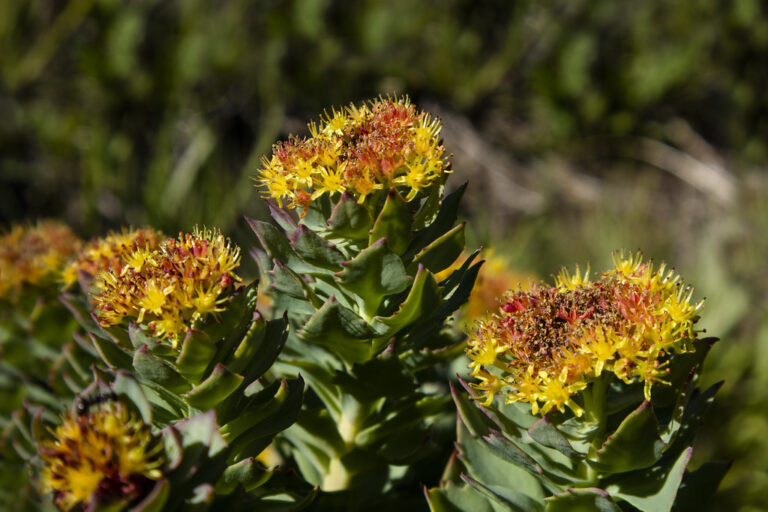
Herb

  • Rhodiola

    Rhodiola is a hardy northern‑rooted herb traditionally used to support resilience to stress, reduce fatigue and support mental and physical stamina. Standardized root extracts (often checked for rosavins and salidroside) are used in supplements at commonly cited doses of 100–300 mg per day.

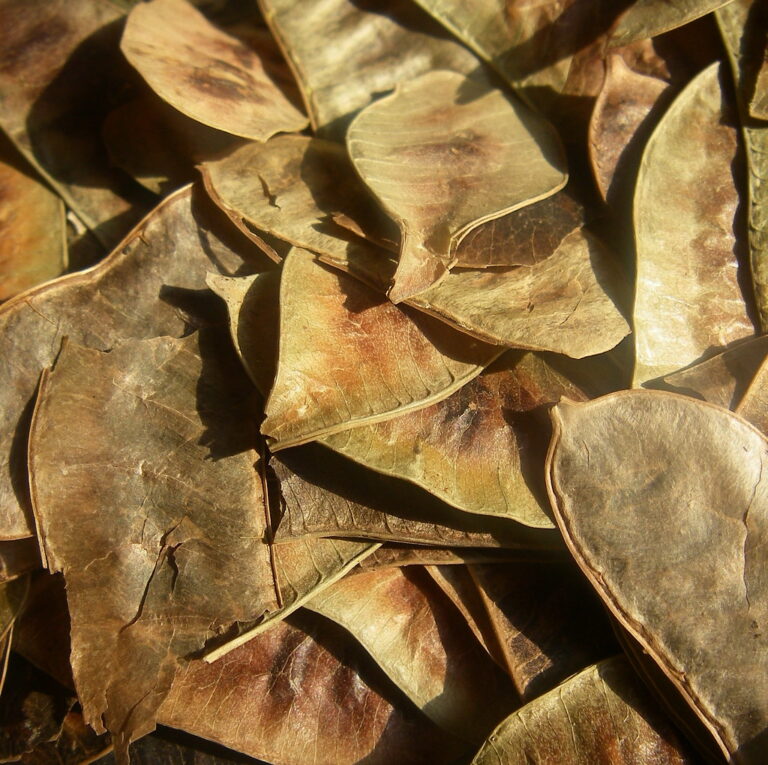
  • Red Clover

    Red Clover is a short‑lived legume valued for its purplish‑red flowering tops, used traditionally and as supplements for menopausal complaints and respiratory or skin uses. Flowering tops are notable for isoflavones that have been studied in relation to menopausal symptom relief.

  • Psyllium

    Psyllium is a mucilaginous seed used to regulate bowel consistency and support regularity, valued for its water‑absorbing soluble fibre. Individual responses vary and adequate fluid intake is essential. It can ease both constipation and loose stools by forming a gentle gel in the gut.

  • Peppermint

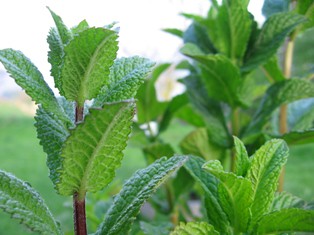
    Peppermint offers a menthol-rich aroma from its aerial parts and is commonly used in aromatherapy and herbal preparations for digestive comfort and topical cooling. Use varies by individual and concentrated essential oil requires careful dosing and precautions. Consult a professional for personal advice.

  • Passionflower

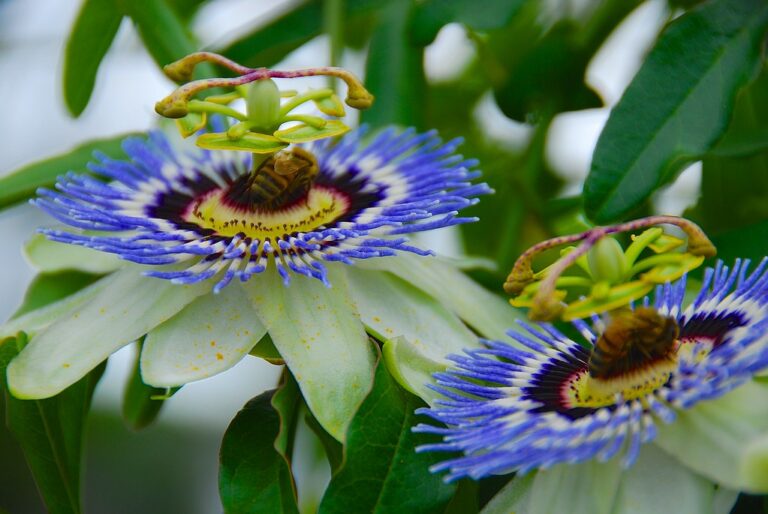
    Passionflower is a climbing vine whose leaves and flowers have long been used to calm nervous tension and support sleep. Traditional and preliminary clinical data suggest potential calming and sedative effects, though individual responses vary. It is commonly taken as an infusion, extract or capsule.

  • Pau d’Arco

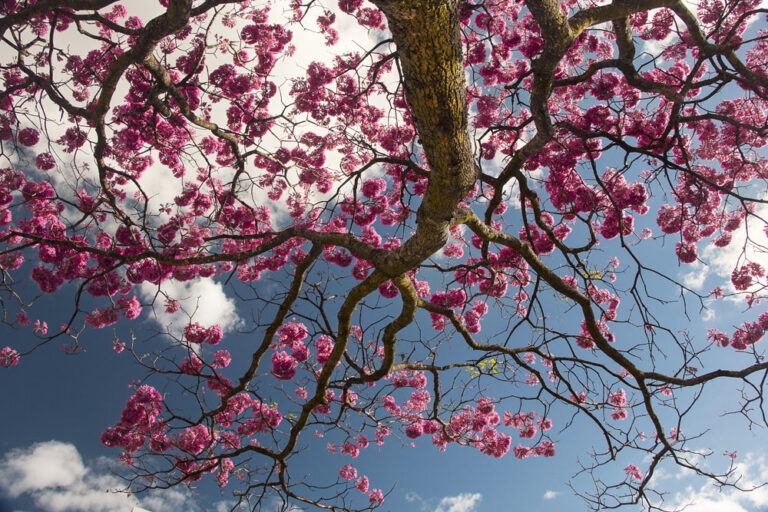
    A South American tree, Pau d’Arco’s inner bark has long been used in traditional medicine and is rich in naphthoquinones such as lapachol. It is most commonly used for its traditional antimicrobial and anti-inflammatory properties. Use and effects may vary; consult a professional before use.

  • Olive

    Olive leaf and fruit come from a Mediterranean evergreen used in traditional herbal practice and modern supplements for cardiovascular and metabolic support. Leaf extracts standardized for oleuropein are the most commonly used preparations. Effects vary by individual; consult a healthcare professional about use and dosing.

  • Nettle

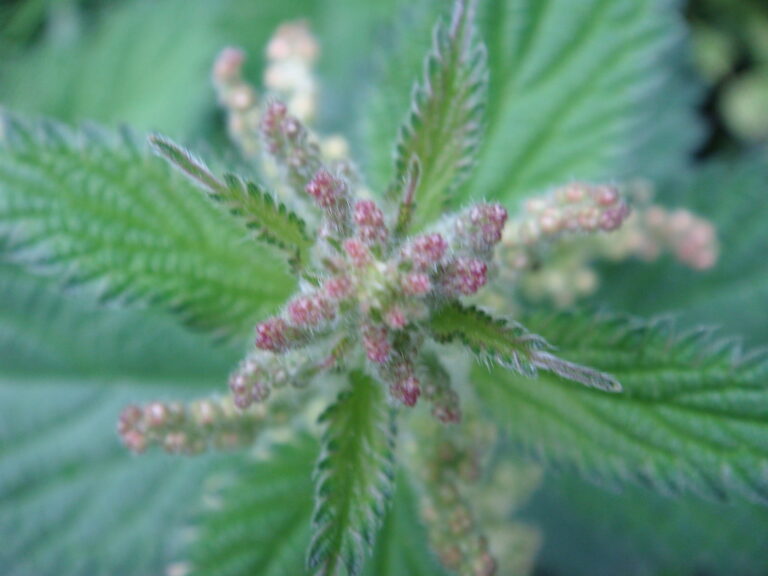
    Nettle is a nutrient-rich herb used for centuries for its remineralising, diuretic and depurative qualities. Leaves and roots supply minerals, vitamins and flavonoids in tinctures, infusions and powders. Effects vary by individual, and it may support general vitality when taken appropriately; consult a healthcare professional for personalised advice.

  • Mullein

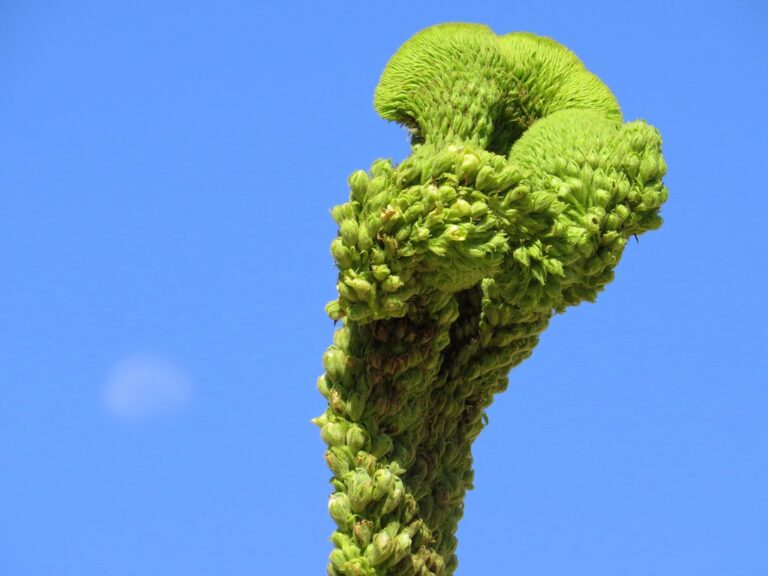
    Mullein is a woolly biennial herb used traditionally to soothe respiratory irritation and digestive discomfort. Leaves and flowers are prized for mucilage-rich, emollient preparations used for coughs and throat irritation. Effects and tolerability may vary by individual; consult a healthcare professional if unsure.

  • Muira Puama

    An Amazonian shrub used traditionally as a restorative tonic, muira puama’s bark and root are employed in tinctures and extracts for antifatigue and aphrodisiac uses, and is used globally in small doses in various formulations, often appearing in modern supplements. Limited clinical studies suggest possible benefits for sexual function, but individual responses vary.

  • Mulungu

    Mulungu is a South American Erythrina tree used traditionally for calming the nervous system and supporting restful sleep. It is valued for sedative and anxiolytic effects attributed to erythrina alkaloids and flavonoids, though individual responses and safety data are limited.

  • Mugwort

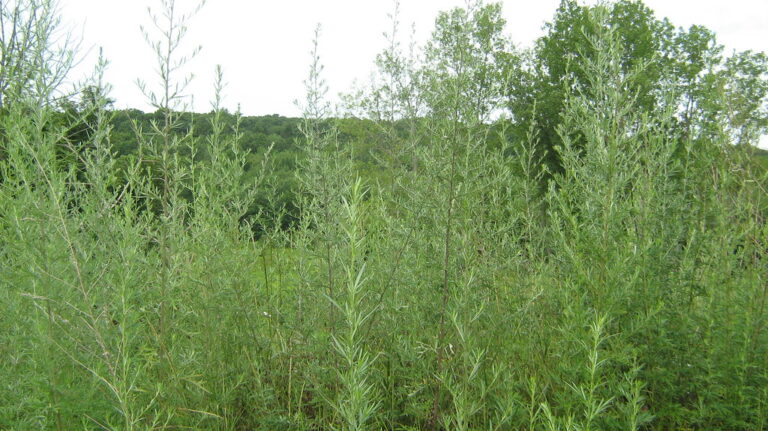
    Mugwort is a perennial Asteraceae herb traditionally used widely for migraine prevention and to ease painful menstruation, with dried flowers and fresh leaves used in preparations. Parthenolide is the main active constituent targeted in supplements. Responses and tolerability vary among individuals.