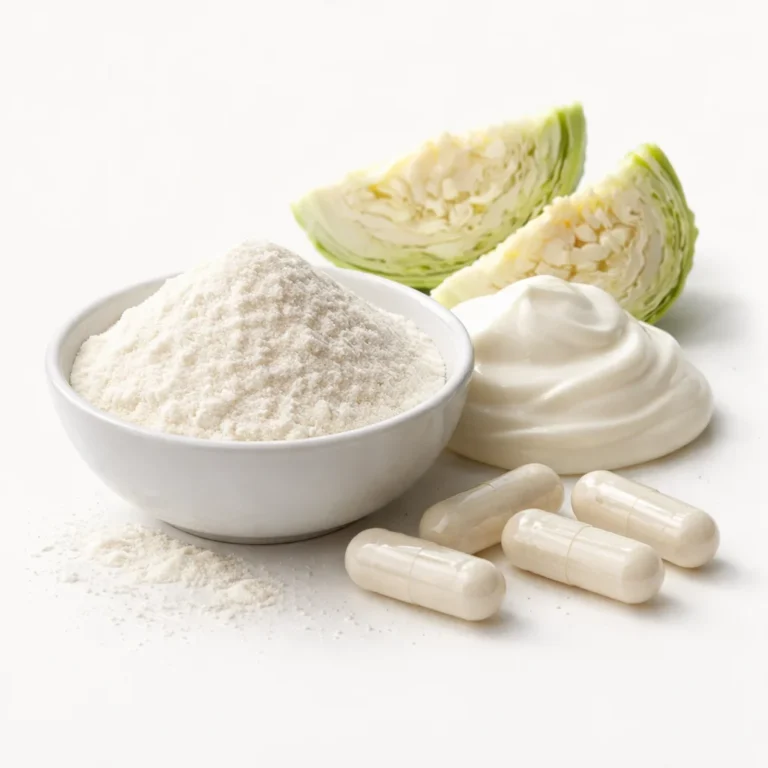
Digestion & Gut Health

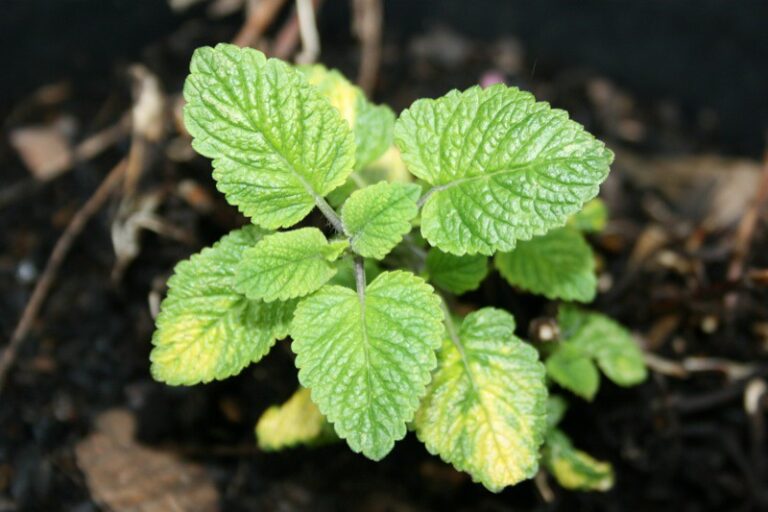
  • Lemon Balm

    Lemon balm is an aromatic perennial traditionally used for nervous tension and digestive discomfort, available as teas, extracts and topical products. Leaves are rich in rosmarinic acid and essential oils linked to calming and antioxidant effects. Individual responses vary; follow product instructions.

  • Lactic Ferments

    Lactic ferments are probiotic microorganisms commonly used in fermented foods and supplements to support intestinal balance and digestive comfort. They are supplied as single strains or multi-strain blends and effects vary by species and product. Individual responses and dosing depend on strain and formulation.

  • Konjac

    Konjac’s tuber is milled into glucomannan-rich flour used in food and supplements for digestive support and appetite control. The soluble fiber glucomannan is prized for its water-holding and viscous properties that influence satiety and intestinal transit. Effects vary by individual and dosing.

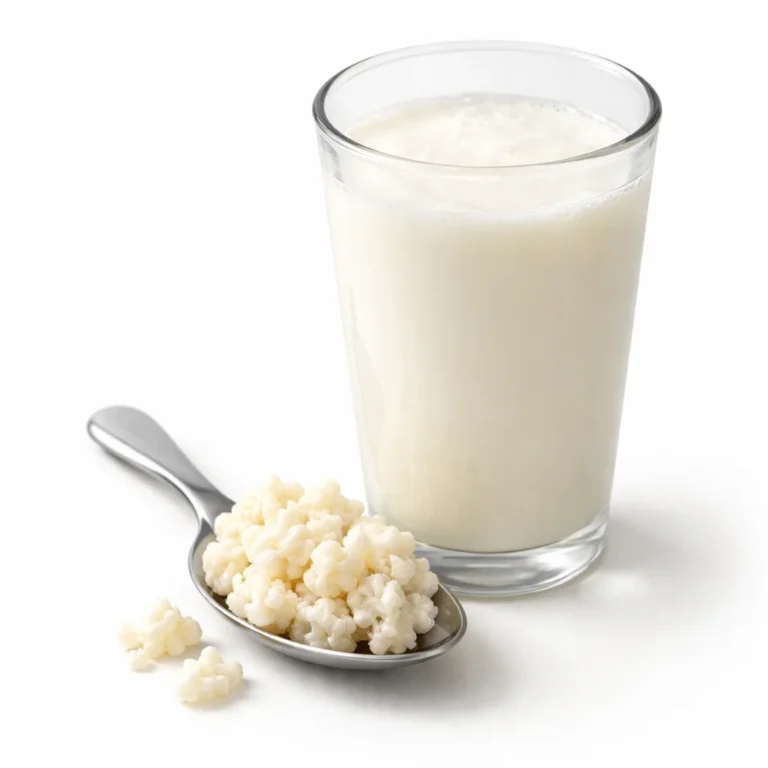
  • Kefir

    Kefir is a traditional fermented milk beverage rich in live cultures and the polysaccharide kefiran, widely enjoyed for digestive well‑being and culinary use. It is valued for introducing probiotics into the diet and for supporting intestinal flora balance in some people.

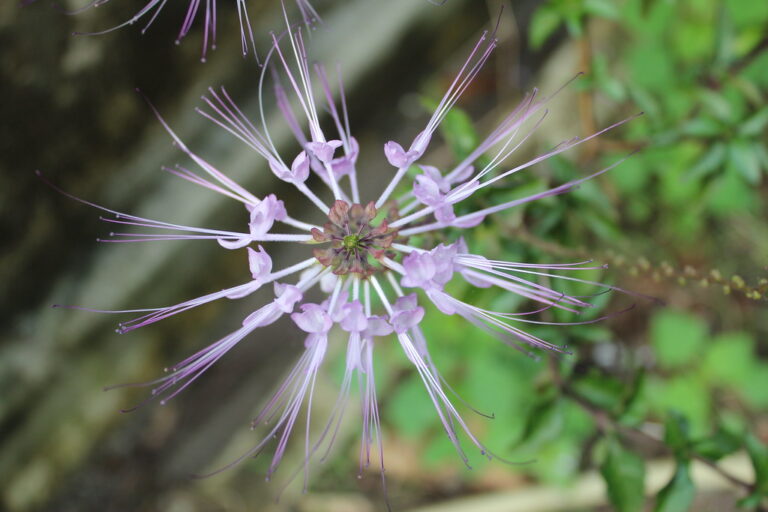
  • Java Tea

    Java Tea is a Southeast Asian herb traditionally brewed as an infusion to support urinary elimination and fluid drainage. Research highlights its diuretic and antioxidant properties while effects vary by individual. Consult a healthcare professional before use if you have kidney, heart or blood pressure concerns.

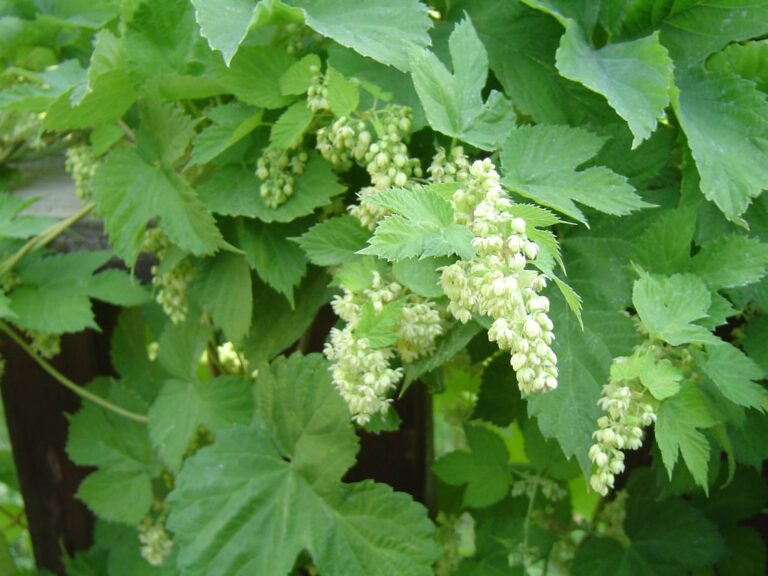
  • Hops

    Hops is a climbing perennial best known for brewing but also used in herbal practice for mild sedation, sleep support and digestive complaints. Its lupulin-rich female inflorescences are the part most commonly used in supplements. Effects vary by individual; consult a professional for safety.

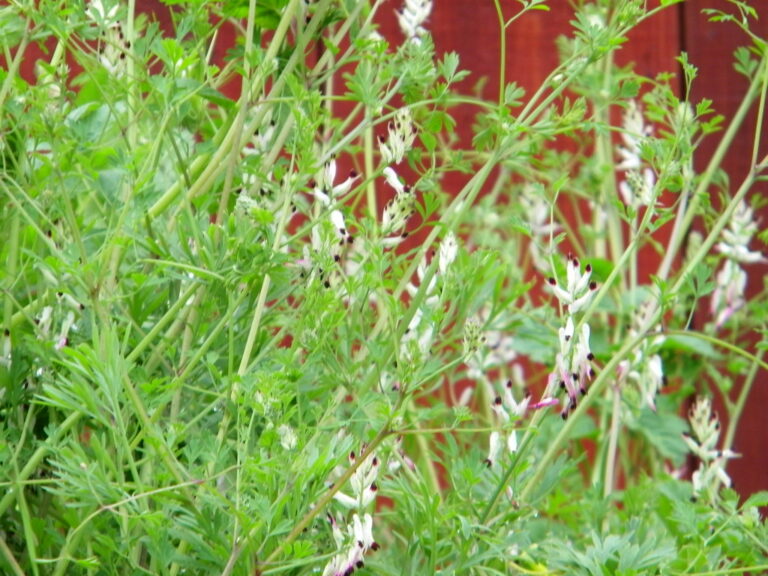
  • Fumitory

    Fumitory is a small perennial herb traditionally used to support liver, biliary and digestive function and commonly supplied as dry extracts and infusions. Research suggests hepatoprotective and spasmolytic properties, but effects vary by individual. Consult a professional if you have gallstones or high blood pressure.

  • Fennel

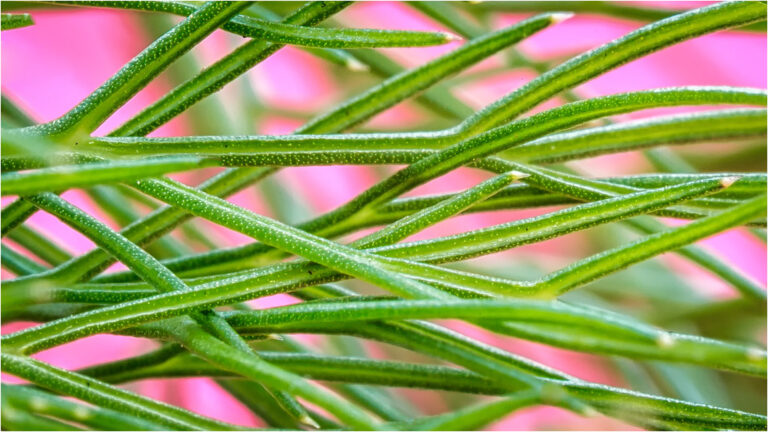
    Fennel offers anise‑like flavor and a long history of culinary and herbal use across the Mediterranean. Its seeds and roots are used in teas, extracts and essential oils for digestive comfort and mild expectorant support. Individual responses vary and precautions apply for pregnancy and allergy.

  • Fenugreek

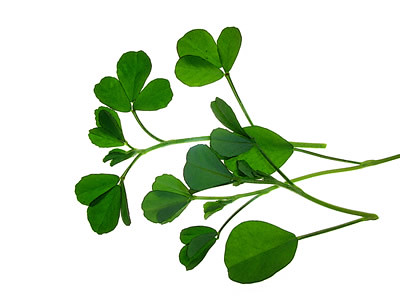
    Fenugreek is a Mediterranean annual whose seeds are used as spice and in traditional remedies for appetite, digestion, blood sugar and lactation support. Seeds contain compounds such as diosgenin, trigonelline and 4‑hydroxyisoleucine and are sold as whole seeds, powders and extracts.

  • Devil’s Claw

    Rooted in the semidesert landscapes of southern Africa, Devil’s Claw is a tuberous plant used traditionally for joint discomfort and digestive issues. Harpagophytum extracts are commonly standardized for harpagosides. Individual responses vary; follow dosing guidance and consult a professional for safety.

  • Desmodium

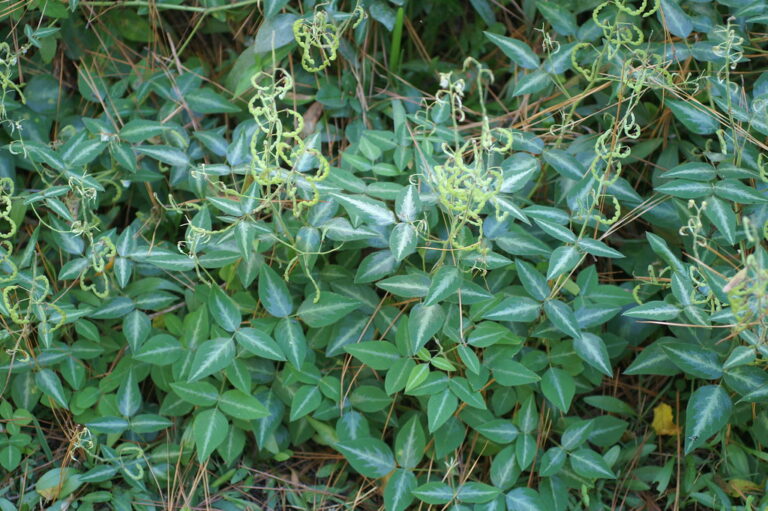
    Desmodium adscendens is a tropical herb used traditionally for liver support and to address spasmodic conditions. Leaves and stems are commonly used in supplements for their hepatoprotective and antispasmodic properties. Available as powders, extracts and capsules; effects vary by individual.

  • Dandelion

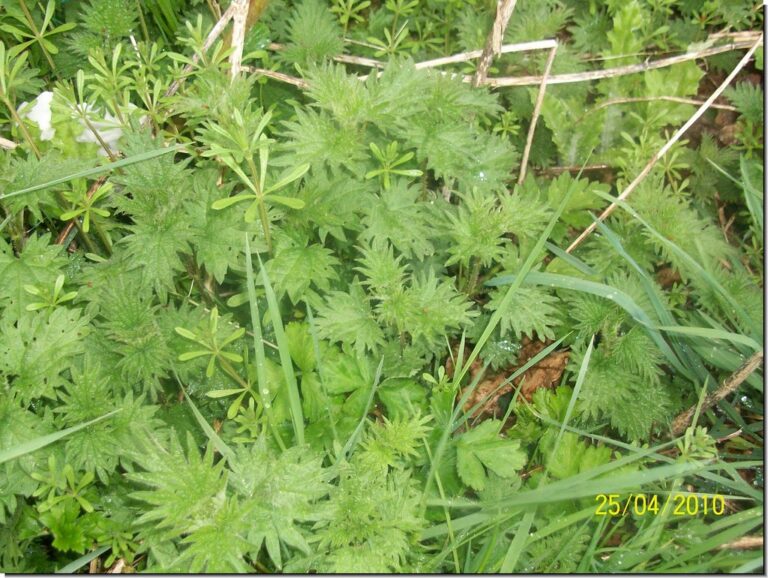
    Dandelion is a common perennial whose leaves and roots have long been used in food and herbal preparations for digestive support and bodily drainage. Its roots are rich in inulin and both leaves and roots are used as infusions, tinctures and extracts. Uses and effects vary by individual.