
Digestion & Gut Health

  • Couch Grass

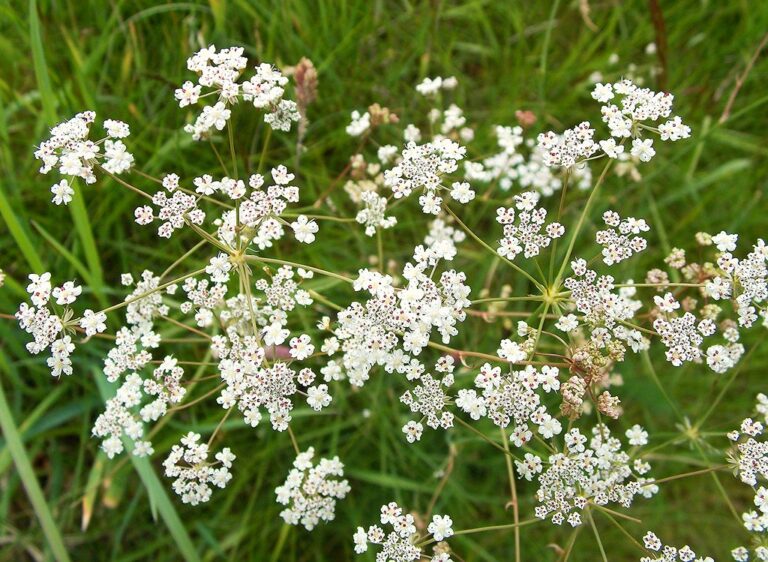
    Couch Grass is a perennial grass whose rhizome has long been used in herbal practice for urinary drainage and soothing mucous membranes. Traditional preparations favour the dried rhizome for infusions, capsules or fluid extracts to support gentle diuretic and anti-inflammatory uses. Individual responses vary; precautions apply.
  • Cranberry

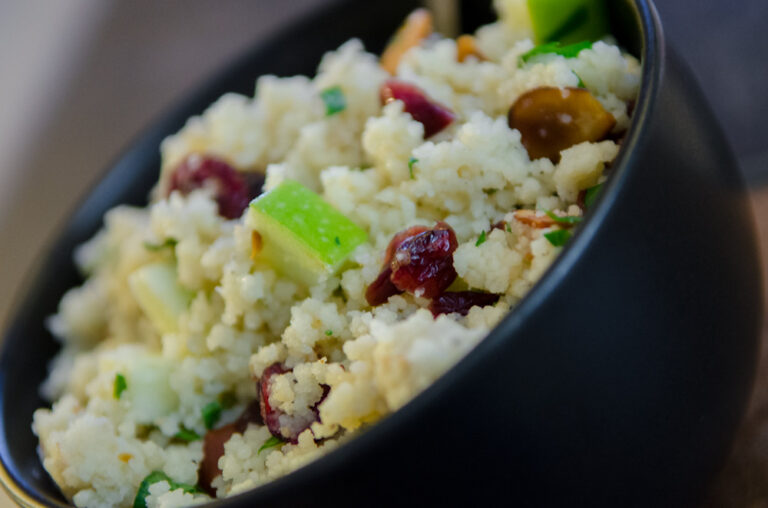
    Cranberry is a small North American berry rich in polyphenols and vitamin C, traditionally used for urinary and digestive concerns and valued for antioxidant activity. Proanthocyanidins are studied for their potential to reduce bacterial adhesion in the urinary tract. Individual responses vary.

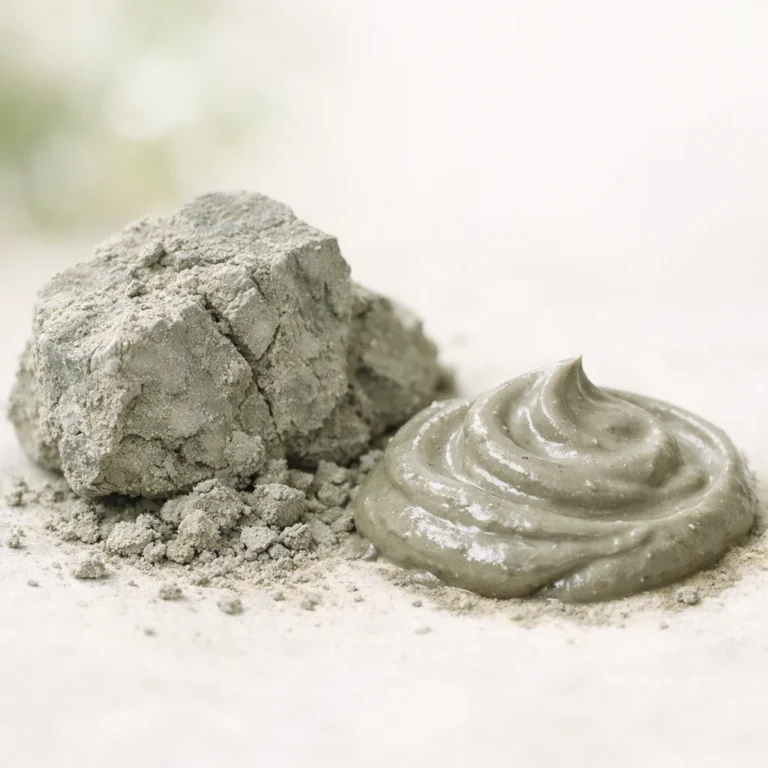
  • Clay

    Clay is a mineral-rich natural material used externally for skin and hair care and sometimes taken internally for digestive comfort. Different types like green clay and kaolin act as absorbent, adsorbent and remineralizing materials used in masks, poultices and supplements. Uses and effects vary by individual.

  • Cinnamon

    Warm, aromatic bark and distilled leaf oil, cinnamon is used globally in cuisine and traditional medicine for digestion and as a stimulating tonic. Laboratory studies report antimicrobial activity and it is commonly used for difficult digestion. Effects and tolerability vary by individual; consult guidance for concentrated oils.

  • Chrysanthellum

    Chrysanthellum is a small yellow-flowered herb used traditionally in South America and Africa for liver and circulatory support, often prepared as infusions or standardized extracts. It is most noted for hepatoprotective and digestive supporting properties. Individual responses vary and safety considerations apply.

  • Cherry Stems

    Cherry stems are dried peduncles of sour cherry prized in traditional herbalism for their draining and detoxifying reputation, rich in potassium salts and polyphenols. They are commonly used in infusions or powdered supplements to support fluid balance and urinary tract health.

  • Chitosan

    Chitosan is a chitin-derived polysaccharide extracted from crustacean and mollusk shells and used in supplements for its fat-binding and antimicrobial research findings. Studies suggest it can bind dietary fats in the intestine and may influence cholesterol and appetite. Individual responses vary, and effects are not guaranteed.

  • Carob

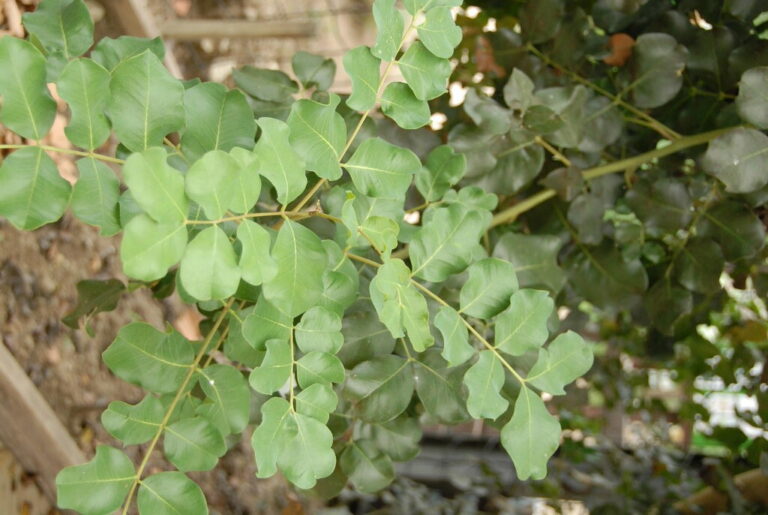
    Carob powder and seed gum come from a Mediterranean evergreen and are used in food, cosmetic and traditional remedy contexts for digestion and metabolic support. Research suggests carob powder may lower LDL cholesterol and carob gum can reduce infant regurgitation in some cases.

  • Caraway

    Caraway seeds are aromatic brown fruits used in cooking and traditional herbalism for digestive comfort and mild respiratory support. Its essential oil, rich in carvone, is prized for digestive and expectorant applications. Use varies by individual; follow product guidance.

  • Black Radish

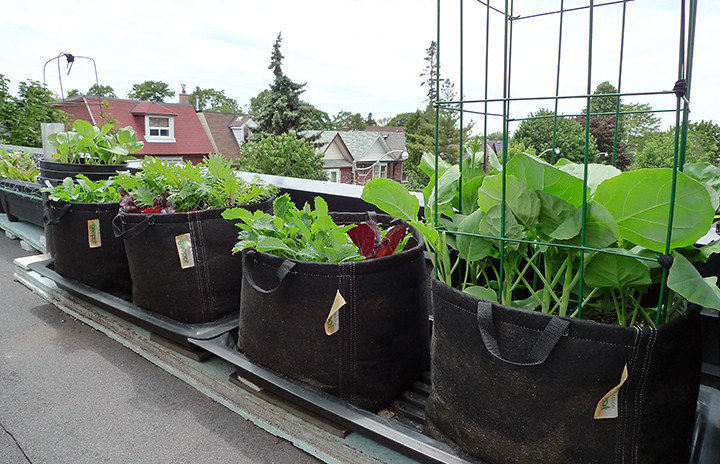
    Black Radish is a pungent winter root prized in culinary and herbal traditions for its dense flesh and high glucosinolate content. Traditionally used to support bile flow, digestion and urinary drainage, it is valued as a detoxifying and liver‑supporting vegetable. Preparation and doses vary by product.

  • Black Seed

    Black Seed (Nigella sativa) has been used across the Mediterranean and Southwest Asia for culinary and traditional purposes, processed into seeds, oils and supplements for antioxidant and immune-supportive roles. Cold‑pressed oil with thymoquinone is commonly used in capsules at 1,000–2,000 mg daily.

  • Bitter Orange Blossom

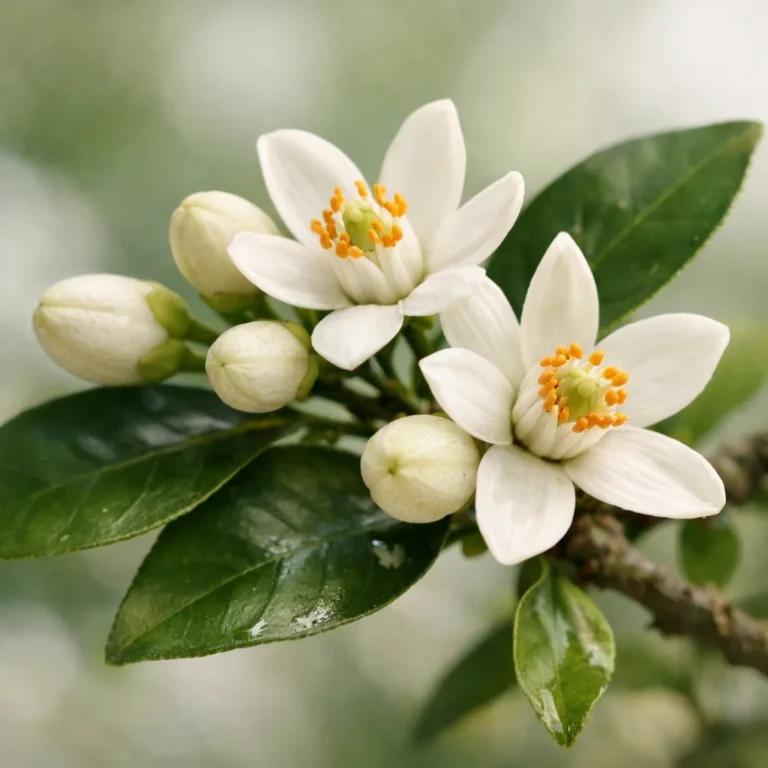
    Bitter Orange Blossom offers fragrant floral extracts—neroli, petitgrain and orange peel oil—used in perfumery, skincare and traditional recipes for mild calming and digestive support. Its distilled hydrosol and essential oils are prized for soothing aroma and gentle skin toning, though individual responses vary.