Digestion & Gut Health

  • Baccharis

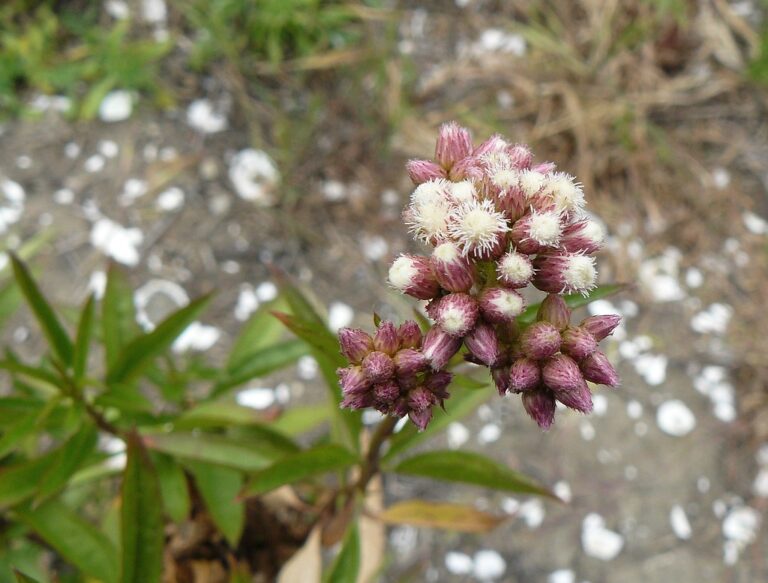
    A South American perennial used for digestive complaints and liver support, Baccharis contains flavonoids and terpenoids studied for gastroprotective and hepatoprotective effects. Traditional preparations use ten to fifteen grams of dried aerial parts per half litre of water as an infusion. Individual responses vary and caution is advised.

  • Ascophyllum

    Ascophyllum nodosum is a nutrient-rich brown seaweed from North Atlantic shores, used in food, cosmetics and supplements for its mineral, vitamin and fibre content. Research highlights its alginate-containing fibre and antioxidant constituents, and studies have explored effects on appetite and fat absorption.

  • Artichoke

    Artichoke leaves are used in traditional herbalism and supplements for digestive comfort and support of healthy lipid processing. Leaf extracts contain phenolic acids and flavonoids and are often used to promote bile flow and metabolic clearance. Tolerability varies by individual; follow product guidance.

  • Angelica

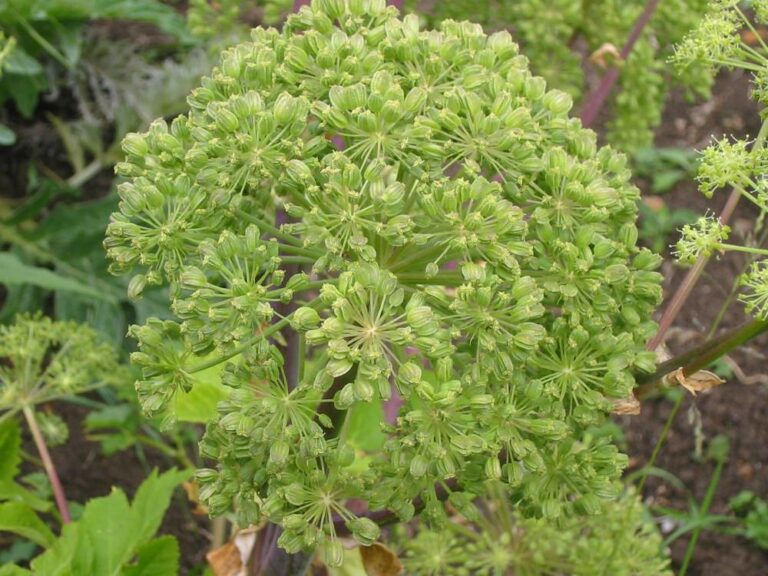
    Angelica is a tall northern European herb prized for its large root and traditional use in digestive, tonic and folk medicine preparations. Root extracts are commonly used to support digestive comfort and appetite while some compounds can cause photosensitivity in some people.

  • Apple Cider Vinegar

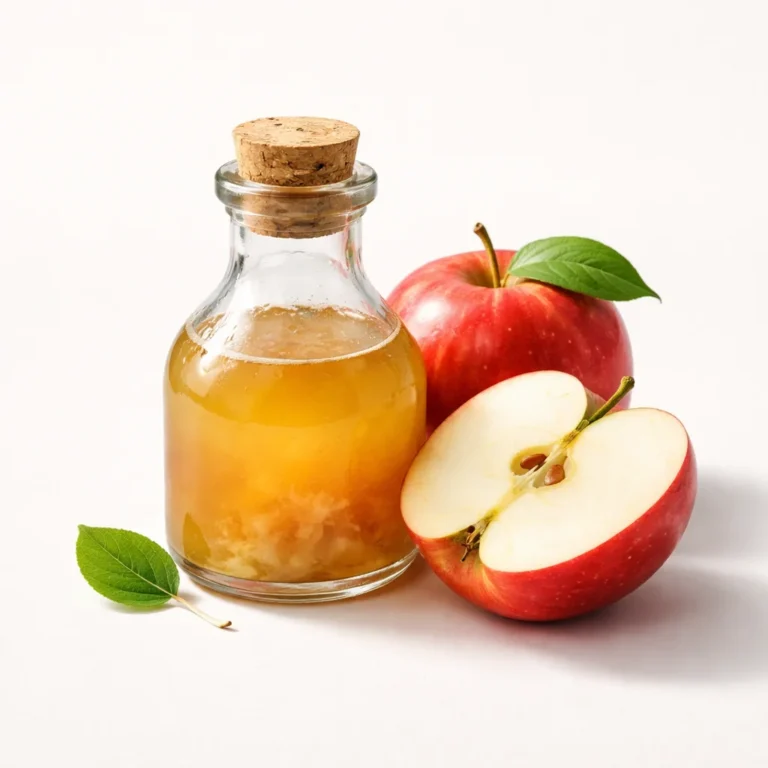
    Apple Cider Vinegar is a double‑fermented apple juice used in cooking and wellness routines for digestion, weight management and topical care. Its primary active compound is acetic acid, and formulations include liquid vinegar and powdered or encapsulated supplements. Use and effects vary by individual.

  • Activated Charcoal

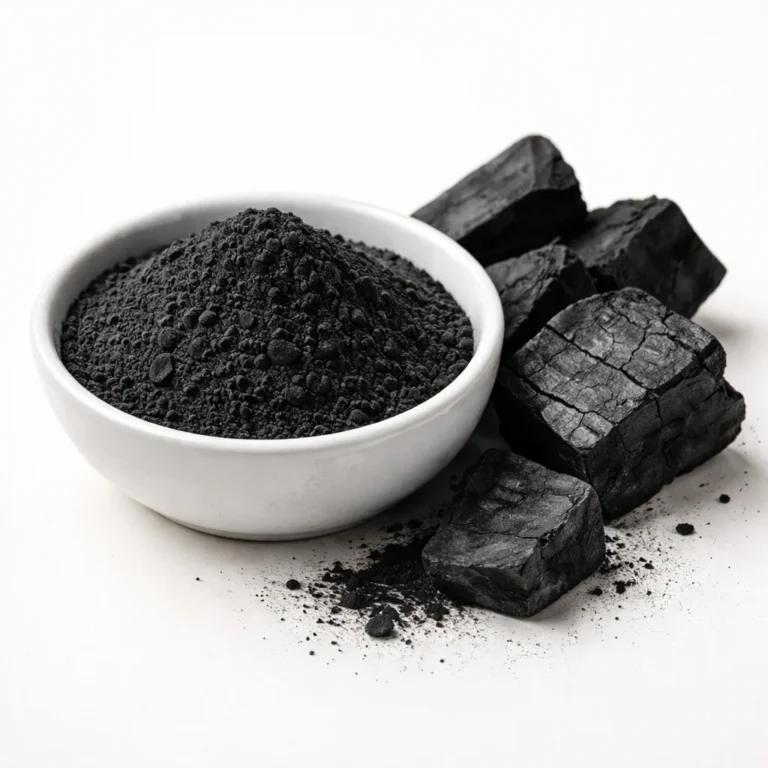
    Activated charcoal is a black, porous powder produced by carbonizing plant materials and activating the char to develop extensive surface area used for adsorption in digestive and detox contexts. It is traditionally used to reduce gas and bind certain compounds, though effects and safety vary by individual.

  • Aloe Vera

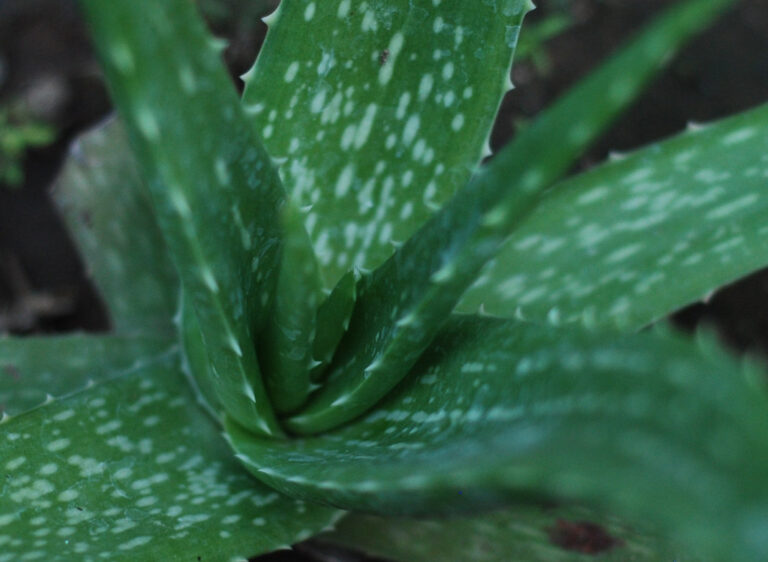
    Aloe Vera is a stemless succulent whose leaves contain a clear mucilaginous gel and a bitter latex; the gel is used for topical hydration and skin support while the latex is associated with oral laxative effects. Use, effects and safety can vary and interactions or contraindications are possible.

  • Milk Thistle

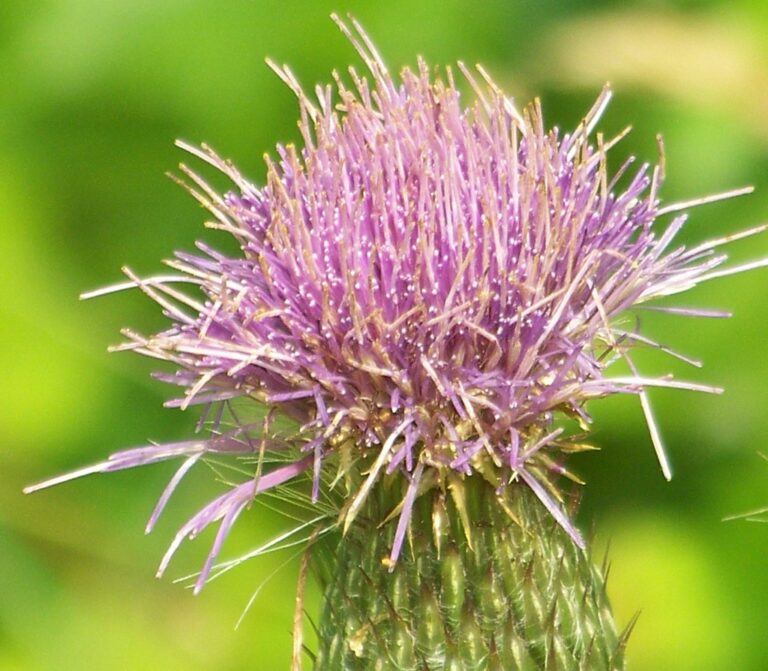
    Milk thistle is a biennial Asteraceae herb whose seeds are rich in silymarin and traditionally used for liver and biliary complaints. Silymarin is a seed‑derived flavonolignan complex studied for antioxidant and hepatoprotective activity, though effects vary by individual. Consider professional guidance before supplementing.

  • Ginger

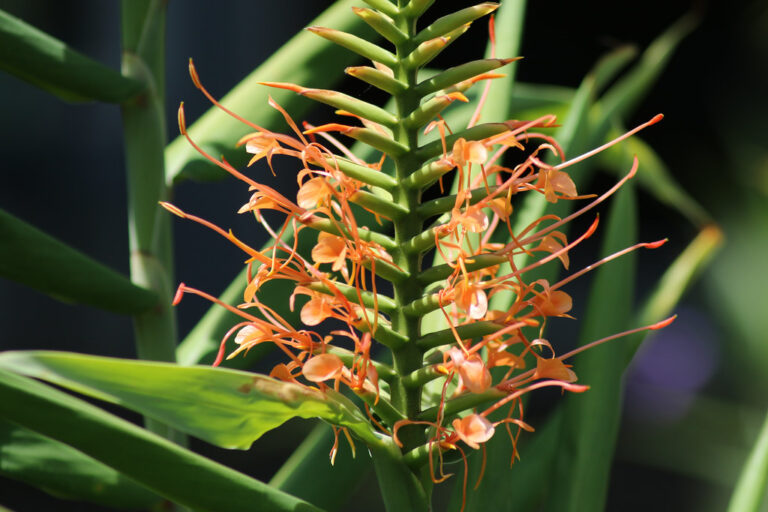
    Warm, aromatic rhizome used as spice and traditional tonic with phenolics like gingerol and shogaol. Research and traditional use point to antioxidant, anti-inflammatory and anti-nausea roles, though responses vary by individual. Use and tolerability depend on dose and personal health.

  • Turmeric

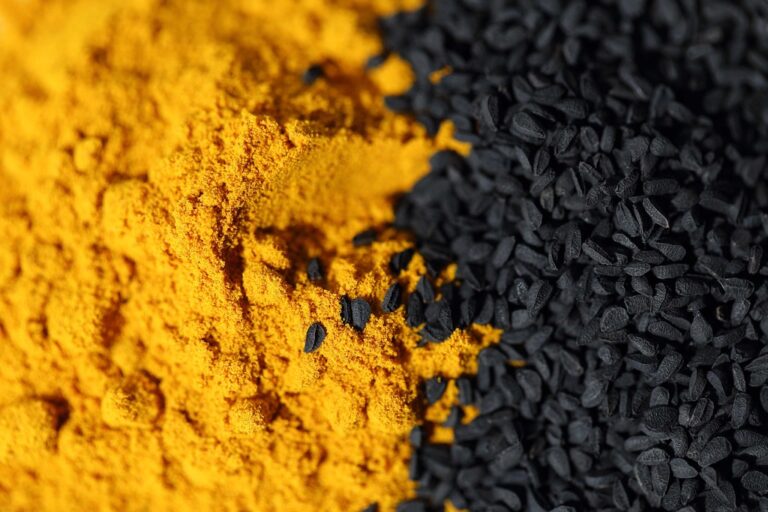
    Turmeric is an aromatic rhizome used for millennia as a spice, dye and traditional remedy originating in India and Southeast Asia. Modern interest centers on its curcuminoids and their anti-inflammatory and antioxidant properties, though individual responses vary. Consider formulation and dosing when using supplements.