Ascophyllum
Nutrient-dense North Atlantic seaweed valued for minerals, fibre and antioxidants.
Ascophyllum (Ascophyllum nodosum) is a brown seaweed native to the North Atlantic, commonly known as black seaweed or knotted wrack. Edible and nutrient-dense, it supplies minerals and trace elements, vitamins, polyphenols and sulfated polysaccharides; these constituents have led to research on its antioxidant potential and nutritional uses. Studies have also examined alginates—dietary fibers that swell in the stomach—and reported appetite-suppressing effects as well as reduced fat absorption through pancreatic lipase inhibition, though results are variable.
Ascophyllum is used in culinary preparations, supplements and cosmetic formulations and is available as dried seaweed, powders, flakes and capsules. Typical composition includes calcium, iodine, magnesium and vitamins (B-complex, C and E), so caution is advised because of its high iodine content: people with iodine sensitivity, hypertension, hyperthyroidism, cardiac palpitations, seafood allergy, pregnancy or breastfeeding should seek medical advice before use. Dosage is not standardized (some studies used about 300 g of powder per day for weight-related research), and uses and effects may vary by individual; sustainable harvesting practices note slow regrowth after cutting, often taking several years to recover.
At a Glance
Found along rocky shorelines of the North Atlantic, Ascophyllum nodosum is a brown macroalga harvested for food, cosmetic and supplement uses.
It is rich in minerals, vitamins, polyphenols and sulfated polysaccharides and contains alginates that contribute dietary fibre.
| Common name |
|
|---|---|
| Scientific name | Ascophyllum nodosum |
| Plant family | Fucaceae |
| Origin | North Atlantic |
| Parts used | All parts |
| Active compounds |
|
| Main benefits |
|
| Available forms |
|
Origin & History
Ascophyllum nodosum is a brown macroalga native to the North Atlantic and nearby seas, including the Arctic coasts, the English Channel and the North Sea. It grows attached to rocky substrates from the mid-tide zone down to around 15 meters, often forming dense, carpet-like stands; the fronds are long, leathery and bear distinctive bladder-like vesicles at regular intervals.
Used historically in coastal regions, Ascophyllum has been incorporated into local culinary preparations and valued for its nutritional and functional properties, while modern applications also include food thickeners and cosmetic extracts. Historically, coastal communities collected Ascophyllum as goémon and incorporated it into local culinary preparations. Harvesting is traditionally done by hand at low tide, and the species regenerates slowly, which has informed sustainable-collection practices in many areas.
Composition & Active Compounds
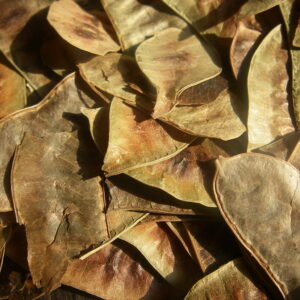
Ascophyllum nodosum is a brown, leathery seaweed with long, flattened fronds bearing regular bladder-like vesicles; colour ranges from olive-green in water to nearly black when dried, and fronds commonly measure 3–10 mm wide and 1–2 m long. Chemically it is rich in minerals and trace elements, a spectrum of vitamins, polyphenols and sulfated polysaccharides, with alginates as a prominent soluble fibre fraction. Alginates, the gel-forming dietary fibre fraction, are a principal functional component used in powdered and capsule supplements.
- Minerals and trace elements: calcium, iodine, magnesium, iron, potassium, zinc
- Vitamins: B-complex vitamins, vitamin C, vitamin E, provitamin A, vitamin D
- Polyphenols: plant phenolic compounds with antioxidant activity
- Sulfated polysaccharides: sulfated long-chain sugars contributing to antioxidant and other activities
- Alginates: gel-forming soluble fibres that swell in the stomach and affect bulk and fat absorption
Related Herbs
Properties & Effects
Ascophyllum nodosum is traditionally known as a nutrient-rich brown seaweed harvested from rocky North Atlantic coasts and used in food, supplements and topical formulations. Nutritional richness is the most widely recognised property, with Ascophyllum valued as a source of minerals, vitamins and dietary fibre.
- Nutritional: may contribute essential vitamins and minerals that support general nutritional status.
- Appetite suppression and weight management: may support appetite control and weight-management efforts in some individuals.
- Antioxidant: may help reduce oxidative stress and protect cells from oxidative damage.
- Anti-inflammatory: research suggests it may support a healthy inflammatory response.
- Anticoagulant: some studies indicate it may influence blood clotting and circulation.
- Immune-supporting: may support aspects of immune function according to experimental research.
- Skin purifying: traditionally used in cosmetics to help purify skin and remove surface impurities.
Dosage & How to Use
Dosage guidance for Ascophyllum is limited and mainly drawn from research reports.
| Weight loss |
|
|---|
Safety, Side Effects & Contraindications
Ascophyllum nodosum contains a high level of iodine and a range of bioactive compounds, so it may not be suitable for everyone; people with known iodine sensitivity, hypertension, hyperthyroidism or a history of cardiac palpitations should seek medical advice before use. Known adverse effects reported in relation to high intake include iodine-related thyroid disturbance, allergic reactions in those sensitive to seafood, and general intolerance from excessive consumption; individual responses vary.
Precautions extend to potential interactions with medications or conditions that affect blood clotting and cardiovascular or thyroid function; research also reports anticoagulant activity, so consultation with a healthcare professional is advisable for people taking blood-thinning drugs or thyroid medications. As a general safety measure, avoid excessive or unsupervised use during pregnancy or breastfeeding and follow professional guidance when combining Ascophyllum with other supplements or medicines.
- Iodine sensitivity: may be unsafe due to high iodine content; seek medical advice.
- Hypertension: consumption not recommended without clinician input.
- Hyperthyroidism: may exacerbate thyroid imbalance; avoid unless supervised.
- Cardiac palpitations: caution advised for people with arrhythmias or palpitations.
- Seafood allergy: avoid if allergic to fish or shellfish.
- Pregnancy and breastfeeding: not recommended without professional advice.
Contains high iodine; consult a healthcare professional if pregnant, breastfeeding, allergic to seafood, or if you have thyroid disease, hypertension, or take blood-thinning medication.