
Brain & Focus

  • Echinacea

    Echinacea is a North American perennial used in herbal practice for immune support and topical wound care. Roots, leaves and flowers are prepared as tinctures, powders and extracts with alkylamides, phenolics, flavonoids and polysaccharides. Individual responses and safety considerations vary.
  • Ginger

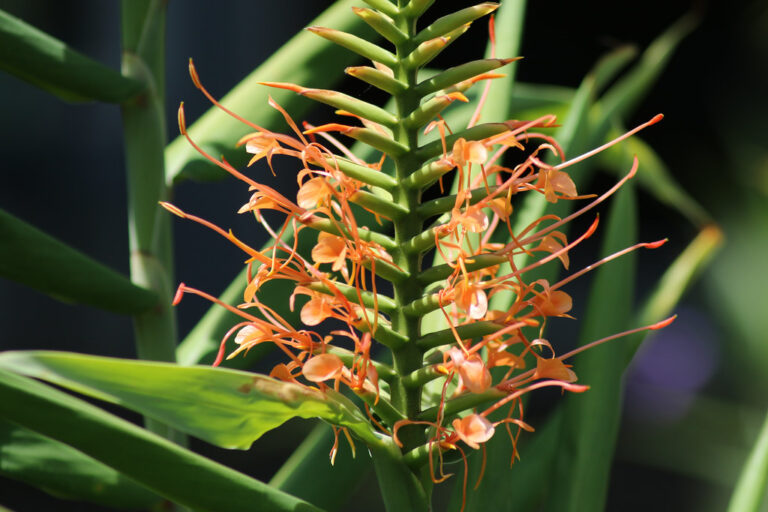
    Warm, aromatic rhizome used as spice and traditional tonic with phenolics like gingerol and shogaol. Research and traditional use point to antioxidant, anti-inflammatory and anti-nausea roles, though responses vary by individual. Use and tolerability depend on dose and personal health.

  • Goji Berry

    Goji berry is a small red-orange fruit used for millennia in Chinese and Tibetan herbal traditions and now sold worldwide as dried berries, juice and supplements. Research highlights its rich antioxidant and vitamin composition, notably polysaccharides and carotenoids, which contribute to its use as a nutritional tonic.

  • Omega 3

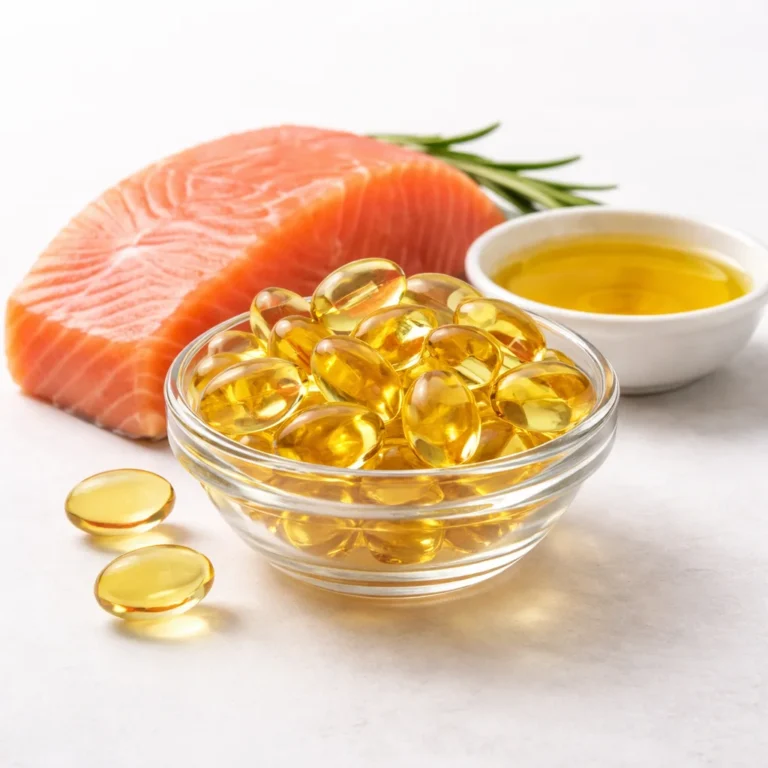
    Essential omega‑3 fatty acids support cell membrane structure and are found in oily fish, krill and certain plant oils; dietary intake often falls short, prompting fortified foods and supplements. EPA and DHA intake of about 250 mg/day is commonly cited for heart function maintenance. Individual responses may vary.

  • Tea Tree

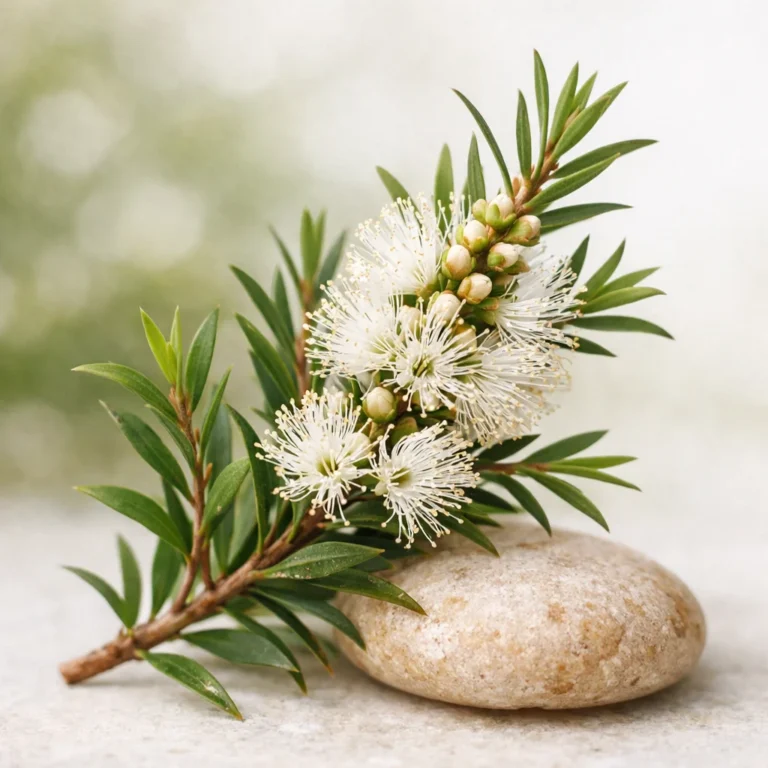
    Tea tree oil, distilled from Melaleuca alternifolia leaves, is widely used in topical products and aromatherapy for its traditional cleansing and toning roles. It is valued for broad-spectrum antimicrobial and skin-supporting applications, though individual responses vary and products are highly concentrated.