Brain & Focus

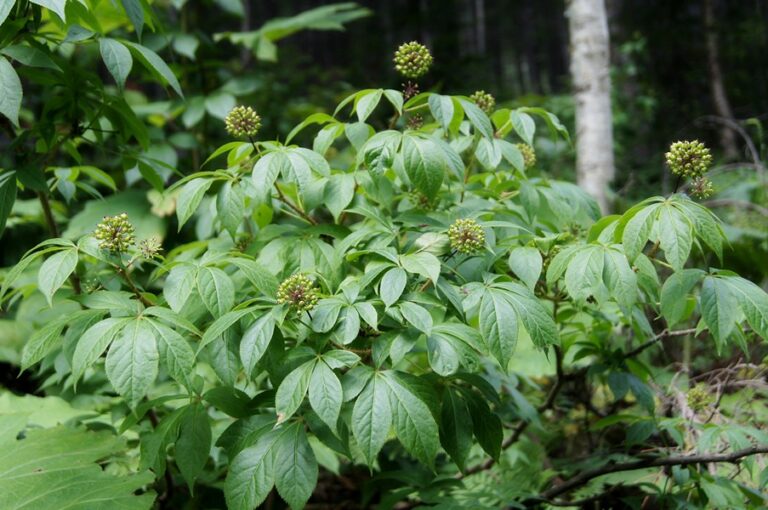
  • Eleutherococcus

    A hardy Asian shrub valued for its root, Eleutherococcus is traditionally used as an adaptogen and general tonic to support energy, resilience and seasonal immune function. Products range from powders and tinctures to dry and liquid extracts, and responses may vary by individual.
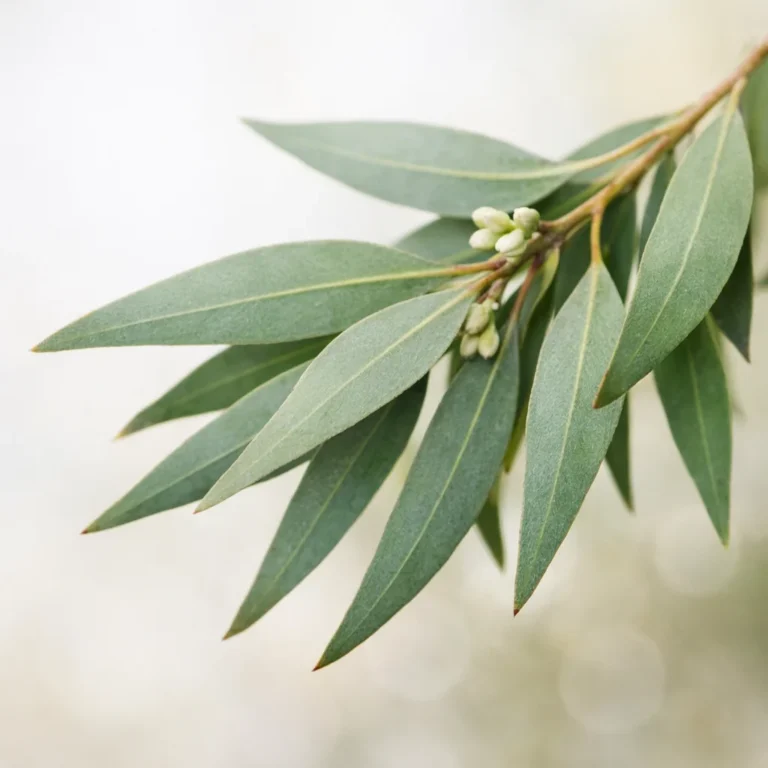
  • Eucalyptus Radiata

    Eucalyptus Radiata yields a clear, slightly sweet essential oil distilled from leaves and used in aromatic and topical preparations for respiratory and skin concerns. Its leaf-derived oil is prized for a high 1,8‑cineole profile and versatile aromatic uses. Uses and effects vary by individual; follow safety guidance.

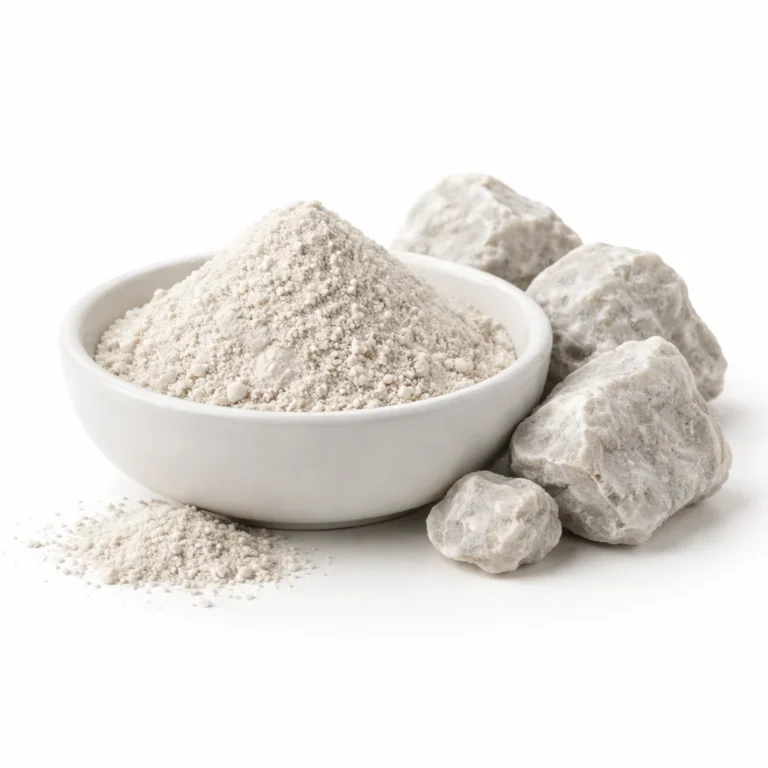
  • Dolomite

    Micronized dolomite powder supplies calcium and magnesium as dietary minerals and is promoted as a remineralizer for people with low mineral intake. Some users report reduced fatigue and improved sleep, but effects vary and tolerability depends on product purity and dose.

  • Cypress

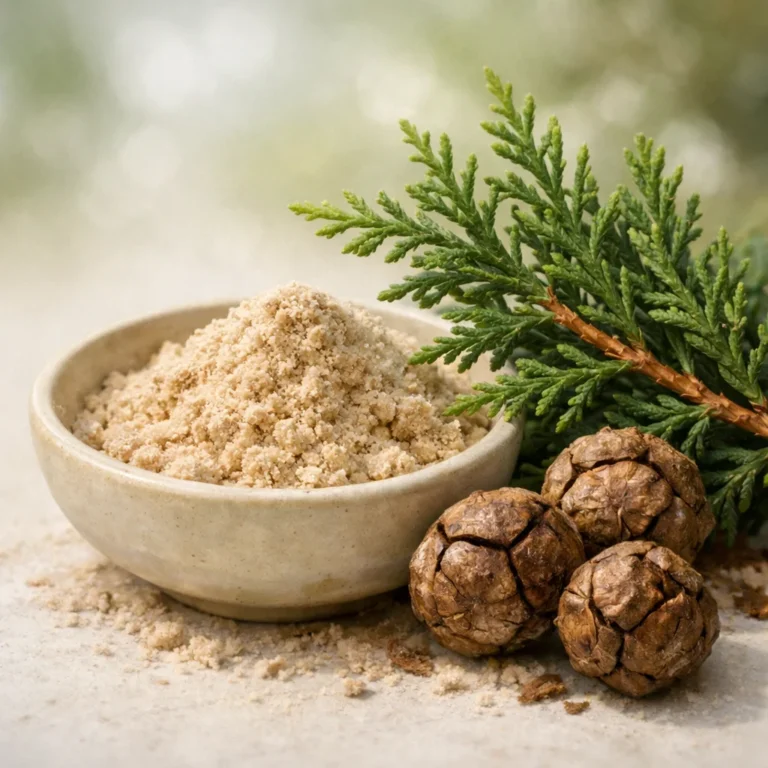
    Cypress is an evergreen Mediterranean tree whose green cones and essential oil are used in supplements and aromatherapy for circulatory and antimicrobial applications. Cones contain tannins, flavonoids and terpenes that are the focus of traditional use and research. Effects vary by individual.

  • Damiana

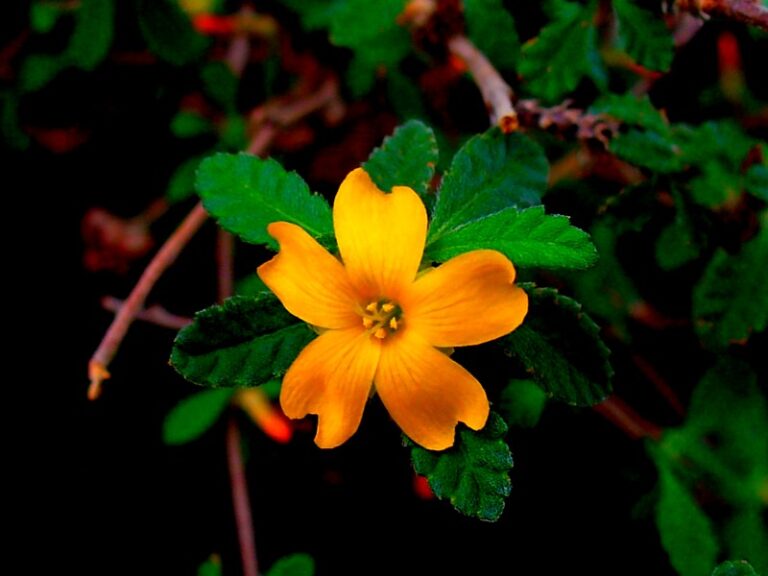
    Damiana is a fragrant shrub whose dried leaves are used in teas and extracts traditionally associated with libido support and mild tonic effects. Standardized leaf extracts and infusions are the most common formats in contemporary supplements. Use and effects may vary by individual.

  • Cinnamon

    Warm, aromatic bark and distilled leaf oil, cinnamon is used globally in cuisine and traditional medicine for digestion and as a stimulating tonic. Laboratory studies report antimicrobial activity and it is commonly used for difficult digestion. Effects and tolerability vary by individual; consult guidance for concentrated oils.

  • Chlorella

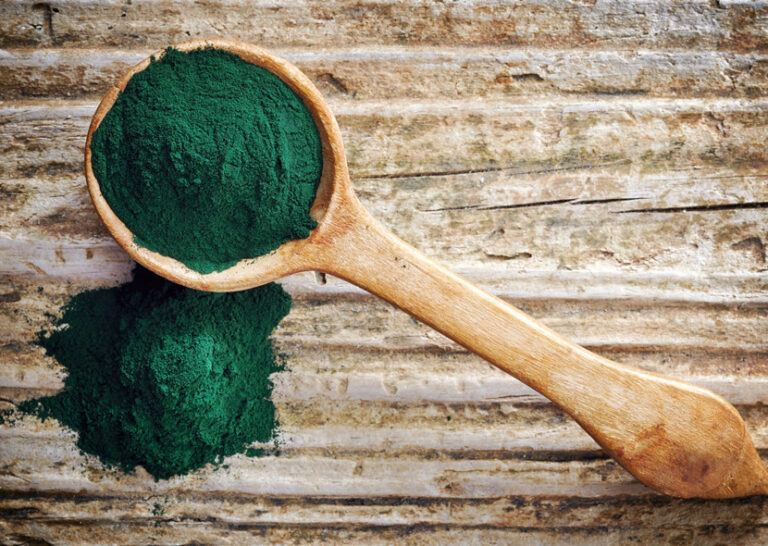
    Chlorella is a nutrient-dense single-celled green microalga used as a dietary supplement for its rich chlorophyll, B vitamins, iron and omega‑3 content globally. Research highlights antioxidant and detoxification properties and potential support for vascular and immune markers, though individual responses vary.

  • Chrysanthellum

    Chrysanthellum is a small yellow-flowered herb used traditionally in South America and Africa for liver and circulatory support, often prepared as infusions or standardized extracts. It is most noted for hepatoprotective and digestive supporting properties. Individual responses vary and safety considerations apply.

  • Camu Camu

    Camu Camu is a tart Amazonian berry prized for its exceptionally high vitamin C content and rich polyphenol profile, traditionally consumed as a diluted juice, powder or in capsules to support energy and seasonal resilience. Its antioxidant-rich fruit is commonly marketed as powder, capsule or juice.

  • Angelica

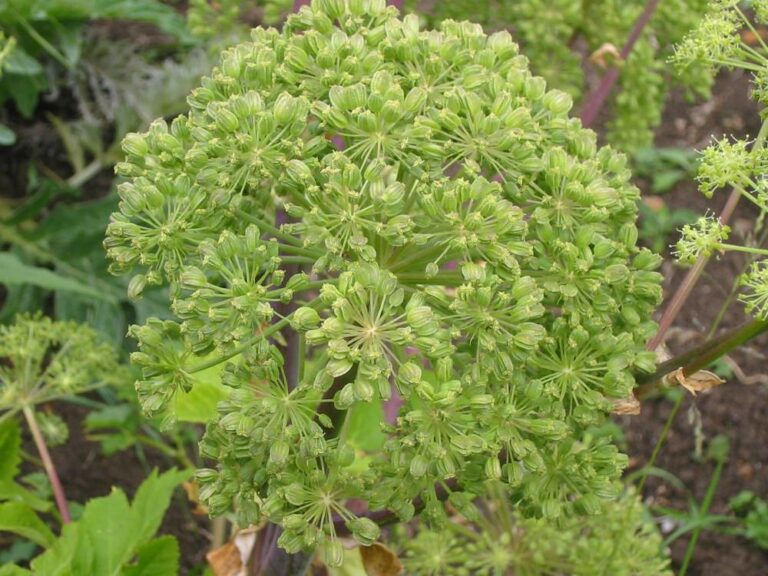
    Angelica is a tall northern European herb prized for its large root and traditional use in digestive, tonic and folk medicine preparations. Root extracts are commonly used to support digestive comfort and appetite while some compounds can cause photosensitivity in some people.

  • Acai

    Acai is an Amazonian palm berry valued for its dense nutrient profile and rich polyphenol content, often sold as juice, puree or concentrated extracts. The berry is most noted for its antioxidant and anti-inflammatory properties. Individual effects may vary and product concentrations differ.

  • Ashwagandha

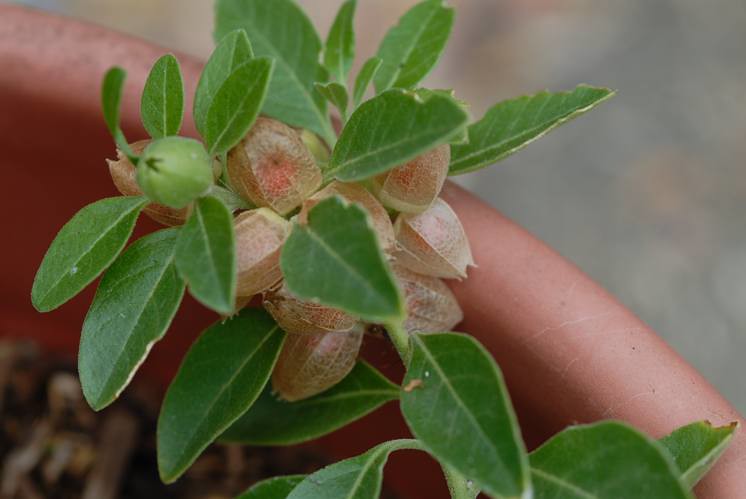
    Ashwagandha root is a traditional Ayurvedic tonic used to support stress resilience, vitality and recovery during demanding periods. Standardized root extracts and powdered root are commonly used in supplements and traditional preparations. Individual responses vary and certain groups should avoid use or consult a healthcare professional.