Heart & Cholesterol

  • Chlorella

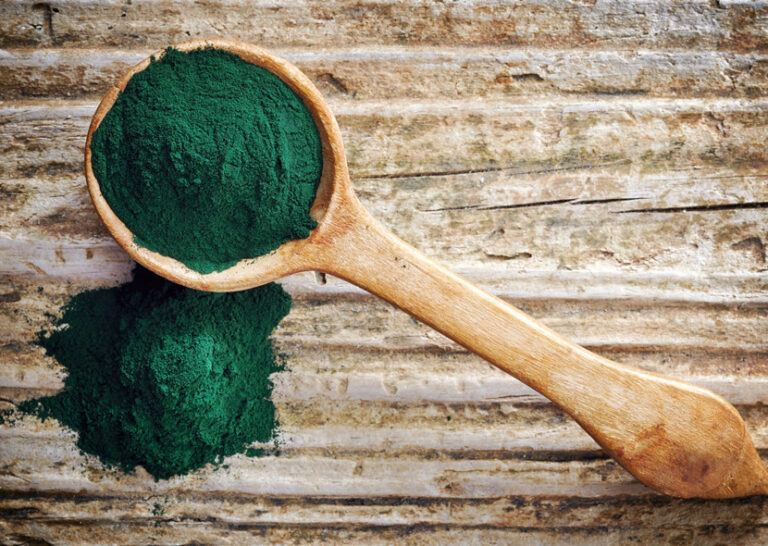
    Chlorella is a nutrient-dense single-celled green microalga used as a dietary supplement for its rich chlorophyll, B vitamins, iron and omega‑3 content globally. Research highlights antioxidant and detoxification properties and potential support for vascular and immune markers, though individual responses vary.
  • Chrysanthellum

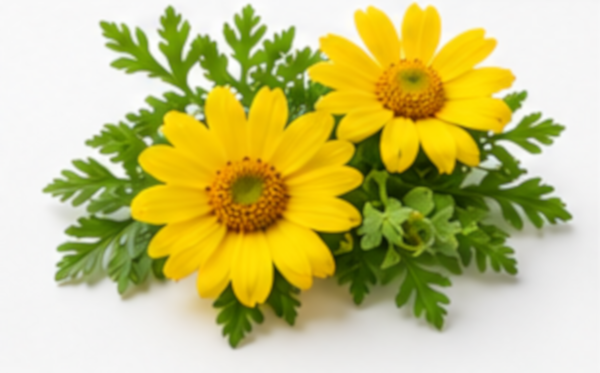
    Chrysanthellum is a small yellow-flowered herb used traditionally in South America and Africa for liver and circulatory support, often prepared as infusions or standardized extracts. It is most noted for hepatoprotective and digestive supporting properties. Individual responses vary and safety considerations apply.

  • Chitosan

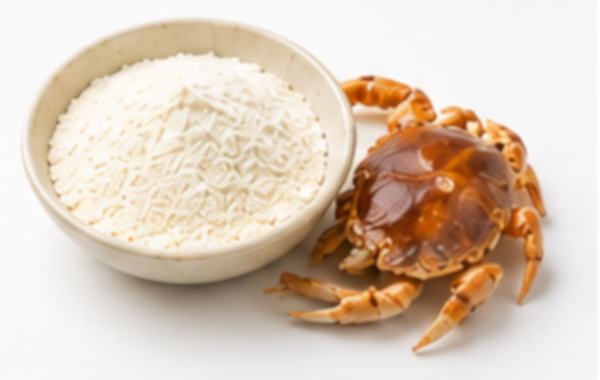
    Chitosan is a chitin-derived polysaccharide extracted from crustacean and mollusk shells and used in supplements for its fat-binding and antimicrobial research findings. Studies suggest it can bind dietary fats in the intestine and may influence cholesterol and appetite. Individual responses vary, and effects are not guaranteed.

  • Carob

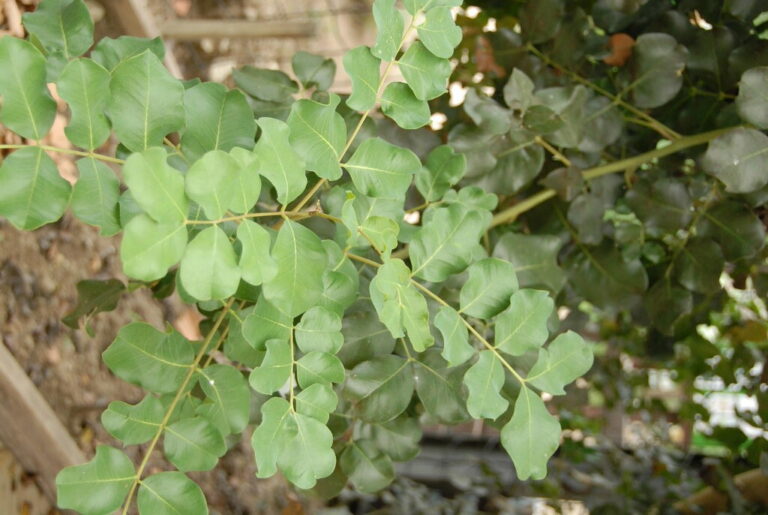
    Carob powder and seed gum come from a Mediterranean evergreen and are used in food, cosmetic and traditional remedy contexts for digestion and metabolic support. Research suggests carob powder may lower LDL cholesterol and carob gum can reduce infant regurgitation in some cases.

  • Black Seed

    Black Seed (Nigella sativa) has been used across the Mediterranean and Southwest Asia for culinary and traditional purposes, processed into seeds, oils and supplements for antioxidant and immune-supportive roles. Cold‑pressed oil with thymoquinone is commonly used in capsules at 1,000–2,000 mg daily.

  • Black Garlic

    Aged and fermented from ordinary garlic, black garlic develops a soft, sweet‑umami profile and concentrated antioxidant compounds during prolonged heating and humidity. Research highlights its antioxidant and anti-inflammatory activity and its use as a culinary ingredient or dietary supplement. Individual responses may vary.

  • Birch

    Slim European tree used in traditional herbalism for diuretic and depurative support. Birch preparations—leaves, bark, sap and buds—are commonly used to promote fluid elimination and support joint comfort. Some people may experience gastrointestinal or allergic reactions. Consult a healthcare professional if you have cardiac, renal, pregnancy or pollen sensitivities.

  • Artichoke

    Artichoke leaves are used in traditional herbalism and supplements for digestive comfort and support of healthy lipid processing. Leaf extracts contain phenolic acids and flavonoids and are often used to promote bile flow and metabolic clearance. Tolerability varies by individual; follow product guidance.

  • Apple Cider Vinegar

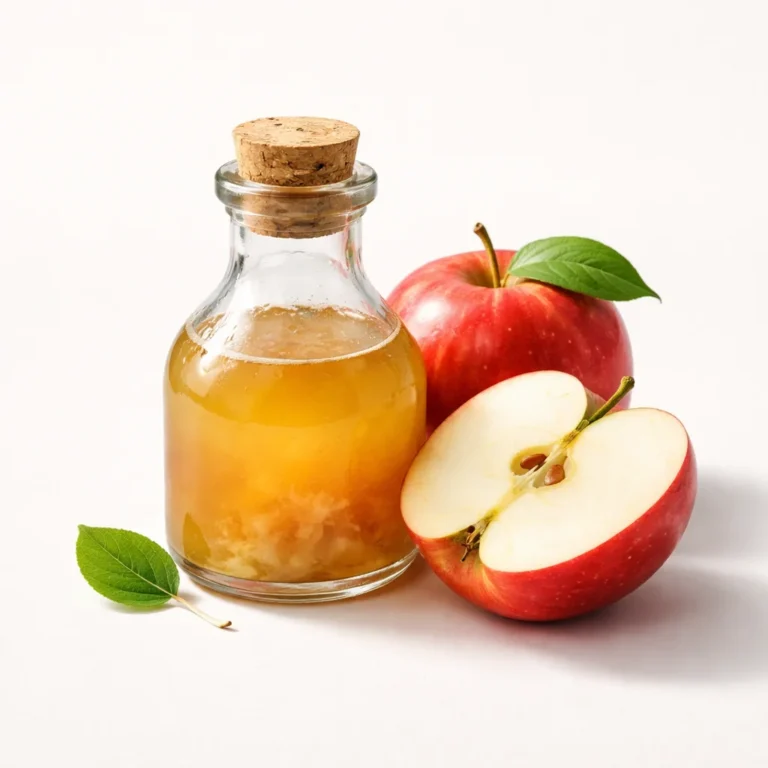
    Apple Cider Vinegar is a double‑fermented apple juice used in cooking and wellness routines for digestion, weight management and topical care. Its primary active compound is acetic acid, and formulations include liquid vinegar and powdered or encapsulated supplements. Use and effects vary by individual.

  • Acai

    Acai is an Amazonian palm berry valued for its dense nutrient profile and rich polyphenol content, often sold as juice, puree or concentrated extracts. The berry is most noted for its antioxidant and anti-inflammatory properties. Individual effects may vary and product concentrations differ.

  • Blueberry

    Blueberry is a small blue‑black berry prized for its tart flavor and concentrated polyphenols, including anthocyanins and flavonoids, used in food and herbal preparations. Research highlights its antioxidant profile and potential links to vision and cardiovascular support, though effects vary by individual.

  • Coenzyme Q10

    Coenzyme Q10 supports cellular energy and acts as a lipid‑soluble antioxidant found in foods and synthesized by the body. Research has explored its role in blood pressure, heart function, statin‑related muscle symptoms and migraine prevention. Individual responses vary; consult a clinician for personal guidance.