Heart & Cholesterol

  • L-Arginine

    Supplemental L-Arginine supports blood-flow related effects and is used to enhance muscle pump, circulation and erectile performance in some people. It is a semi-essential amino acid and precursor to nitric oxide, with variable individual responses and potential contraindications that may warrant professional guidance.
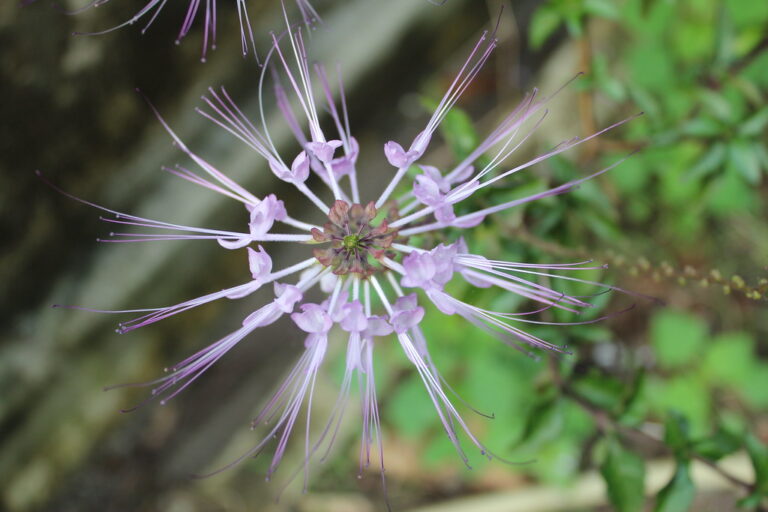
  • Java Tea

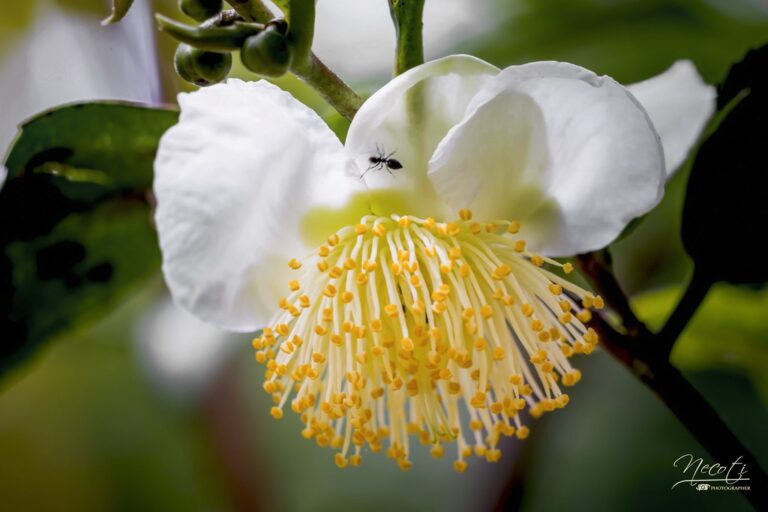
    Java Tea is a Southeast Asian herb traditionally brewed as an infusion to support urinary elimination and fluid drainage. Research highlights its diuretic and antioxidant properties while effects vary by individual. Consult a healthcare professional before use if you have kidney, heart or blood pressure concerns.

  • Horse Chestnut

    Horse Chestnut extract is derived from the seeds and bark of Aesculus hippocastanum and is used in herbal formulas aimed at supporting healthy venous circulation and easing sensations of heavy or swollen legs. Standardized extracts focus on aescin content and individual responses may vary.

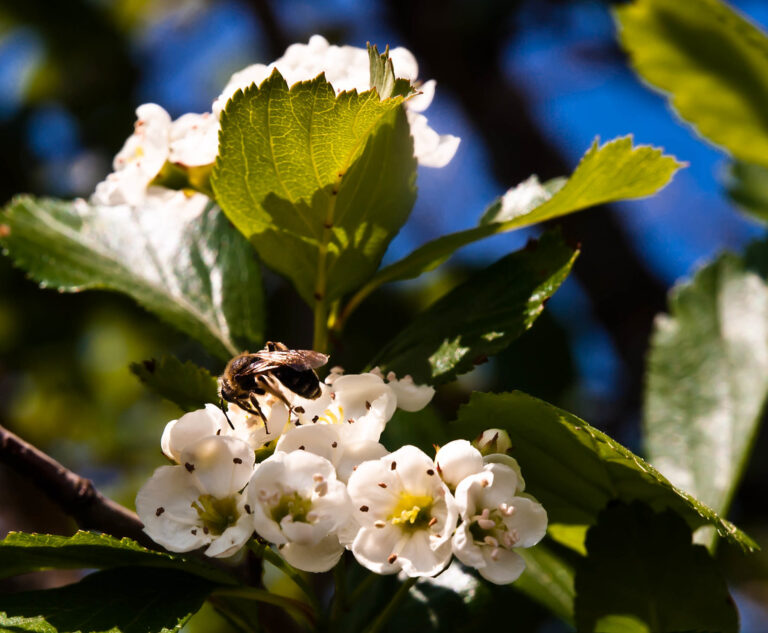
  • Hawthorn

    Hawthorn is a spiny shrub whose aromatic flowers and flowering tops are used in herbal preparations for calming effects and traditional cardiovascular support. Its extracts are rich in flavonoids and proanthocyanidins and individual responses can vary, so follow label guidance and seek professional advice when needed.

  • Green Tea

    Green tea is a traditional infusion made from Camellia sinensis leaves, rich in catechins and natural caffeine. It is valued for mild stimulation and antioxidant support, with common use in dietary supplements and weight‑management approaches. Individual responses vary and people sensitive to caffeine should take care.

  • Garlic

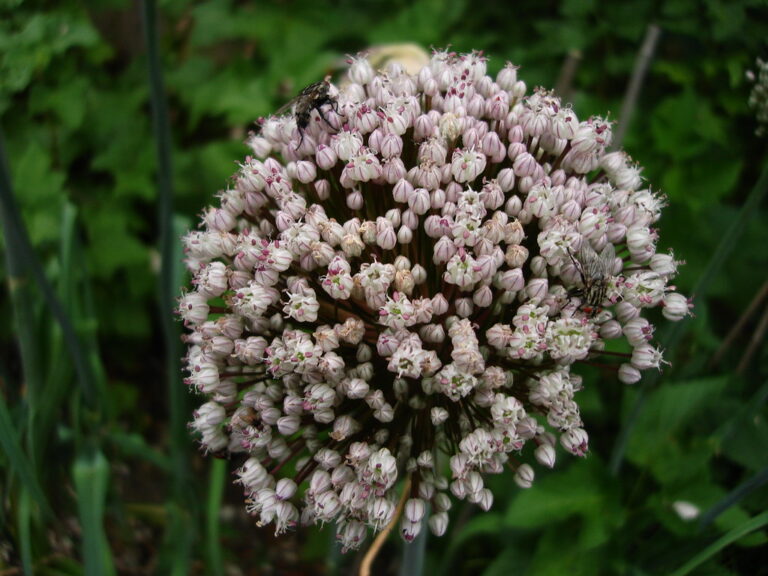
    Garlic is a pungent bulb used culinary and medicinally, valued for sulfur compounds studied for cardiovascular, antimicrobial and antioxidant actions. Research suggests garlic may support healthy blood lipids and blood pressure in some people. Individual responses and tolerability vary considerably.

  • Garcinia

    Native to Southeast Asian forests, Garcinia fruit rind is used culinary and in traditional Ayurveda; extracts contain hydroxycitric acid studied for appetite and lipid effects. Supplements standardized to HCA are commonly taken for weight‑related goals, though results vary and safety considerations apply. Consult a professional before use.

  • Fenugreek

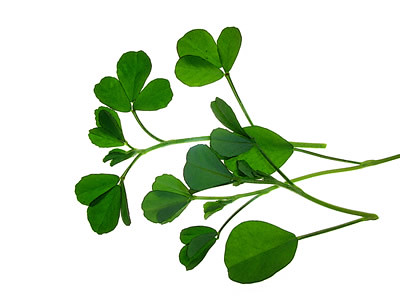
    Fenugreek is a Mediterranean annual whose seeds are used as spice and in traditional remedies for appetite, digestion, blood sugar and lactation support. Seeds contain compounds such as diosgenin, trigonelline and 4‑hydroxyisoleucine and are sold as whole seeds, powders and extracts.

  • Evening Primrose

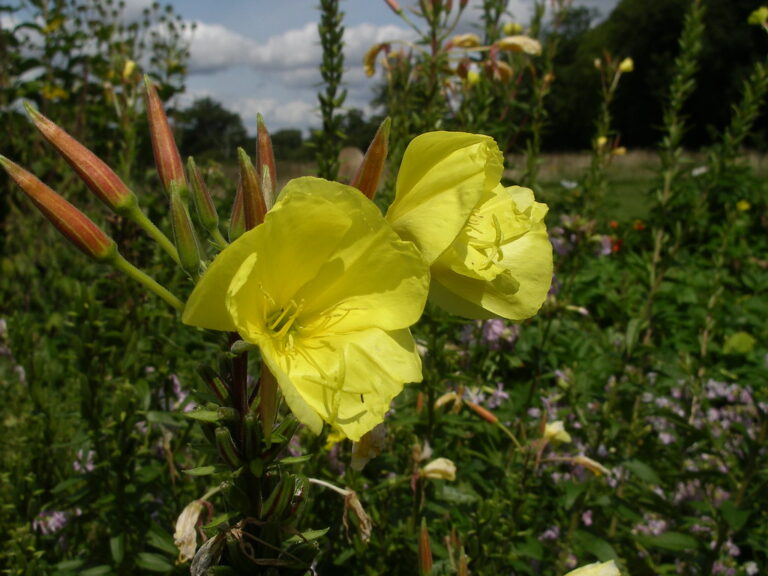
    Evening Primrose oil is pressed from the seeds of Oenothera biennis and is prized for its omega-6 fatty acids, notably gamma-linolenic acid, used in dietary and topical preparations for women’s comfort and skin support. Research suggests evening primrose oil may support relief of menstrual and menopausal symptoms for some individuals, though responses vary.

  • Cranberry

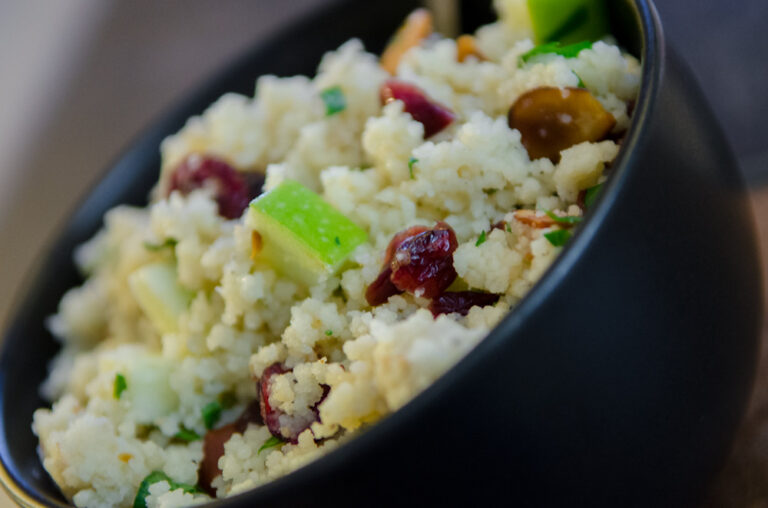
    Cranberry is a small North American berry rich in polyphenols and vitamin C, traditionally used for urinary and digestive concerns and valued for antioxidant activity. Proanthocyanidins are studied for their potential to reduce bacterial adhesion in the urinary tract. Individual responses vary.

  • Coleus Forskohlii

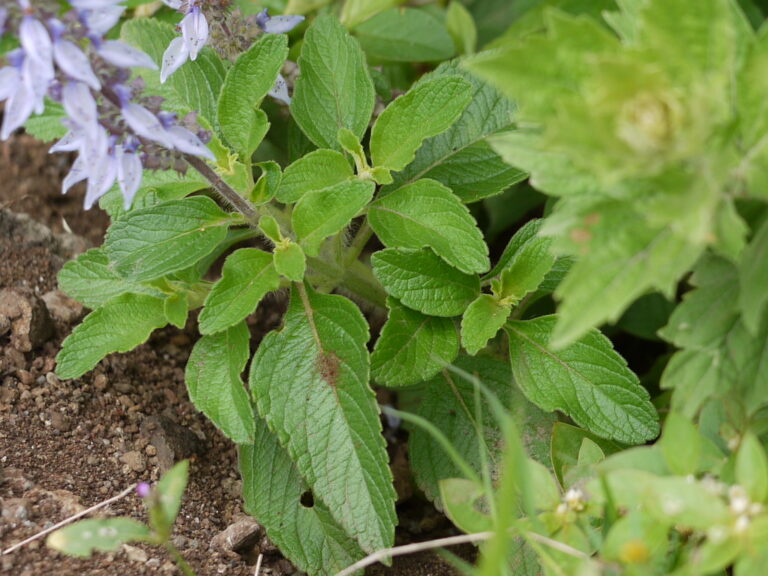
    A perennial member of the mint family, Coleus forskohlii is valued for root-derived forskolin and standardized extracts used in dietary supplements for metabolic and cardiovascular research. Traditional use and modern studies most often focus on weight management, vascular effects and intraocular pressure, though results vary by individual.

  • Cod Liver Oil

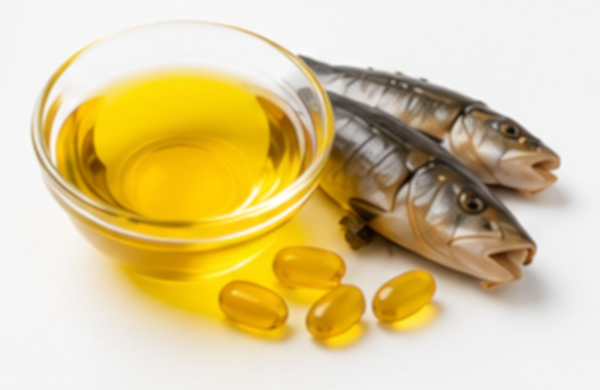
    Cod Liver Oil is a traditional marine supplement high in vitamins A, D and E and long‑chain omega‑3s, used to support bone, immune and cardiovascular health. Concentrations vary by product, so dosing should be adjusted for age, diet and other supplements.