

Phosphorus
Mineral that supports bone and tooth strength and normal energy production.
Phosphorus is an essential mineral present in the body mainly as phosphate; it plays key roles in the mineralization of bones and teeth and in cellular energy metabolism. Found abundantly in dairy, meats, fish, nuts and cereals, phosphate compounds are also structural components of cell membranes (phospholipids) and of genetic material (DNA and RNA).
Dietary phosphorus contributes to normal energy production and bone health and is available in foods and as supplements often combined with calcium or other nutrients; the typical recommended intake for adults is about 700 mg per day. Individual needs and responses vary, and caution is warranted in people with kidney disease, during pregnancy or lactation, or when using high-dose supplements, since effects and tolerability differ between individuals.
At a Glance
Phosphorus is a common biological element that occurs mainly as phosphate compounds in foods and in the body, where it participates in structural and metabolic roles. It supports bone and tooth mineralization and contributes to normal energy metabolism while forming key components of cell membranes and nucleic acids.
| Common name |
|
|---|---|
| Classification | Pnictogens |
| Origin | Mineral (rock) |
| Active compounds |
|
| Main benefits |
|
| Available forms |
|
Origin & History
Phosphorus originates from phosphate-containing rocks and is found in nature primarily as phosphate compounds rather than as the free element; in living organisms it occurs as phosphates that contribute to the structure of bones and teeth, the composition of cell membranes, and the makeup of genetic material. The term comes from the Greek word meaning “light,” reflecting early observations of its reactive properties, and early chemists first isolated elemental phosphorus from biological sources before phosphate rock and bone ash became principal commercial sources.
White phosphorus later became important industrially as a precursor to phosphoric acid and as a pH-regulating additive in some beverages. Over time phosphates have been used widely in agriculture as fertilizers and recognized in food traditions for their presence in dairy, meat, fish and nuts; modern production centers on processing phosphate rock into food-grade and industrial phosphate compounds, and supplements supply phosphorus as phosphate salts because the elemental form is toxic.
Composition & Active Compounds
Elemental phosphorus exists in several allotropes with colors ranging from white through red to violet, but in nature and in living organisms it is present mainly as phosphate compounds surrounded by oxygen. The biologically relevant chemical constituents include inorganic phosphate ions, phospholipids and phosphate salts, which are the forms commonly found in foods and supplements because the free element is reactive and toxic.
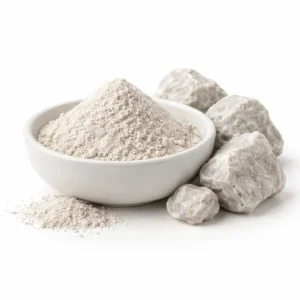
The most important compound in supplements is phosphate, normally supplied as phosphate salts such as calcium phosphate.
- Phosphate: inorganic anion present in bones, teeth, DNA/RNA and energy-carrying molecules
- Phospholipids: phosphorus-containing lipids that form cell membranes
- Phosphate salts (e.g. calcium phosphate): stable supplement and food forms used to provide dietary phosphorus


Properties & Effects
Phosphorus is traditionally known for its role in supporting skeletal health and in participating in normal energy-related processes within the body.
Its most well-documented property is support for the mineralization and maintenance of bones and teeth.
- Bone and tooth mineralization: may support healthy mineralization and density of bones and teeth.
- Energy metabolism: may support normal energy production and contribute to physical endurance.
- Cellular structure and genetic material: may support the integrity of cell membranes and components of genetic material.
- Acid-base balance: may support maintenance of normal blood pH and overall acid-base balance.
Dosage & How to Use
Recommended intake guidance for phosphorus is summarized below.
| Adults | 700 mg per day |
|---|
Safety, Side Effects & Contraindications
Depending on the dose, phosphorus supplements may be contraindicated in pregnant or lactating people and in those with impaired kidney function; caution and clinical oversight are recommended in these groups. Individual responses vary, so medical advice is advised for people with chronic conditions or those taking mineral-altering therapies.
Side effects differ with deficiency versus excess: hypophosphatemia is uncommon but can occur in situations such as diabetic ketoacidosis or acute alcohol intoxication and may be associated with reduced bone mineralization, pain, loss of appetite and marked fatigue. Conversely, hyperphosphatemia can be linked to microcalcifications in soft tissues and reduced calcium absorption and is observed in people with chronic renal failure or vitamin D intoxication.
- Pregnancy and lactation: Depending on dose, intake may be contraindicated.
- Kidney disease: Impaired renal function can disrupt phosphorus balance and raise risk of excess.
- Vitamin D intoxication: Elevated vitamin D may be associated with increased phosphorus-related risks.
Consult a healthcare professional before use; phosphorus supplements may be contraindicated in pregnancy or lactation, in kidney disease, or with vitamin D excess.