
Zinc
Essential trace mineral supporting immune function and skin health.
Zinc is an essential trace element that contributes to normal DNA and protein synthesis, cell division, immune function, tissue renewal, fertility and the maintenance of skin, hair and vision. The human body contains about 2–3 grams of zinc, concentrated in muscle, bone, skin and liver; because zinc is not stored long-term it must be supplied regularly through the diet.
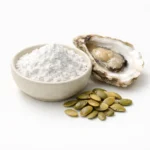
Common dietary sources include oysters and other shellfish, red meat, liver, dairy, eggs, seeds, legumes and whole grains, though plant-derived zinc is less well absorbed due to phytates. Supplements are available as zinc salts (gluconate, sulfate, acetate) and are used to correct deficiency or support normal physiological functions; European reference intakes for adults vary roughly between 7.5 and 16.3 mg/day depending on age, sex and diet. Individual responses and needs vary, and prolonged excessive intake can cause adverse effects and interfere with copper absorption, so supplementation and dosing should be considered in light of personal health circumstances and professional advice.
At a Glance
An essential micronutrient, zinc participates in cellular processes including DNA and protein synthesis, cell division and immune defenses across many tissues.
Because the body contains only small amounts and cannot store zinc long-term, regular dietary intake or supplementation is required to maintain normal physiological functions.
| Common name |
|
|---|---|
| Scientific name | Zn |
| Origin | Elemental metal present in foods and living tissues |
| Active compounds |
|
| Main benefits |
|
| Available forms |
|
Origin & History
Zinc is an elemental metal naturally found in the earth’s crust and in trace amounts throughout living tissues and common foods. In humans it is concentrated mainly in muscle, bone, skin and liver; in the environment it occurs in mineral deposits and is taken up by plants and animals, entering the food chain through soils and marine resources such as shellfish.
Historically zinc became important both in metallurgy—notably for making brass—and later as a recognized biological micronutrient: its role in plant growth was identified in 1926, in laboratory animals in the 1930s–1950s, and its essential importance for human health was clarified in the mid-20th century. Over time, awareness of zinc’s biological functions led to dietary recommendations and the development of concentrated preparations to address inadequate intake; cultural uses have ranged from alloy production to nutritional supplementation, reflecting both its industrial and biological significance.
Composition & Active Compounds
Zinc is a bluish-white, brittle metallic element found in the earth’s crust and in small amounts throughout the body; in supplements it is supplied as ionic zinc bound in salts rather than as the pure metal. Main chemical constituents in preparations are the zinc ion and common zinc salts used to deliver it, which differ in solubility and taste but all provide bioavailable Zn2+.
The zinc ion (Zn2+) is the primary bioactive form responsible for the nutrient’s physiological roles.
- Zinc ion (Zn2+): bioactive cation present in foods and supplements
- Gluconate: common oral zinc salt found in capsules and lozenges
- Sulfate: zinc salt used in supplements and formulations
- Acetate: zinc salt often used in lozenges and tablets


Properties & Effects
Zinc is traditionally known as an essential trace element required for many basic bodily functions, including growth, tissue renewal and maintenance of multiple organ systems.
Zinc’s role in supporting normal immune function is among the most widely documented and commonly cited effects.
- Immune support: may support the normal functioning of the body’s defenses and contribute to healthy immune responses.
- Skin and hair maintenance: may support the maintenance and renewal of skin, hair and nails and assist in normal wound healing.
- Antioxidant protection: may help protect cells from oxidative damage by supporting the body’s natural antioxidant systems.
- Vision support: may support normal vision and research suggests adequate intake can be associated with slower progression of age-related macular degeneration in some contexts.
- Reproductive health: may support normal fertility and reproductive function, with deficiency correction sometimes improving sperm parameters in men.
- Cellular growth and repair: may support normal DNA and protein synthesis, cell division and tissue renewal.
- Metabolic support: may support normal metabolism of foods, carbohydrates, fatty acids and vitamin A and contribute to acid–base balance.
- Bone maintenance: may support the maintenance of normal bone health.
Dosage & How to Use
General reference intakes and practical administration notes for zinc.
| Adult men |
|
|---|---|
| Adult women |
|
| Minimum content for health claims | At least 1.5 mg zinc per 100 g, 100 ml or per single-portion package |
| Administration |
|
Safety, Side Effects & Contraindications
There are no general absolute contraindications for zinc supplementation reported in the provided facts, but appropriate dosing and supervision are important. Short-term use at recommended doses can sometimes cause mild adverse effects such as headaches and a metallic taste, while higher or prolonged intakes may produce gastrointestinal symptoms and disturb nutrient balance.
Excessive or long-term zinc intake can reduce copper absorption and may weaken immune function, so avoiding sustained high doses without professional supervision is advised. It is also recommended to take supplements on an empty stomach to maximise absorption and to limit caffeine intake during treatment because caffeine and high dietary phytate levels can reduce zinc uptake; people with specific health conditions or those considering treatment for children should consult a healthcare professional.
- Contraindications: None reported for zinc supplements when used appropriately; do not exceed recommended daily amounts unless advised by a professional.
- Children: Seek medical advice before giving zinc supplements to children; doses and product choice should be adapted.
- Common side effects: Short-term use at recommended doses may cause mild headache and a metallic taste.
- Excess intake: Prolonged high intake can cause diarrhea, nausea, vomiting and may reduce copper absorption, with potential adverse effects on the immune system.
- Absorption interactions: Caffeine and diets high in phytates can limit zinc absorption; long-term excess zinc can interfere with copper status.
Consult a healthcare professional before use; excessive or prolonged zinc intake can reduce copper absorption and cause gastrointestinal effects, and dosing for children should be supervised.