
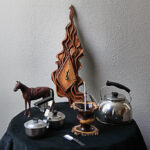
Yerba Mate
A stimulating infusion traditionally used to counter fatigue and boost alertness.
Yerba Mate is a traditional South American infusion made from the dried leaves of Ilex paraguariensis. Known as mate, Jesuit tea or Paraguayan tea, it is valued for stimulant effects related to its caffeine and purine alkaloid content and is traditionally used to combat fatigue, act as a mild diuretic, and support weight-management efforts.
The leaves contain caffeine, theobromine, polyphenols, saponins, vitamins and minerals, and preparations and doses vary widely; as a result, effects and tolerability may differ between individuals. Because of its caffeine content, consumption is often limited or avoided by pregnant or breastfeeding people, children, and those with cardiac, sleep or anxiety disorders; consult a healthcare professional for personalized advice.
At a Glance
Yerba mate is a traditional South American infusion prepared from the dried leaves of Ilex paraguariensis and commonly used for its stimulant and diuretic properties. The leaves contain caffeine, theobromine, theophylline, polyphenols, saponins, vitamins and minerals, and effects and tolerability may vary by individual.
| Common name |
|
|---|---|
| Scientific name | Ilex paraguariensis |
| Plant family | Aquifoliaceae |
| Origin | South America |
| Parts used | Leaves |
| Active compounds |
|
| Main benefits |
|
| Available forms |
|
Origin & History
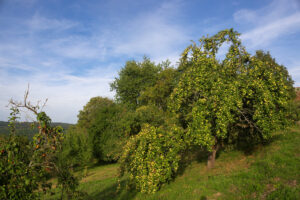
Yerba mate is native to subtropical forests of South America and is traditionally harvested from Ilex paraguariensis populations in Paraguay, Uruguay, Argentina and southern Brazil. The species thrives in riverine and montane habitats, typically between about 500 and 1000 meters above sea level; leaves are collected at maturity, dried and prepared as an infusion or processed into supplements.
Indigenous Guaraní communities first used mate leaves by chewing or infusing them to counter fatigue and support sustained activity, a practice that was later adopted and spread by European settlers and Jesuit missionaries. Over time the beverage became a regional staple and commercial cultivation expanded, leading to diverse preparations and the global spread of mate culture and products.
Composition & Active Compounds
Yerba mate leaves are leathery, evergreen, oval and slightly toothed, harvested when mature then dried and typically chopped for infusion or processing into supplements. Chemically the leaves contain purine alkaloids (caffeine, theobromine, theophylline), phenolic acids (chlorogenic, caffeic, quinic), flavonoids such as rutin, triterpenic saponins (matesaponósidos, mateglucósidos), plus vitamins and minerals, and these constituents determine much of the plant’s stimulant profile, flavor and nutritive contributions in preparations. The dried leaves are the part most used in infusions and dietary preparations.
- Caffeine: purine alkaloid that acts as a central nervous system stimulant and is a primary active constituent
- Theobromine: purine alkaloid related to caffeine present in mate leaves
- Theophylline: purine alkaloid chemically related to caffeine and theobromine
- Chlorogenic acid: a phenolic acid commonly found in plant foods
- Caffeic acid: a phenolic acid present in many herbs and foods
- Quinic acid: organic acid occurring alongside chlorogenic compounds
- Flavonoids (rutin): polyphenolic compounds contributing to flavor and potential bioactivity
- Saponins (matesaponósidos, mateglucósidos): triterpenic saponins characteristic of mate leaves, contributing to bitterness and foam
- Vitamins (A, B1, B2, C): micronutrients present in small amounts in the leaves
- Minerals (calcium, iron, magnesium, potassium): essential minerals found in leaf tissue
Properties & Effects
Yerba mate is traditionally used as a stimulating infusion and tonic across South America and is commonly consumed to counter tiredness and support daily activity.
Traditional use and regulatory assessments most strongly support yerba mate’s antifatigue properties.
- Antifatigue: Research and traditional use suggest it may help reduce feelings of physical and mental fatigue.
- Diuretic: Studies indicate it may support increased urine production and excretion.
- Support for weight management: Some research suggests it may assist with weight-management efforts, though effects and tolerability vary by individual.
Dosage & How to Use
Specific dosing guidelines are not established and may vary by preparation and product.
| Antifatigue |
|
|---|---|
| Diuretic |
|
| Support for weight management |
|
Safety, Side Effects & Contraindications
Products containing yerba mate are not recommended for pregnant or breastfeeding people, and are not advised for children and adolescents under 18; consumption is also often limited for individuals with cardiac conditions, anxiety or insomnia, gastroesophageal reflux disease, stomach or duodenal ulcers, kidney disease, osteoporosis or diabetes.
Excessive intake can cause caffeine-related side effects such as nervousness, anxiety, agitation, palpitations, insomnia, stomach irritation and diarrhea. Because yerba mate contains caffeine, it may interact with medications and conditions that are affected by stimulants or by changes in heart rate, blood pressure or blood sugar; consult a healthcare professional before use if taking prescription medicines or managing chronic conditions.
- Pregnancy and breastfeeding: not recommended due to caffeine content
- Children and adolescents: not recommended for under eighteen years
- Cardiac conditions: limit or avoid use
- Anxiety or insomnia: limit or avoid use
- Gastroesophageal reflux: limit or avoid use
- Stomach or duodenal ulcer: limit or avoid use
- Kidney disease: limit or avoid use
- Osteoporosis: limit or avoid use
- Diabetes: limit or avoid use
Contains caffeine; avoid or limit use in pregnancy, breastfeeding, children and people with heart disease, anxiety, insomnia, ulcers, kidney disease, osteoporosis or diabetes, and consult a healthcare professional before use.