
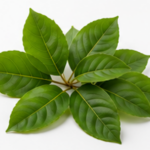
Ravintsara
A cineole‑rich leaf oil traditionally used for respiratory support and seasonal wellbeing.
Ravintsara is an evergreen tree commonly cultivated in Madagascar; its essential oil is steam‑distilled from freshly harvested leaves and is rich in 1,8‑cineole (eucalyptol) along with monoterpenes and monoterpenols. Traditionally used in winter respiratory care, the oil is regarded in empirical practice for expectorant and antiviral actions, but clinical research is limited and effects may vary by individual.
Typical administration routes include diffusion and diluted topical massage, with occasional short inhalation or bath use; the oil is also sold as a concentrated essential oil. Ravintsara can have calming or mildly sedative effects linked to alpha‑terpineol, yet it should be used with caution: avoid during pregnancy and breastfeeding, do not apply to eyes or mucous membranes, and seek medical advice before use in young children or in people with epilepsy or asthma.
At a Glance
Ravintsara is an evergreen laurel cultivated chiefly in Madagascar; its essential oil is produced by steam distillation of freshly harvested leaves. The oil is characterised by a high 1,8‑cineole (eucalyptol) content alongside various monoterpenes and monoterpenols. Traditional use emphasises respiratory and invigorating applications, but effects can vary between individuals.
| Common name |
|
|---|---|
| Scientific name | Cinnamomum camphora CT 1,8‑cineole |
| Plant family | Lauraceae |
| Origin | Madagascar (introduced from Asia) |
| Parts used | Leaves |
| Active compounds |
|
| Main benefits |
|
| Available forms |
|
Origin & History
Ravintsara—literally “good leaf” in Malagasy—is a laurel tree native to Asia (China, Japan, Vietnam) and today closely associated with Madagascar, where a cineole‑rich chemotype is cultivated. The essential oil is produced by steam distillation of freshly harvested leaves, and its chemical profile varies with origin, harvest timing and sunlight exposure.
In the early 20th century the species was widely cultivated in several countries to extract camphor for industrial uses such as celluloid production. The tree grows 15–30 metres tall and adapts to a range of altitudes and climates, preferring well‑drained sandy soils and areas with substantial rainfall; introduced to Madagascar in the 19th century, it has since been used locally in traditional respiratory and wellbeing preparations.
Composition & Active Compounds
Ravintsara is a tall evergreen laurel with rough reddish bark and glossy, laurel‑like leaves about 3–10 cm long that contain numerous essential oil cells; the oil is obtained by steam distillation of freshly harvested leaves. Its chemical profile is dominated by oxygenated terpenes and lighter monoterpene hydrocarbons — notably 1,8‑cineole (eucalyptol) alongside monoterpenols and other monoterpenes, with smaller amounts of sesquiterpenes; these constituents determine the oil’s aroma, volatility and traditional aromatic uses, though individual effects vary.
The essential oil of ravintsara is dominated by 1,8‑cineole (eucalyptol), which is the principal marker of the Madagascar cineole chemotype.
- 1,8‑cineole (eucalyptol): an oxygenated monoterpene responsible for the characteristic camphoraceous‑eucalyptol scent and major constituent by percentage.
- α‑terpineol: a monoterpenol that contributes floral, slightly sweet notes and is associated with calming fragrance characteristics.
- linalool: a monoterpenol with a floral aroma that influences the oil’s softer scent facets.
- α‑pinene: a monoterpene hydrocarbon adding fresh, pine‑like top notes.
- β‑pinene: a monoterpene hydrocarbon contributing resinous, green‑woody aroma facets.
- myrcene: a monoterpene hydrocarbon with herbaceous, balsamic odor qualities.
- sesquiterpenes: heavier volatile components that affect fragrance depth and stability.
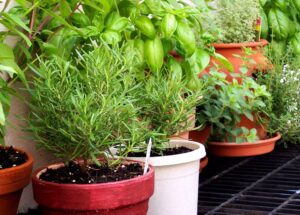
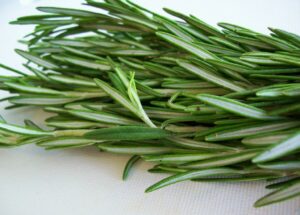
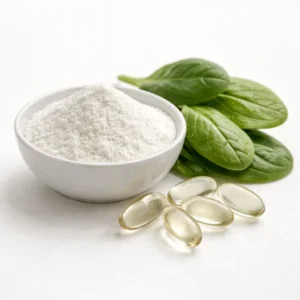
Properties & Effects
Ravintsara essential oil is traditionally associated with respiratory care and overall revitalising uses, especially in winter. Empirical practice emphasises its use for clearing airways, supporting immunity and improving a sense of wellbeing, though outcomes can vary by individual.
Among its traditional and studied actions, antiviral and respiratory‑supporting effects are the most frequently highlighted in both practice and limited research.
- Antiviral: may support care for respiratory viral episodes and is traditionally used in homes during periods of increased viral circulation.
- Expectorant: may help loosen and clear bronchial mucus and ease congestion in colds and bronchial conditions.
- Immunostimulant: may support immune responsiveness and is used as a tonic in times of seasonal vulnerability.
- Relaxant / Sedative: may promote relaxation and help ease mild sleep disturbances for some people.
- Energizing / Tonifying: may produce an uplifting or invigorating sensation and help restore a sense of wellbeing during temporary fatigue.
Dosage & How to Use
Reported usage and quantities from traditional guidance and source protocols are summarised below; follow local regulations and professional advice when applying essential oils.
| Influenza |
|
|---|---|
| Common cold / nasopharyngitis / bronchitis |
|
| Otitis |
|
| Cold sore (herpes labialis) |
|
| Immune support |
|
| Sleep |
|
Safety, Side Effects & Contraindications
Ravintsara essential oil is reported to have low acute toxicity and can be applied to adult skin in many traditional protocols, but individual sensitivity and allergic reactions may occur so cautious use is advisable. Patch testing, appropriate dilution for topical use, and professional guidance for therapeutic use are prudent.
According to the provided facts, certain groups should avoid or limit use: do not use during pregnancy or breastfeeding, and avoid contact with eyes and mucous membranes. Children under 6 years and people with epilepsy or asthma should not use ravintsara without medical advice. The facts do not list specific drug interactions; consult a healthcare professional if taking medications or managing chronic conditions.
- Pregnancy and breastfeeding: avoid use during pregnancy and lactation.
- Eyes and mucous membranes: do not apply to eyes or mucous membranes.
- Young children: children under 6 years should not use without medical advice.
- Epilepsy: avoid use without medical advice.
- Asthma: use only with medical supervision in people with asthma.
Avoid use during pregnancy and breastfeeding; consult a healthcare professional before use in young children or people with epilepsy or asthma, and before combining with medications.