
White Horehound
A bitter respiratory herb long used to support expectoration.
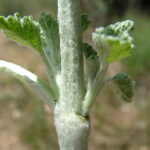
White Horehound (Marrubium vulgare) is a hardy Lamiaceae herb native to Europe, North Africa and Asia, recognizable by its woolly gray stems and small white flowers. The flowering tops are the part most commonly harvested; preparations include infusions, tinctures and standardized capsules, and the species is documented in European herbal monographs and traditional formularies.
Phytochemically, white horehound contains diterpenic lactones (notably marrubiina), mucilages, phenylpropanoid glycosides such as verbascoside, flavonoids and essential oils (α-pinene, limonene). It has a long history of traditional use to support respiratory function as an expectorant and mucolytic, but effects and tolerability may vary by individual. Safety notes indicate it is not recommended during pregnancy and should be used cautiously by people with blood-sugar disorders or orthostatic hypotension.
At a Glance
A perennial member of the Lamiaceae, White Horehound grows with woolly gray stems and small white flowers and is harvested for its flowering tops used in herbal preparations. It has a long history in European and Mediterranean herbal traditions and is commonly prepared as infusions, tinctures and standardized capsules. Its constituents include diterpenic lactones such as marrubiina, mucilages, phenylpropanoid glycosides and essential oils, and traditional use emphasizes expectorant and mucolytic actions while effects may vary by individual.
| Common name |
|
|---|---|
| Scientific name | Marrubium vulgare |
| Plant family | Lamiaceae |
| Origin | Europe, North Africa and Asia |
| Parts used | Flowering tops |
| Active compounds |
|
| Main benefits |
|
| Available forms |
|
Origin & History
White Horehound (Marrubium vulgare) originates from Europe, North Africa and parts of Asia and is commonly found on roadsides, dry meadows and waste ground. The plant is a low, hardy perennial with woolly gray stems and small white flowers; the flowering tops are typically harvested in summer for use in herbal preparations.
White Horehound featured in ancient preparations such as Theriac and was valued in Egypt and classical Greece for calming respiratory complaints. Known since antiquity, it carried names and uses across cultures—the Egyptians associated it with Horus, and Dioscorides recorded decoctions for pulmonary ailments—while later European traditions preserved it in pharmacopeias and folk remedies. Its ease of cultivation and bitter, aromatic character helped secure its place in herbal lists across the Mediterranean and beyond.
Composition & Active Compounds
White Horehound is a low perennial with woolly gray stems, oval toothed leaves and small white sessile flowers; plants typically reach 30–45 cm and the flowering tops are the part most commonly harvested. Its chemistry includes diterpenic lactones, phenylpropanoid glycosides, flavonoids and methoxylated flavones, mucilages, tannins, characteristic nitrogenous compounds and volatile oils such as α-pinene and limonene, which together shape the plant’s bitterness, texture and several of its traditional bioactivities.
The flowering tops, rich in diterpenic lactones such as marrubiina, are the part most used in supplements.
- Marrubiina: a diterpenic lactone characteristic of the species, notable among the bitter constituents.
- Premarrubiina: a related diterpenic lactone present alongside marrubiina.
- Verbascoside: a phenylpropanoid glycoside contributing to the plant’s phenolic and antioxidant profile.
- Forsitiósido B: a named phenylpropanoid glycoside found in the extract.
- Arenariosido: a phenylpropanoid glycoside included among the plant’s phenolics.
- Ballotetrosido: another phenylpropanoid glycoside reported in the species.
- Flavonoids: polyphenolic compounds contributing to antioxidant activity.
- Flavonas metoxiladas: methoxylated flavone derivatives present in the plant.
- Mucilages: polysaccharide components that provide a viscous, soothing texture.
- Essential oils (α-pinene, limonene): volatile terpenes that contribute aroma and the plant’s aromatic profile.
- Tannins: Lamiaceae-associated polyphenols present in the herb.
- Nitrogenous compounds: characteristic nitrogen-containing constituents found in the family.


Properties & Effects
White Horehound is traditionally known for its role in supporting respiratory function and for a range of circulatory and metabolic effects recorded in phytotherapy literature. Preparations from the flowering tops have been used historically for coughs and bronchial congestion, while extracts have been investigated for antioxidant and lipid-modulating actions.
The best-documented traditional use is as a respiratory expectorant and mucolytic to aid clearance of bronchial secretions.
- Expectorant: may support the loosening and expulsion of mucus in productive coughs.
- Mucolytic: may help reduce mucus viscosity to ease expectoration.
- Antispasmodic: traditionally used to help relieve bronchial muscle spasm and reduce coughing associated with mixed presentations.
- Antiseptic (pulmonary): traditionally applied to support airway hygiene during bronchial congestion.
- Antioxidant: research suggests it may contribute to reducing oxidative stress and limiting lipid oxidation.
- Anti-atherogenic: studies indicate it may help support healthier cholesterol balance and processes linked to plaque formation.
- Mild antihypertensive: may support modest reductions in blood pressure via vasodilatory effects.
- Hypoglycemic and antitriglyceridic: research suggests a potential modest lowering effect on blood glucose and triglyceride levels.
Dosage & How to Use
Dosing guidance varies by preparation; the following traditional recommendations are commonly cited for capsules and infusions.
| Capsules or tablets |
|
|---|---|
| Infusion |
|
Safety, Side Effects & Contraindications
White Horehound is not recommended for use during pregnancy and should be avoided by people with diabetes or other blood-sugar disorders and by those with orthostatic hypotension. These precautions reflect the plant’s mild hypoglycemic and vasodilatory properties noted in phytotherapy sources.
No adverse effects have been widely reported to date, but individual tolerance varies and reactions are possible. Consult a healthcare professional before using White Horehound if taking glucose-lowering or blood-pressure-lowering medications, as additive effects cannot be excluded.
- Pregnancy: Not recommended for use during pregnancy.
- Diabetes or blood-sugar disorders: Use is not recommended because of a mild hypoglycemic action.
- Orthostatic hypotension: Not recommended due to a slight hypotensive effect.
Not recommended during pregnancy; avoid or use with caution if you have diabetes, blood-sugar disorders, or low blood pressure. Consult a healthcare professional before use, especially if taking glucose- or blood-pressure-lowering medications.