
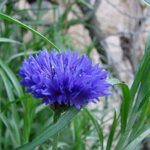
Cornflower
Cooling floral hydrosol used to soothe tired eyes and refresh skin.
Cornflower (Centaurea cyanus) is an annual herb noted for its vivid blue or purple blossoms and a long history of topical use. The floral water or hydrosol distilled from the flowers is commonly employed in gentle eye-care and skincare routines for its cooling, mildly astringent character and delicate cleansing properties.
Applied locally with cotton pads, compresses or a fine mist, cornflower hydrosol is used to help soothe and decongest tired or irritated eyes and to tone and refresh fatigued skin. The flowers contain anthocyanins, flavones and protocyanin; individual responses vary and effects cannot be guaranteed.
At a Glance
Cornflower is an annual European wildflower (Centaurea cyanus) traditionally used topically; the flowers are harvested for drying and also distilled to produce a floral water. The hydrosol is commonly applied with cotton pads, compresses or a fine mist for gentle eye and skin care.
Flower constituents include anthocyanins and flavones, and the plant has been used historically to soothe ocular irritation and to tone fatigued skin; individual responses vary.
| Common name |
|
|---|---|
| Scientific name | Centaurea cyanus |
| Plant family | Asteraceae |
| Origin | Europe |
| Parts used | Flowers |
| Active compounds |
|
| Main benefits |
|
| Available forms |
|
Origin & History
Cornflower (Centaurea cyanus) is an annual herb native to Europe that traditionally grew in open, sunny habitats such as fields, roadsides and waste ground. The plant is hardy and adaptable to a range of conditions, flowering in early summer; intensive modern agriculture and herbicide use have reduced wild populations, and the species is now cultivated in several European regions, notably in France.
Use of cornflower flowers for eye and skin applications dates back centuries, with mentions in medieval herbals and regular use by early modern apothecaries who prepared topical washes from the petals. In French cultural memory the cornflower became a strong symbol of remembrance and solidarity with veterans and victims of war, reputedly one of the few plants to grow on battlefields and in trenches. The plant also appears in traditional cosmetic and folk practices, and floral water (hydrosol) distilled from the flowers has been a long-standing preparation for gentle topical use; historical accounts include references by Hildegard von Bingen and recipes for ocular lotions in Renaissance apothecaries.
Composition & Active Compounds
Cornflower is a 20–60 cm annual with rigid grey-green stems, lanceolate leaves and characteristic blue to purple flower heads (sometimes white, pink or yellow in cultivated varieties). The dried flowers contain a mix of polysaccharides (including pectin), a range of polyphenols (notably anthocyanins, flavones and protocyanin) and smaller components described as polyenes and polyins; these constituents underlie the flower’s color and its traditional topical applications.
The flowers are the primary part used, harvested for drying or distilled to produce a floral water (hydrosol).
- Anthocyanins: pigmented polyphenols responsible for blue and purple coloration, linked to the flower’s topical properties.
- Flavones: a class of polyphenolic compounds commonly found in petals, associated with mild bioactivity in plant extracts.
- Protocyanin: a specific pigment within the polyphenol group, contributing to color and extract characteristics.
- Polysaccharides (pectin): structural carbohydrates that can affect texture and help form aqueous extracts.
- Polyenes: unsaturated compounds reported among the minor constituents of the flowers.
- Polyins: other minor constituents recorded in composition summaries of the petals.
Properties & Effects
Cornflower is traditionally used as a topical floral water or dried flower preparation for gentle eye and skin care, valued for its cooling and mildly astringent character. Uses focus on local application around the eyes, on the face and occasionally as a mouth rinse for irritated oral tissues.
The most widely cited use is as a soothing and decongestant treatment for tired or irritated eyes.
- Soothing for eyes: traditionally used to help ease sensations of ocular irritation and fatigue; individual responses vary.
- Decongestant for eyes: commonly applied to reduce puffiness and local congestion around the eyelids in topical routines.
- Anti-inflammatory: research and historical use suggest it may support reduction of local inflammation in superficial tissues.
- Antiseptic: sometimes used externally with the intention of supporting cleanliness in minor topical irritations.
- Astringent and revitalizing for skin: applied as a toner or floral water to refresh and firm tired or dull facial skin.
- Anti‑itch: traditionally used to soothe mild itching of superficial skin and eyelid margins.
- Oral mucosa support: used as a gentle rinse for temporary mouth or gum irritation, such as minor sores or inflamed gums.
Dosage & How to Use
Apply cornflower floral water topically; the dose depends on the intended local application.
| Around the eyes |
|
|---|---|
| Face |
|
| Whole body |
|
Safety, Side Effects & Contraindications
No contraindications or adverse effects have been reported for cornflower floral water in the provided sources; however, individual responses can vary and sensitivity is possible. People with known allergy to members of the Asteraceae family or with sensitive skin should perform a patch test and stop use if irritation develops; for persistent or severe eye symptoms, seek professional assessment before applying any topical product to the eyes.
The facts do not list interactions with medications or medical conditions. As a precaution, consult a healthcare professional before using cornflower preparations near the eyes or mouth if pregnant, breastfeeding, taking systemic medications, or managing a chronic health condition.
Consult a healthcare professional before using cornflower near the eyes or mouth, and avoid use if allergic to Asteraceae or if persistent irritation occurs.