
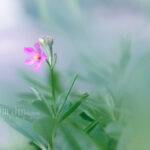
Ginseng
An adaptogenic root traditionally used to support energy and resilience.
Ginseng (Panax ginseng) is a perennial medicinal plant in the Araliaceae family native to northeast Asia. The root—typically matured for several years before harvest—contains ginsenosides, polysaccharides and other constituents and has long been used as an adaptogenic tonic traditionally associated with support for energy, stamina and mental performance.
Modern research has investigated ginseng’s antioxidant, neuroprotective and immune‑modulating activities, and commercial preparations are available as white or red root powders, extracts, capsules and liquid formulas. Individual responses and tolerability vary; interactions with medicines and specific health conditions have been reported, so seek professional advice before using ginseng supplements.
At a Glance
Panax ginseng is a perennial medicinal plant native to northeast Asia whose mature root is used in traditional medicine as an adaptogenic tonic. The root contains ginsenosides, polysaccharides, alkaloids and phenolic acids and is associated with stimulant, antioxidant and immune‑modulating activities.
| Common name |
|
|---|---|
| Scientific name | Panax ginseng |
| Plant family | Araliaceae |
| Origin | Northeast Asia |
| Parts used | Roots |
| Active compounds |
|
| Main benefits |
|
| Available forms |
|
Origin & History
Panax ginseng is native to the temperate forests of northeast Asia and has been collected and cultivated there for several millennia. The plant grows as an understorey species that prefers acidic, well‑drained soils and shaded conditions; its therapeutic value is concentrated in the thickened root, which traditionally requires multiple years of growth before harvest.
In traditional East Asian materia medica, ginseng was long prized as a principal tonic and restorative, often reserved for important formulations and elite use. Over time its reputation and demand spread beyond local use, leading to specialized cultivation techniques, regional trade and the development of white and red root preparations used in a variety of cultural remedies and commercial products.
Composition & Active Compounds
The ginseng root is typically amber to white in color with a central taproot and several secondary roots, often described as resembling a human form; roots used for supplements are commonly harvested after multiple years of growth and may be processed as white or red ginseng. Chemically the root contains a complex mix of saponins, carbohydrates and other phytochemicals, with ginsenosides, polysaccharides, alkaloids, glucosides and phenolic acids identified as primary constituents.
Ginsenosides are the most studied compounds and are considered the primary bioactive constituents of ginseng root.
- Ginsenosides: saponin compounds that are the focus of much research into ginseng’s traditional uses
- Polysaccharides: abundant carbohydrate molecules present in the root
- Alkaloids: minor nitrogenous constituents contributing to the overall chemical profile
- Glucosides: glycoside compounds noted particularly in red ginseng preparations
- Phenolic acids: phenolic compounds associated with antioxidant activity
Related Herbs
Properties & Effects
Ginseng root is traditionally used as a restorative adaptogen and tonic to support energy and resilience. Ginseng is most commonly documented as a tonic with stimulant effects for supporting energy and mental performance.
- Stimulant and tonic effects: May support physical energy and mental focus during fatigue.
- Antioxidant activity: May support the body’s defenses against oxidative stress.
- Neuroprotective effects: Research suggests it may support nervous system health and cognitive resilience.
- Immune stimulation: May support immune system activity and response.
- Metabolic support: May support healthy metabolic function and glucose regulation.
- Cardiovascular support: May support healthy lipid metabolism and circulatory function.
- Dermatological support: May support skin healing and management of certain chronic skin conditions.
- Anticancer potential: Research has reported activity in experimental studies, though clinical relevance is not established.
Dosage & How to Use
Follow recommended dosing on product labels and seek professional guidance when unsure.
| Typical dose |
|
|---|---|
| Recommended duration | Avoid treatment longer than three months without medical advice |
Safety, Side Effects & Contraindications
Certain groups should avoid ginseng or use it only under medical supervision; reported concerns and official guidance advise caution. Without medical advice, ginseng is contraindicated for people with high blood pressure, heart conditions and diabetes, and major health organizations advise against use in pregnant or breastfeeding women and in children.
Excessive or prolonged use has been associated with increased blood pressure, palpitations, insomnia and diarrhea, and treatments beyond recommended durations may raise the likelihood of adverse effects. Ginseng may interact with cardiovascular medications, antidiabetic drugs and anticoagulant therapies, so consult a healthcare professional before starting ginseng if taking prescription medicines or managing chronic conditions.
- High blood pressure: use is contraindicated without medical advice due to potential for increased blood pressure.
- Heart conditions: avoid unless guided by a clinician because of possible cardiovascular effects.
- Diabetes: contraindicated without medical advice and may affect blood sugar or interact with antidiabetic medications.
- Pregnancy: use is discouraged by major health organizations.
- Breastfeeding: use is discouraged by major health organizations.
- Children: use is discouraged by major health organizations.
Ginseng can interact with cardiovascular, antidiabetic and anticoagulant medications and is not recommended for people with high blood pressure, pregnancy, breastfeeding or children; consult a healthcare professional before use.