
Selenium
Essential trace element supporting antioxidant protection and normal immune and thyroid function.
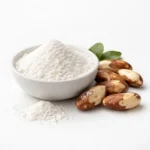
Selenium is an essential trace element incorporated into selenoproteins that support antioxidant defense, normal immune function and thyroid hormone metabolism. It helps protect cells from oxidative stress and contributes to reproductive health; dietary sources include Brazil nuts, seafood, organ meats, cereals and dairy, with food content influenced by soil selenium levels.
Selenium is supplied by food and by supplements in several forms (for example, selenomethionine or selenium-enriched yeast). A reference intake of 55 µg/day is commonly cited; supplements should be used with caution because excessive intake may cause adverse effects such as hair or nail changes, gastrointestinal symptoms and, at very high doses, neurological harm. Uses and effects may vary by individual; medical advice is recommended for pregnant or breastfeeding individuals, people with thyroid or chronic intestinal conditions, and anyone considering supplementation.
At a Glance
Found naturally in soils and in a range of foods, selenium is an essential trace element required in small amounts for human nutrition.
It is incorporated into selenoproteins that contribute to antioxidant defenses and support normal thyroid and immune function.
| Common name | Selenium |
|---|---|
| Scientific name | Se |
| Origin | Earth’s crust and soils |
| Active compounds |
|
| Main benefits |
|
| Available forms |
|
Origin & History
Selenium is a naturally occurring element concentrated in the earth’s crust and taken up by plants from soil; levels in food and forage reflect local soil selenium content, so availability varies geographically. Plants convert inorganic selenium into organic forms that enter the food chain, and animals and humans store selenium largely as selenomethionine in tissues.
The element was named for Selene, the Greek goddess of the Moon, reflecting early chemists’ tradition of classical names. Chemists identified selenium in residues from industrial processes and later incorporated it into the framework of chemical elements; subsequent scientific study revealed its incorporation into selenoproteins and its nutritional significance in human and animal health.
Composition & Active Compounds
Selenium is a soft metalloïde that can occur as gray-black clusters or as a red powder. Plants take up inorganic selenium from soil and convert it into organic forms; the main chemical constituents relevant to nutrition are organic species such as selenomethionine and selenocysteine and various inorganic selenium forms, which differ in absorption and incorporation into selenoproteins.
Selenomethionine is the primary form found in human tissues and is commonly used in supplements for its high bioavailability.
- Selenomethionine: main organic form in tissues, high bioavailability, common in supplements
- Selenocysteine: residue incorporated into selenoproteins, central to enzymatic activity
- Inorganic selenium forms: such as selenate and selenite, plant uptake forms converted to organic species
Related Herbs



Properties & Effects
Selenium is an essential trace element traditionally known for supporting antioxidant defenses and several aspects of normal physiology. It is most notable for its contribution to protecting cells from oxidative stress.
- Antioxidant: May support protection of cells against oxidative damage.
- Immune function: May support the normal function of the body’s immune defenses.
- Thyroid function: May support normal function of the thyroid gland.
- Reproductive function: May support normal sperm production and aspects of male reproductive health.
- Hair and nails: May support maintenance of normal hair and nails.
- Prevention of deficiency: May prevent or correct selenium deficiency in populations with low dietary intake.
- Cardiovascular and cancer risk (investigational): Research suggests supplementation could influence risk factors for cardiovascular disease and some cancers, but evidence is not conclusive.
Dosage & How to Use
Recommended amounts and safety limits for selenium are established to support nutrition while avoiding excess intake.
| Reference intake | 55 µg/day |
|---|---|
| Maximum recommended daily intake (supplements) | 150 µg/day |
| Toxicity threshold |
|
| Minimum content for permitted health claims |
|
Safety, Side Effects & Contraindications
Individuals with certain health conditions and anyone considering supplements should consult a healthcare professional before use. Supplements may be contraindicated in people with an enlarged thyroid (goiter); medical advice is recommended for pregnant or breastfeeding individuals and for children, and people with chronic intestinal disease, those on dialysis, or with HIV may have altered selenium needs.
Excessive selenium intake can cause adverse effects; reported symptoms include hair loss, abnormal nails, nausea, vomiting, fatigue, skin rash and nerve damage. Caution with supplement dosing is advised to avoid exceeding recommended limits.
- Contraindication: Supplements may be contraindicated in people with goiter
- Pregnancy and lactation: Medical advice recommended before use
- Children: Seek medical advice before use
- Dosage warning: Do not exceed 150 µg/day from supplements
- Toxicity threshold: Intakes above 1000 µg/day may cause serious adverse effects such as hair loss and nerve damage
Consult a healthcare professional before using selenium supplements; they may be contraindicated in goiter and should be used with caution in pregnancy, breastfeeding, children, or in chronic intestinal disease or dialysis.