
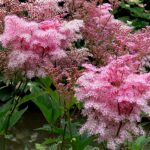
Meadowsweet
A traditional herb valued for soothing inflammation and supporting fluid drainage.
Meadowsweet (Filipendula ulmaria) is a perennial herb native to central and northern Europe, recognizable by its fragrant clusters of white flowers. The plant contains salicylate derivatives, tannins and flavonoids and has a long history of traditional use associated with anti‑inflammatory, diuretic and gastroprotective applications; uses and effects may vary by individual.
Common preparations include dried flowers for infusion, dry extracts in capsules, ampoules and mother tinctures, with traditional dosing ranges of 2–18 g/day of dried herb (infusion), 250–1,500 mg/day of dry extract, or 6–12 ml/day of tincture. Cautions include allergy to salicylates, potential interaction with anticoagulant or antiplatelet medications, and avoidance during pregnancy and lactation; seek professional medical advice before use.
At a Glance
A fragrant perennial of damp habitats, Meadowsweet produces clusters of white flowers that are harvested and dried for traditional herbal preparations.
It contains salicylate derivatives, tannins and flavonoids and is traditionally used for anti‑inflammatory, diuretic and gastroprotective purposes.
Uses and effects may vary by individual; avoid use in pregnancy or lactation and in people with salicylate allergy.
| Common name |
|
|---|---|
| Scientific name | Filipendula ulmaria |
| Plant family | Rosaceae |
| Origin | Central and northern Europe |
| Parts used | Flowers |
| Active compounds |
|
| Main benefits |
|
| Available forms |
|
Origin & History
Meadowsweet is native to central and northern Europe and thrives in damp habitats such as riverbanks, streams, ditches and marshy meadows. The tall perennial produces dense clusters of fragrant white flowers that are traditionally harvested and dried for herbal preparations.
It was regarded as a sacred plant by Druids and was often scattered at weddings to symbolize peace, love and harmony. Across folk and medieval herbal traditions, Meadowsweet has been used for rheumatic complaints, digestive disturbances and topical wound care, with its aroma and astringent tannins valued in both ceremonial and practical use. The presence of plant salicylates later drew scientific interest and helped inform the development of synthetic salicylate medicines. Uses and effects may vary by individual.
Composition & Active Compounds
Meadowsweet is a tall perennial with reddish stems and dense clusters of fragrant white flowers harvested in early summer; the flowers are the part most commonly collected for herbal preparations. Chemically, the plant is rich in phenolic acids (notably salicylate derivatives), tannins and flavonoids, which are the principal constituents cited in traditional use and research as contributing to its activity in planta. The flowers are the primary part used in supplements and are richest in salicylate derivatives.
- Salicylate derivatives: derivatives of salicylic acid, including methyl salicylate and salicylaldehyde; linked to the plant’s traditional anti‑inflammatory profile.
- Tannins: gallotannins and rugosin D; contribute astringent properties and support mucosal protection in traditional contexts.
- Flavonoids: quercetin (quercetol) and kaempferol glycosides; act as phenolic antioxidants and are common bioactive markers.
Related Herbs
Properties & Effects
Meadowsweet is traditionally known for its use in relieving inflammatory discomfort, promoting diuresis and supporting digestive and topical care in folk medicine. Anti-inflammatory use is the most widely documented traditional and research-supported property.
- Anti-inflammatory: May support relief from inflammatory discomfort in traditional use and research contexts.
- Diuretic: May support increased urine output and reduction of fluid retention.
- Gastroprotective: May support protection of the gastric mucosa and reduction of factors associated with ulcers.
- Astringent: May support topical healing and reduction of secretions when applied to the skin.
- Antimicrobial: May support activity against a range of microbes in laboratory studies.
- Antioxidant: May support reduction of oxidative stress through phenolic constituents.
Dosage & How to Use
Traditional dosing varies by preparation and is summarized below.
| Infusion (dried herb) | 2–18 g per day |
|---|---|
| Dry extract (powder) | 250–1,500 mg per day |
| Mother tincture | 6–12 ml per day |
Safety, Side Effects & Contraindications
Meadowsweet contains salicylate derivatives and other bioactive constituents, so some people should avoid it or use it with caution. Clinical interaction data are limited, but caution is advised with medications and conditions that affect bleeding or when there is a known sensitivity to salicylates.
Reported adverse effects are uncommon at recommended doses and are generally mild, including occasional stomach upset, nausea or skin reactions. Uses and effects may vary by individual; seek professional medical advice before combining Meadowsweet with prescription drugs or when considering it during life stages such as pregnancy or breastfeeding.
- Pregnancy and lactation: Not recommended for use during pregnancy or while breastfeeding.
- Salicylate allergy: Do not use if there is a known allergy to salicylates (for example, aspirin).
- Bleeding risk and drug interactions: Use caution with concurrent use of aspirin, anticoagulants (warfarin, heparin) or antiplatelet agents (clopidogrel) because of a potential increased risk of bleeding.
- Possible side effects: Rare cases of gastrointestinal discomfort, nausea or cutaneous reactions have been reported.
Contains salicylate derivatives; avoid if allergic to salicylates, during pregnancy or breastfeeding, or when taking anticoagulant or antiplatelet medications; consult a healthcare professional before use.