
Rosewood
A fragrant essential oil prized for skin-soothing and calming aromatherapy.
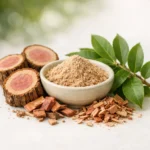
Rosewood (Aniba rosaeodora) is an Amazonian tree valued for the essential oil distilled from its heartwood. The oil is prized in perfumery for its delicate floral, woody aroma with subtle citrusy notes and is commonly used in aromatic blends and fragrance compositions.
Rich in constituents such as linalool and geraniol, rosewood oil appears in aromatherapy, skincare formulations and blended preparations and is usually supplied as a bottled essential oil. Uses and effects may vary by individual; topical products are typically diluted and patch‑tested before wider application. Wild populations have been overexploited and the species is subject to conservation concerns, which has shaped cultivation and sourcing practices.
At a Glance
A tropical hardwood native to parts of the Amazon Basin, rosewood is harvested for an aromatic essential oil distilled from its heartwood.
The oil is prized in perfumery for a delicate floral-woody scent and is also used in aromatherapy and skincare formulations. Wild populations have been overexploited, so sourcing and conservation are important considerations.
| Common name |
|
|---|---|
| Scientific name | Aniba rosaeodora |
| Plant family | Lauraceae |
| Origin |
|
| Parts used | Wood (heartwood/chips) |
| Active compounds |
|
| Main benefits |
|
| Available forms |
|
Origin & History
Rosewood (Aniba rosaeodora) is native to Guyana, Brazil, Colombia, Ecuador, Peru and Mexico, where it prospers in warm, humid tropical and subtropical forests. The species is dioecious and can attain large size; its fragrant heartwood is the primary source of the essential oil that made the tree commercially important. Overexploitation for timber and oil extraction has reduced wild populations and led to protective measures and development of cultivated sources.
The heartwood oil has long been valued in perfumery for a delicate floral-woody scent with subtle citrusy notes and has been used in aromatic blends and topical fragrance preparations. The essential oil became a prized ingredient in fine perfumes for its rose-like aroma. The common name “palo de rosa” has also been applied to unrelated Dalbergia species used historically in European cabinetry and marquetry, so botanical identification matters when reviewing historical uses and trade.
Composition & Active Compounds
Rosewood is a tall tropical tree whose fragrant heartwood yields an essential oil with a delicate floral-woody aroma and subtle citrusy notes. The oil is chemically rich in monoterpene alcohols and aromatic esters, with linalool, geraniol, alpha-terpineol, benzyl benzoate and limonene among the main constituents. The heartwood is the primary source of distilled essential oil, in which linalool is typically the dominant compound.
- Linalool: monoterpene alcohol that contributes a floral scent and is a major component of rosewood oil.
- Alpha-terpineol: monoterpene alcohol with a mild floral-woody aroma that contributes to the oil’s fragrance.
- Geraniol: acyclic monoterpene alcohol with a rose-like scent important to fragrance profiles.
- Benzyl benzoate: aromatic ester that acts as a fragrant fixative and solvent in essential oil preparations.
- Limonene: monoterpene with a citrus aroma that adds fresh top notes.
Properties & Effects
Rosewood is traditionally known for the fragrant essential oil obtained from its heartwood and for uses in perfumery, aromatherapy and topical skincare formulations. Its most noted application is as a skin-soothing ingredient in cosmetic and topical products.
- Skin soothing: may support skin hydration and help calm irritated or sensitive skin when used in diluted topical formulations.
- Nervous system calming: may support reduced feelings of anxiety and promote relaxation while sometimes helping alertness and focus.
- Antispasmodic: may support relief of localized muscle tension and ease muscular tightness when applied in massage.
- Analgesic: may support reduction of mild discomfort in muscles and other tissues.
- Antimicrobial and antiparasitic: research suggests activity against certain bacteria, fungi and some parasites in laboratory studies.
Dosage & How to Use
Typical topical and aromatic dosing is described below; follow dilution and safety guidance and patch-test before wider use.
| Antispasmodic |
|
|---|---|
| Nervous system calming — topical |
|
| Nervous system calming — diffusion |
|
| Nervous system calming — bath | 5–6 drops in bath water |
| Skin and anti-wrinkle |
|
Safety, Side Effects & Contraindications
Rosewood essential oil can cause allergic reactions in sensitive individuals, so dilute properly and perform a patch test before wider topical use. The facts report no other commonly observed side effects, but individual responses vary and vigilance is advised.
The oil’s constituents have been described as interacting with muscarinic receptors and influencing bronchial function in the lungs, so people with asthma or reactive airway conditions should exercise caution and consult a healthcare professional before use. Use during pregnancy and in young children is specifically discouraged in the provided guidance.
- Pregnancy: Not recommended for use by pregnant women.
- Children: Not recommended for children under six years of age.
- Allergy: Linalool can be allergenic in susceptible people; perform a skin patch test before topical use.
Not recommended during pregnancy or for children under six; may cause allergic reactions and can affect airway function in sensitive people. Consult a healthcare professional before use, especially if pregnant, nursing, treating children, or managing respiratory or allergic conditions.