
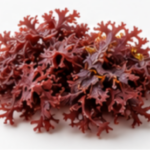
Lithothamnium
A mineral-rich marine alga used as a natural source of calcium and magnesium.
Lithothamnium is a calcified red alga (maerl), Phymatolithon calcareum, native to the North Sea, English Channel, Atlantic and Mediterranean coasts. It forms hard, coral‑like nodules that are rich in calcium carbonate and other minerals; harvested material is washed, dried and milled to a white powder commonly used in supplements as a remineralizing source of calcium and magnesium.
Its naturally alkaline mineral matrix is associated with antacid activity, and research has explored anti‑inflammatory effects and potential support for bone and cartilage health. Supplement formats typically include capsules or tablets (often 250–700 mg per unit, with daily regimens up to around 2500 mg reported); individual responses vary, and Lithothamnium is not recommended for people following an iodine‑free diet, so medical advice is advisable when in doubt.
At a Glance
A calcified red seaweed that forms hard, coral-like nodules and concentrates minerals from seawater.
It is harvested, washed, dried and milled into a white powder used in supplements for its high calcium and magnesium content. Research has explored antacid and anti‑inflammatory activity and potential support for bone and cartilage remineralization; effects vary by individual.
| Common name |
|
|---|---|
| Scientific name |
|
| Classification | Corallinaceae |
| Origin |
|
| Parts used | Whole algae |
| Active compounds |
|
| Main benefits |
|
| Available forms |
|
Origin & History
Lithothamnium is a calcified red alga found along temperate coasts of the North Sea, the English Channel, the Atlantic Ocean and the Mediterranean Sea. It grows as hard, coral‑like nodules on substrates such as gravel, pebbles and shells and is present from shallow tidal (mediolittoral) zones down through infralittoral and circalittoral depths; mature thalli often detach and may be collected from coastal beds and deeper bottoms.
Historically, maerl beds were harvested by coastal communities and used to add mineral‑rich material to soils and animal feed, and later processed for human supplements and agronomic uses. Over time the dried and milled alga has found roles in agriculture, water treatment and as a source of minerals for livestock and dietary formulations; cultural uses reflect its reputation as a naturally mineralized marine resource, while methods of collection and processing have evolved with industrial demand.
Composition & Active Compounds
Lithothamnium is a calcified red alga with a hard, coral‑like, pink‑purple appearance that becomes a white, powdery material after washing and drying. Chemically it is dominated by mineral constituents, notably calcium in the form of carbonate, with significant magnesium and a range of trace elements derived from seawater; these minerals form the active matrix used in supplement preparations and underlie its use as a mineral source and antacid agent.
Calcium carbonate is the primary constituent used in supplements and accounts for the alga’s high mineral content.
- Calcium (carbonate): major mineral component, can constitute a high proportion of calcified thalli and contributes to the alga’s mineral and antacid properties
- Magnesium: present in the mineral matrix and part of the nutritive profile
- Iron: present as a trace element within the oligoelement mix
- Other trace minerals: assorted oligoelements crystallized from seawater that add to the overall mineral content
Related Herbs

Properties & Effects
Lithothamnium is a calcified marine alga traditionally used as a mineral source in agriculture, animal feed and dietary preparations. Coastal harvest and processing produce a mineral‑rich powder that has been applied for remineralizing purposes and related uses.
The alga’s remineralizing (calcium‑rich) profile is the most consistently documented and cited property.
- Remineralizing: may support mineral replenishment of bone and cartilage and help address mineral shortfalls.
- Anti-inflammatory: research suggests it may support reduction of joint and rheumatic discomfort.
- Antacid: may help neutralize gastric acidity and relieve symptoms such as heartburn or reflux.
- Antimicrobial (urinary/Candida): some studies indicate it may contribute to reducing certain urinary tract infections and candidiasis in specific contexts.
Dosage & How to Use
Typical supplemental dosing varies by product and individual needs.
| Supplement capsule/tablet |
|
|---|---|
| Daily dose example |
|
Safety, Side Effects & Contraindications
People considering Lithothamnium should consult a healthcare professional when uncertain about suitability; individualized advice is particularly important for anyone with dietary restrictions or who is taking prescription medications. The facts note a specific caution regarding iodine intake and recommend medical guidance when in doubt.
Reported side effects are minimal in the available information and no major adverse effects have been documented to date, but the absence of reported issues does not guarantee safety for every individual. The provided facts do not list specific drug interactions; as with any concentrated mineral supplement, discuss use with a clinician if managing medical conditions or taking medicines that affect mineral or acid–base balance.
- Diet without iodine: Not recommended for people following an iodine‑free diet; seek medical advice if unsure.
Not recommended for people on an iodine-free diet; consult a healthcare professional before use, especially if pregnant, breastfeeding, taking medication, or managing a medical condition.