
L-Citrulline
A dietary amino acid supporting muscle metabolism and vascular function.
L-Citrulline is a non-essential, non-proteogenic amino acid named for its discovery in watermelon (Citrullus vulgaris). Naturally present in several fruits and vegetables and produced in the small intestine, it acts as a metabolic intermediate and a precursor to arginine, playing a role in pathways linked to nitric oxide synthesis and vascular function.
As a dietary supplement, L-citrulline is commonly used to support muscle metabolism and exercise endurance by helping to modulate blood flow and nutrient delivery; typical oral doses range from 3–5 grams a day, often taken before physical activity. Individual responses vary, and reported effects depend on factors such as dose, timing, and overall health status.
At a Glance
A naturally occurring amino acid derived from watermelon and produced in the small intestine, L-citrulline functions as a metabolic intermediate and a precursor to arginine.
It is commonly included in supplements to support muscle metabolism, vascular function, and brain-related metabolic processes, although effects vary among individuals.
| Common name |
|
|---|---|
| Scientific name | 2-amino-5-(carbamoylamino)pentanoic acid |
| Classification | Amino acid |
| Origin |
|
| Parts used |
|
| Active compounds |
|
| Main benefits |
|
| Available forms |
|
Origin & History
L-citrulline was first identified more than 70 years ago from watermelon (Citrullus vulgaris). The compound occurs naturally in watermelon pulp at approximately 0.7 to 3.5 grams per kilogram depending on species and ripeness and is also present in smaller amounts in other cucurbit fruits such as melon, cucumber, pumpkin and squash; in most mammals the small intestine is the main site of citrulline synthesis, and circulating concentrations depend on the balance between intestinal production and renal conversion to arginine.
Watermelon has been cultivated and consumed across many regions, making it the principal traditional dietary source of citrulline. Citrulline is additionally found in legumes, seeds and some animal foods, and its recognition shifted from a simple metabolic intermediate to a compound of interest after research highlighted roles in muscle, vascular and brain-related metabolic pathways.
Composition & Active Compounds
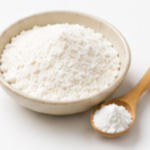
L-citrulline is a colorless, odorless powder at room temperature and is chemically an amino acid (2-amino-5-(carbamoylamino)pentanoic acid) with a single asymmetric carbon; it is non-proteogenic and acts as a metabolic intermediate and precursor to arginine and downstream nitric oxide-related compounds. The chemical characteristics and water-soluble powder form make it easy to include in dietary supplements and formulations.
L-citrulline is the primary active compound used in supplements and is the key constituent linked to its metabolic and vascular effects.
- L-citrulline: non-proteogenic amino acid, precursor to arginine and involved in nitric oxide-related pathways
- L-arginine: related amino acid produced from citrulline, substrate for nitric oxide synthesis

Properties & Effects
L-citrulline is traditionally known as a dietary amino acid used to support muscle and vascular health and as a metabolic intermediate produced in the small intestine. It is most commonly used to support muscle metabolism and exercise endurance, though individual responses vary.
- Muscle metabolism: research suggests it may support healthy protein balance and muscle metabolic processes.
- Exercise endurance: it may support stamina and performance during physical activity for some individuals.
- Brain metabolism: it may support healthy metabolic activity in the brain.
- Vascular function: it may support cardiovascular health and normal blood vessel function.
- Immune support: it may support aspects of immune cell function and inflammatory balance.
Dosage & How to Use
Typical supplemental dosing and timing used in research and product guidance are summarized below.
| Oral |
|
|---|
Safety, Side Effects & Contraindications
People with existing health conditions or those taking prescription medications should consult a healthcare professional before using L-citrulline; the provided facts do not list specific drug interactions or formal contraindications. Individual circumstances vary, so a clinician can advise on appropriateness, potential interactions, and monitoring needs based on personal medical history.
Reported side effects are minimal in the provided information; unlike some related amino acids, L-citrulline supplementation is not associated with digestive or intestinal problems in the facts supplied. As with any supplement, individual responses can differ, and if unexpected symptoms occur the supplement should be discontinued and medical advice sought.
Consult a healthcare professional before use, especially if taking prescription medications or if you have existing health conditions.