
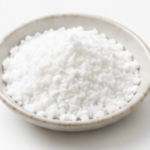
L-Cystine
A sulfur-rich amino acid dimer used to support hair and nail appearance.
L-Cystine, commonly called cystine, is an organic amino acid dimer formed by two cysteine molecules. Its sulfur-containing structure contributes to the formation of keratin, the structural protein in hair and nails, and the compound is frequently included in nutricosmetic supplements and found in protein-rich foods.
Used primarily to support hair and nail appearance, L-cystine is found in formulations combined with vitamins and minerals; daily amounts in supplements typically range from 200 to 800 mg, and courses are often offered for 2–3 months, commonly in spring or autumn. Individual responses vary; supplements may be contraindicated for pregnant or breastfeeding people, children, and those prone to kidney stones, and possible side effects include bad breath, headaches, and nausea—seek professional advice and maintain adequate hydration during use.
At a Glance
Cystine is the disulfide-linked dimer of the amino acid cysteine, a sulfur-containing compound derived from the digestion of protein-rich foods. It is commonly used in nutricosmetic supplements aimed at supporting hair and nail appearance and is often formulated with vitamins and minerals.
Supplemental doses in marketed formulations typically range from about 200 to 800 mg per day and courses are often offered for 2–3 months; individual responses and safety considerations vary by person.
| Common name |
|
|---|---|
| Scientific name | C6H12N2O4S2 |
| Origin |
|
| Active compounds |
|
| Main benefits |
|
| Available forms |
|
Origin & History
L-cystine is the disulfide-linked dimer of the amino acid cysteine and occurs naturally within proteins in both animal and plant tissues; it is released when protein-rich foods are digested. The compound was discovered by William Hyde Wollaston and was later characterized further as chemists clarified its role as a component of proteins.
Its sulfur-rich chemistry led to its adoption in supplements aimed at hair and nail appearance and in investigations of protein composition. Historically, recognition of cistina’s sulfur content connected it to keratin and the structure of hair and nails, and in modern practice it appears in nutricosmetic formulations alongside vitamins and minerals to address cosmetic concerns related to hair and nails.
Composition & Active Compounds
L-cystine is a sulfur-containing amino acid dimer that typically appears as a white crystalline powder with molecular formula C6H12N2O4S2 and is formed by two cysteine molecules. It is present within proteins from both animal and plant sources and is valued in formulations for its role in supplying sulfur used in structural proteins such as keratin.
L-cystine is the principal active compound used in supplements aimed at supporting hair and nail appearance.
- L-cystine: disulfide-linked dimer of cysteine, the main compound used in supplements
- Sulfur-containing amino acids: includes cysteine and methionine, supply sulfur for keratin and other structural proteins
Related Herbs
Properties & Effects
L-cystine is traditionally known for supporting the appearance and condition of hair and nails. It is most commonly used in supplements intended to support hair and nail appearance.
- Hair appearance: may support hair strength, texture, and overall appearance.
- Nail appearance: may support nail strength and visual condition.
- Nasopharyngeal support: may be used in some formulations for nasopharyngitis, with individual responses varying.
Dosage & How to Use
Typical guidance for L-cystine comes from supplement formulations and varies by product.
| Beauty of hair and nails |
|
|---|
Safety, Side Effects & Contraindications
Some people should avoid L-cystine or use it only under medical supervision; the facts list specific groups for whom supplementation is commonly advised against. Known side effects reported in formulations include bad breath, headaches, and nausea, and users are generally advised to maintain good hydration during a supplement cycle.
There are no medication interactions explicitly stated in the provided facts, but caution is advised for people with certain health risks—particularly those prone to kidney stones—and anyone with existing medical conditions or who is taking other treatments should consult a healthcare professional before use.
- Pregnancy: May be contraindicated unless a healthcare professional advises otherwise.
- Breastfeeding: May be contraindicated during lactation unless recommended by a clinician.
- Kidney stones: People prone to kidney stones may be advised to avoid L-cystine supplements.
- Children: Generally not recommended for children unless supervised by a healthcare professional.
- Hydration: It is recommended to drink plenty of water during a course of L-cystine.
Avoid use in pregnancy, breastfeeding, children, or if prone to kidney stones; consult a healthcare professional before using L-cystine supplements.