
Iron
Essential mineral supporting oxygen transport and normal energy.
Iron is an essential trace element central to oxygen transport and cellular function. It is a component of hemoglobin and myoglobin and contributes to normal energy metabolism, immune function and cognitive processes; dietary iron appears as heme and non‑heme forms and is available from foods as well as from supplements formulated as ferrous sulfate, ferrous gluconate, ferric citrate or iron bound to peptides or amino acids.
Risk of low iron is higher in pregnant people, individuals with heavy menstrual bleeding, those following vegetarian or vegan diets, people with gastrointestinal disorders and some athletes, and supplementation is commonly used when intake or body stores are insufficient. Uses and effects may vary by individual; common side effects at recommended doses include nausea, abdominal pain and altered bowel habits, and excessive intake can be harmful, so iron supplements should be used under appropriate medical guidance when needed.
At a Glance
Iron is an essential trace element required for oxygen transport and multiple cellular processes.
It occurs in heme and non‑heme forms and is obtained from dietary sources and supplements such as ferrous sulfate, ferrous gluconate and ferric citrate. Supplementation is used when intake or body stores are insufficient and uses and effects may vary by individual.
| Common name |
|
|---|---|
| Scientific name | Fe |
| Origin | Present in soil, plants and animals, ubiquitous element |
| Active compounds |
|
| Main benefits |
|
| Available forms |
|
Origin & History
Iron is a chemical element found throughout the Earth’s crust and in living tissues; it occurs naturally in soils, plants and animals and is a component of several biological molecules. In the human context it is obtained from dietary sources such as meat, seafood, eggs, certain algae and plant foods and is also supplied by supplements in salt or complexed forms.
Iron’s discovery as a distinct element and its placement in the modern periodic table helped formalize its role in both industry and nutrition. Historically, iron has played a central role in human technology and culture—used in tools, weapons, construction and cooking—and its availability shaped agricultural and social development across many civilizations.
Composition & Active Compounds
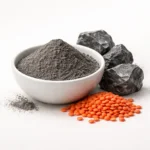
Iron is a metallic element with a silvery-gray appearance that occurs naturally in soils, plants and animals and is present in biological molecules such as hemoglobin and myoglobin. Iron salts such as ferrous sulfate are among the most common forms used in nutritional supplements. In foods and supplements iron appears as heme iron, non‑heme iron, inorganic salts and as organic complexes with peptides or amino acids, and these forms differ in solubility and bioavailability and influence absorption.
- Elemental iron (Fe): the basic metal form of the mineral
- Heme iron: iron bound within hemoglobin and myoglobin, relatively well absorbed
- Non‑heme iron: iron in plant foods and many supplements, less readily absorbed
- Iron salts (ferrous sulfate, ferrous gluconate, ferric citrate): soluble inorganic forms used in oral supplements
- Iron bound to polypeptides or amino acids: organic complexes designed to improve tolerability and absorption
Related Herbs

Properties & Effects
Iron is traditionally recognized for its involvement in blood health and multiple metabolic processes. It is commonly used to address low iron stores and related symptoms, though individual responses can vary.
- Oxygen transport: Plays a central role in supporting oxygen transport and healthy red blood cells.
- Energy metabolism: May support normal energy metabolism and help reduce physical and mental fatigue associated with low iron.
- Immune function: May support normal functioning of the immune system.
- Cognitive function: May support maintenance of normal cognitive processes and mental performance.
- Growth and cellular function: May support normal growth, development and cellular function including synthesis of certain hormones and connective tissue.
- Iron-deficiency anemia: May help prevent or address iron-deficiency anemia when used appropriately in people with low iron stores.
Dosage & How to Use
Recommended daily intakes vary by age and sex.
| Men and menopausal women | 9 mg/day |
|---|---|
| Non-menopausal women | 16 mg/day |
| Children (3–17 years) | 7–14 mg/day |
Safety, Side Effects & Contraindications
Iron supplements are intended for people with confirmed deficiency or an increased need and should be used with care; individual tolerance and needs vary. Common side effects at recommended doses are primarily gastrointestinal and may include nausea, vomiting, abdominal pain, constipation or diarrhea, and excessive intake may cause serious toxicity affecting the liver, kidneys and heart and in extreme cases lead to shock or coma.
People with certain medical conditions should avoid iron supplements or use them only under clinical supervision. The provided facts note specific digestive disorders and chronic alcohol use as situations where iron supplementation is generally not recommended; consult a healthcare professional for personalized guidance before starting iron therapy.
- Chronic alcoholism: iron supplements are not recommended for people with chronic alcohol use unless directed by a clinician
- Certain digestive diseases: not recommended for people with ulcerative colitis, Crohn’s disease or peptic ulcer
- Excess intake/Overdose: very large intakes can cause severe toxicity including liver and kidney damage, cardiovascular problems, shock or coma
- Medical supervision: supplements are intended for confirmed deficiency or higher risk and should be used under medical advice to avoid overdose
Not for routine use without confirmed deficiency; people with chronic alcohol use or digestive conditions such as ulcerative colitis, Crohn’s disease or peptic ulcer should avoid iron supplements unless directed by a healthcare professional—consult a clinician before use.