
Black Currant
Leaf extracts traditionally used to support joint comfort and urinary elimination.
Black Currant (Ribes nigrum) is a small, dense shrub in the Grossulariaceae family native to temperate regions of Eurasia. Growing 1–2 meters tall, it produces glossy black, edible berries; leaves, buds and fruits are used in traditional herbal preparations. Phytochemical constituents commonly reported include proanthocyanidins, flavonoids (for example kaempferol and quercetin derivatives) and vitamin C.
Leaves and extracts have been studied for anti-inflammatory activity, potential cartilage-supporting effects and diuretic properties, and the plant has a history of use for urinary elimination and joint discomfort. Effects and uses may vary between individuals; this profile does not make medical claims or guarantees. Not recommended during pregnancy or lactation, or for people taking diuretics or antihypertensive medication—seek professional guidance before use.
At a Glance
A compact Eurasian shrub valued for its glossy black berries and aromatic leaves, Black Currant (Ribes nigrum) is used both as food and in traditional herbal preparations.
Leaves and standardized extracts contain proanthocyanidins, flavonoids and vitamin C and have been investigated for anti-inflammatory, cartilage-supporting and diuretic effects. Uses and effects may vary between individuals; this profile does not make medical claims or guarantees.
| Common name |
|
|---|---|
| Scientific name | Ribes nigrum |
| Plant family | Grossulariaceae |
| Origin | Eurasia |
| Parts used | Leaves |
| Active compounds |
|
| Main benefits |
|
| Available forms |
|
Origin & History
Native to temperate regions of Europe and northern Asia, Black Currant (Ribes nigrum) typically grows as a compact shrub in fresh, deep, well-aerated clay soils and is often found near rivers and streams. Leaves, buds and berries have long been harvested for culinary uses and for traditional herbal preparations; aromatic buds are also used in gemmotherapy and aromatherapy.
In 1753 the abbot Bailly de Montaran published a treatise praising cassis as an elixir of life and extolling its medicinal virtues. Across European traditions the leaves and fruits were used to support urinary elimination, relieve joint discomfort, address gout symptoms, and to help with fever, colds and cough; leaf decoctions were applied topically to wounds. During the second world war, black currant juice was promoted for its vitamin C content and became widely consumed for that reason. Uses and effects vary between individuals and historical use does not imply modern-day medical effectiveness.
Composition & Active Compounds
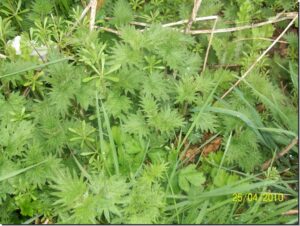
Black Currant is a compact shrub 1–2 meters tall with glossy black berries, aromatic buds and rounded leaves; it typically grows in fresh, deep, well-aerated soils often near rivers and streams. Its main chemical constituents reported in leaves and extracts are proanthocyanidins, flavonoids (including kaempferol and quercetin derivatives) and vitamin C, compounds studied for antioxidant and anti-inflammatory activity and commonly targeted in standardized preparations. Leaves are the part most commonly used in supplements and are rich in proanthocyanidins.
- Proanthocyanidins: condensed tannins reported to exert anti-inflammatory actions, inhibit enzymes linked to cartilage breakdown and scavenge free radicals.
- Flavonoids: kaempferol and quercetin derivatives contributing antioxidant and modulatory effects on inflammatory pathways.
- Vitamin C: water-soluble antioxidant present in leaves (about 137 mg per 100 g fresh leaf) supporting overall phytochemical activity.
Properties & Effects
Black Currant has traditionally been used to support urinary elimination and to relieve joint discomfort, with leaves and extracts commonly employed in herbal preparations for these purposes. Historical and clinical sources have focused on its use for inflammatory symptoms, joint support and as a diuretic, although individual responses vary.
Research has most consistently examined anti-inflammatory effects of black currant leaf extracts.
- Anti-inflammatory: may support reduction of inflammatory discomfort in joints and soft tissues.
- Cartilage protection: may support maintenance of joint structure and flexibility.
- Diuretic: may support increased urinary elimination.
- Antioxidant: may support reduction of oxidative stress.
Dosage & How to Use
Dosage guidance below is derived from available traditional and clinical sources.
| Treatment of joint pain |
|
|---|
Safety, Side Effects & Contraindications
Black Currant leaf and extracts are generally described as having low toxicity at therapeutic doses, but certain groups should avoid or limit use. The leaf is specifically contraindicated in cases of edema linked to heart or kidney failure, and the plant is not recommended during pregnancy or lactation; concurrent use with diuretic or antihypertensive medications is also discouraged.
Known adverse effects at recommended doses are uncommon, though individual responses vary and some people may experience unwanted reactions. Interactions with diuretics and blood-pressure medicines are noted in sources, and because black currant may influence urinary elimination and fluid balance, caution is advised; discontinue use and seek professional guidance if adverse effects occur.
- Edema with heart or renal failure: contraindicated in cases of edema associated with cardiac or renal insufficiency.
- Pregnancy and lactation: not recommended for pregnant or breastfeeding women.
- Concurrent diuretics or antihypertensives: not recommended for people taking diuretic or blood-pressure medications due to potential interactions.
Not recommended for people with edema related to heart or kidney failure, during pregnancy or lactation, or for those taking diuretics or antihypertensive drugs; consult a healthcare professional before use.