
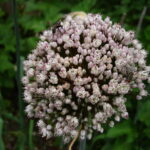
Garlic
Supports cardiovascular health and healthy cholesterol levels.
Garlic (Allium sativum) is a bulbous plant native to Central Asia, widely used as both a culinary ingredient and a traditional remedy. Rich in sulfur compounds such as allicin, garlic has been studied for potential cardiovascular effects (including reductions in blood pressure and serum cholesterol), antimicrobial and antifungal activity, antioxidant properties, and supportive actions in respiratory infections; findings vary across studies and effects may differ between individuals.
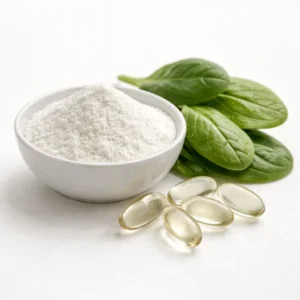
The bulb is the primary part used, available fresh or as powdered extracts, standardized capsules, oils and topical preparations. Reported dosing ranges include about 0.4–1.2 g/day of dried garlic powder for long-term cardiovascular risk management and 2–4 g/day during acute infectious episodes, though responses depend on formulation and individual factors. Common adverse effects include gastrointestinal upset and strong odor; contraindications include allergy to related Liliaceae species and caution is advised during breastfeeding or if gastrointestinal irritation occurs. Uses summarized here reflect research and traditional practice and may not apply uniformly to every person.
At a Glance
A pungent bulb widely cultivated for culinary and traditional medicinal use, garlic produces sulfur-rich compounds when the bulb is crushed or chopped. Allicin and related sulfur constituents are associated in research with cardiovascular support, antimicrobial and antioxidant activity, though individual responses vary.
| Common name |
|
|---|---|
| Scientific name |
|
| Plant family | Liliaceae |
| Origin | Central Asia |
| Parts used |
|
| Active compounds |
|
| Main benefits |
|
| Available forms |
|
Origin & History
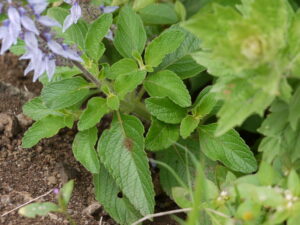
Garlic is native to Central Asia and historically occurred wild across a broad region from China and India through parts of the Middle East and into areas such as Egypt and Ukraine. The cultivated species (Allium sativum) is now grown worldwide, while wild garlic (Allium ursinum) grows in shaded woodlands and prefers deep, moist soils.
Greek athletes consumed garlic to boost endurance during the early Olympic Games. References to garlic appear in ancient sources from the Avesta to Egyptian and Sumerian records; traditional systems such as Chinese, Indian and Islamic medicine have recommended it for respiratory, antiparasitic and other uses, and folk practices include examples like French grave diggers using crushed garlic in wine for protection during plague outbreaks and soldiers applying garlic as an antiseptic during the world wars.
Composition & Active Compounds
Garlic bulbs are composed of multiple cloves within a papery-skinned head; cultivated Allium sativum bulbs are round with 5–15 cloves, while wild garlic (Allium ursinum) includes broad leaves and an edible whole plant. Chemically, fresh garlic contains sulfur-containing precursors such as alliin that are converted by the enzyme alliinase into allicin when the tissue is crushed; allicin is unstable and is transformed into secondary sulfur derivatives including ajoenes and allyl sulfides, which are the primary focus of phytochemical research and supplement standardization. Allicin is the key bioactive formed when the bulb is crushed and is central to many studied effects.
- Alliin: sulfur-containing precursor present in intact garlic
- Allicin: unstable compound formed from alliin on crushing
- Ajoene: secondary sulfur derivative formed from allicin
- Allyl sulfides: di- and trisulfide derivatives arising from allicin breakdown
Properties & Effects
Garlic is traditionally used as both a food and a remedy, commonly employed for infections and to support circulation and general well-being. Research and traditional use most consistently link garlic with support for cardiovascular health, including effects on blood pressure and blood lipids.
- Cardiovascular support: research suggests garlic may support cardiovascular health by helping reduce common risk factors.
- Cholesterol reduction: studies indicate garlic may help lower elevated serum cholesterol with long-term use.
- Blood pressure reduction: evidence suggests garlic may reduce high blood pressure in people with hypertension.
- Circulation: garlic may support healthy blood flow and circulation.
- Antioxidant activity: garlic may provide antioxidant effects that help protect cells from oxidative stress.
- Antimicrobial activity: garlic has been used traditionally and studied for activity against various bacteria.
- Antifungal activity: research shows garlic may act against a range of fungal species.
- Antiparasitic activity: garlic has traditional and research support for activity against certain intestinal parasites.
- Antiviral activity: limited studies suggest garlic may have activity against some viruses.
- Respiratory support: garlic is traditionally used for respiratory infections and may help reduce the frequency or duration of colds and support expectoration or cough relief.
Dosage & How to Use
Recommended amounts vary by purpose; follow product labeling or professional guidance.
| Reduction of cardiovascular risk factors |
|
|---|---|
| Infections (respiratory or microbial) |
|
Safety, Side Effects & Contraindications
Some people should avoid or use garlic cautiously: those with allergies to related Liliaceae species, breastfeeding mothers because garlic can alter the taste of breast milk and may provoke infant colic, and anyone with pre-existing stomach or intestinal irritation. Higher doses (more than 4 g/day) have been associated with mild gastrointestinal complaints such as heartburn, nausea, vomiting and diarrhea, and individual tolerance varies.
Garlic has been shown to affect platelet aggregation and fibrinolytic activity, so caution is advised for people taking anticoagulant or antiplatelet medications or those planning surgery; consult a healthcare professional. Some studies also indicate garlic can act alongside certain antibiotics to increase bacterial sensitivity, which underscores the importance of discussing combined use with a clinician; responses and interactions may differ between individuals.
- Allergy to related plants: avoid if allergic to onions, shallots or other Liliaceae species.
- Breastfeeding: can alter breast milk taste and may cause infant colic.
- Gastrointestinal irritation: large doses (>4 g/day) may cause stomach upset; use caution with existing GI irritation.
Avoid if allergic to onions or related plants; garlic can alter breast milk and may provoke infant colic, irritate the stomach at high doses, and affect blood clotting—consult a healthcare professional before use, especially if breastfeeding, taking anticoagulants, or managing gastrointestinal issues.