
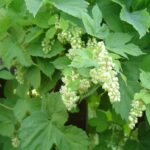
Hops
A calming botanical used to support sleep and ease nervous tension.
Hops (Humulus lupulus) is a perennial climbing plant whose dried female inflorescences—rich in lupulin—are used in phytotherapy. Best known for its role in brewing, hops have a long tradition of use for their sedative and anxiolytic properties and are commonly employed to address sleep disturbances, loss of appetite and certain functional digestive complaints.
The principal constituents include flavonoids, oleoresins (lupulones and humulones) and an essential oil; common formats are powder, tincture, fluid extract and dry extract. Uses and effects may vary by individual; hop preparations can cause drowsiness and have specific contraindications (for example during pregnancy or breastfeeding, in children under 12 and in people with a personal or family history of certain hormone‑sensitive cancers), so consultation with a healthcare professional is advisable before use.
At a Glance
A climbing perennial from the temperate Northern Hemisphere, hops is harvested for its dried female flowers (inflorescences) that contain resinous lupulin and aromatic oils. Hops preparations are used in herbal practice for their sedative and anxiolytic properties and are commonly employed to support sleep and to address certain functional digestive complaints. Preparations and effects vary by individual and specific safety considerations apply.
| Common name |
|
|---|---|
| Scientific name | Humulus lupulus |
| Plant family | Cannabaceae |
| Origin |
|
| Parts used | Inflorescences |
| Active compounds |
|
| Main benefits |
|
| Available forms |
|
Origin & History
Hops is a perennial climbing plant native to the temperate regions of the Northern Hemisphere, including Europe, Asia and North America. It grows as a vigorous twining vine that favours rich, well‑drained soils and is commonly cultivated on trellises; the female flowers are harvested in late summer to early autumn for use.
Hops has a long cultural role in Europe both as a primary flavouring and bittering agent for beer and as a traditional herbal remedy for restlessness and sleep-related complaints. Medieval and later herbal traditions also used hops for appetite stimulation, digestive complaints and as a mild sedative; because of high demand it is now grown widely beyond its original range.
Composition & Active Compounds
Hops produces large, dark green, heart‑shaped leaves and vigorous twining stems; the plant bears distinct male and female flowers, with only the dried female inflorescences (cones) used in herbal preparations. These cones contain lupulin, a resinous material and a complex mix of flavonoids, oleoresins, essential oils and phytoestrogens that are responsible for the plant’s characteristic bitterness, aroma and reported pharmacological activities.
The lupulin‑rich dried female inflorescences are the primary part used in supplements and concentrate the main active compounds.
- Lupulin: resinous material in the female flowers that concentrates bitter resins and oils
- Flavonoids: include rutoside, quercitrin and astragaloside; contribute to antioxidant and bioactive profiles
- Oleoresins (lupulones, humulones): bitter resins considered central to hops’ bioactivity
- Essential oil (beta-myrcene, humulene): aromatic constituents that contribute to scent and volatile effects
- Phytoestrogens (8-prenylnaringenin): prenylated flavonoid with notable estrogen‑like activity

Properties & Effects
Hops is traditionally valued as a calming herbal remedy and is commonly used to support sleep and to address certain functional digestive issues. The sedative and anxiolytic properties are the most well‑documented traditional uses of hops.
- Sedative and anxiolytic: Hops may help reduce nervousness, tension and mild anxiety.
- Sleep support: Hops may promote sleep and help with occasional insomnia or difficulty falling asleep.
- Digestive and appetite support: Hops has traditionally been used to ease functional digestive complaints and to stimulate appetite.
- Menopausal symptom support: Some traditional and preliminary uses suggest hops may help relieve certain menopausal complaints.
Dosage & How to Use
Dosage depends on the intended use and the specific preparation.
| Nervous tension and restlessness |
|
|---|---|
| Sleep disturbances |
|
Safety, Side Effects & Contraindications
Hops should be avoided by pregnant or breastfeeding people, by children under twelve, and by individuals with a personal history of breast or cervical cancer or a family predisposition to these conditions, according to the provided guidance. Because hops contains phytoestrogens and can cause sedation, consult a healthcare professional before use if there are concerns related to hormone‑sensitive conditions or concurrent treatments.
Known adverse effects include drowsiness and a lowered level of alertness, and some individuals may experience allergic reactions. Excessive consumption has been associated with effects such as dizziness, jaundice and erectile dysfunction in reports; discontinue use and seek medical advice if concerning symptoms occur. No specific medication interactions are listed in the provided facts, but caution is advised when combining hops with other agents that cause sedation or when managing hormone‑related health issues.
- Pregnancy and breastfeeding: contraindicated
- Children: not for use in children under 12
- Hormone-sensitive cancers: contraindicated for people with a personal or family history of breast or cervical cancer
- Allergy: some people may be allergic; stop use if an allergic reaction occurs
- Excessive consumption: avoid large amounts due to possible adverse effects such as dizziness, jaundice or sexual dysfunction
Avoid use during pregnancy or breastfeeding and in children under 12; people with a personal or family history of hormone-sensitive cancers should consult a healthcare professional before using hops.